
Can the immediate postpartum period act as a clinical reset button for a woman’s cardiovascular future? While medicine has long focused on the acute dangers of gestational hypertension during pregnancy, new research suggests that the window of time immediately following childbirth is not merely a recovery phase, but a critical juncture for long-term heart health intervention.
High blood pressure, encompassing both gestational hypertension and pre-eclampsia, affects 5-10% of pregnant women. These conditions are not just transient complications; they are significant markers of future risk. Research from Harvard has previously established a sobering connection, linking high blood pressure during pregnancy to a 42% rise in the risk of premature death. Given that these women are twice as likely to develop heart disease later in life, finding actionable ways to mitigate this risk has become a priority for cardiovascular researchers.
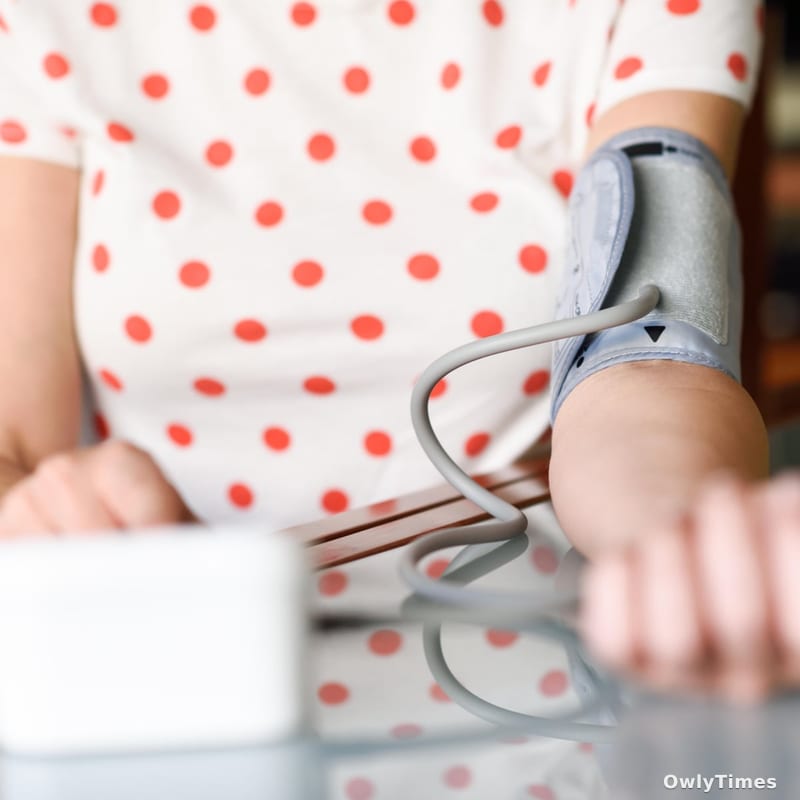
A study led by Paul Leeson, a professor of cardiovascular medicine at the University of Oxford, sought to determine if shifting from routine clinical follow-ups to a more intensive, home-based monitoring model could improve vascular outcomes. The team recruited 220 women who had developed hypertension during their pregnancies. Participants were split into two groups: 108 women received standard care, where medication dosage was adjusted based on infrequent blood pressure checks during the eight weeks following birth. The remaining 112 women utilized a daily home-monitoring protocol, transmitting their blood pressure readings via an app to their clinical team, who adjusted their medications on a daily basis as needed.
It is vital to distinguish the study's primary findings from generalized health advice. The researchers did not simply find that "monitoring is good"; they identified a specific physiological change in the arterial walls. When the medication was adjusted to account for real-time blood pressure fluctuations, the women exhibited less arterial stiffness when measured six to nine months later. Oxford researchers estimate this specific physiological improvement could reduce the future risk of heart attack or stroke by 10%.
However, there are important limitations to consider when interpreting these results. While the reduction in arterial stiffness is a strong clinical indicator of improved vascular health, this study focused on a cohort that was already under medical supervision and actively transitioning off medication. The findings suggest that the method of titration—daily adjustments versus sporadic checks—is what drives the improvement, but the study does not yet prove that this intervention eliminates the long-term risks associated with pregnancy-induced hypertension entirely. It remains a targeted strategy to improve vascular resilience, rather than a universal cure for all pregnancy-related cardiovascular risks.
Dr. Sonya Babu-Narayan, clinical director at the British Heart Foundation, which funded the work, noted that these results highlight a "crucial window" for intervention. The success of this approach hinges on the integration of home data into the clinical workflow, a logistical challenge that remains the focus of current efforts. Trials are now underway to determine the most effective ways to scale this model, with some proposals suggesting the use of specialist NHS clinics to manage the delivery of this care.
The next stage of research will be defined by larger, long-term follow-up studies. As these trials progress, the measurable signal to watch will be the adoption rates of these specialized monitoring protocols within national healthcare frameworks. Establishing whether this shift in postpartum care can reliably translate into a measurable decrease in heart attacks and strokes will determine if this "overlooked opportunity" becomes a standard pillar of women's cardiovascular health strategy.





