
A Call for Routine Mental Health Checks in Football Management
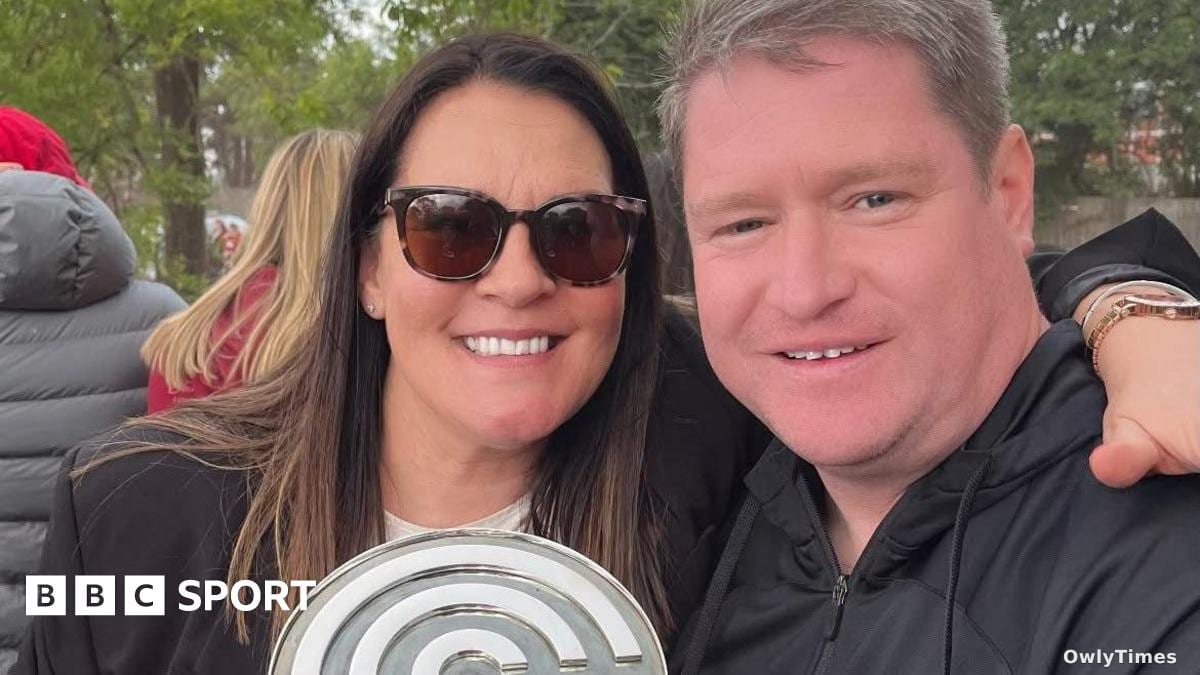
The sudden death of football manager Matt Beard at the age of 47, following a successful career that included two Women's Super League titles with Liverpool, has sent shockwaves through the sport. While tributes have poured in, remembering him as a "cheeky chappy" and the "Del Boy of football," his widow, Debbie Beard, is using her profound grief to advocate for a systemic change: the introduction of regular, mandatory mental health checks for football managers. This plea stems from the devastating personal experience of losing a husband and father, highlighting a critical gap in the support structures for those under immense pressure in professional sports.
Beyond the Smile: Unpacking the Managerial Toll
Debbie Beard paints a poignant picture of her husband's final day, describing it as "just normal." This stark contrast between outward appearance and internal struggle underscores the hidden burden many managers carry. Matt Beard, a father to Harry, Ellie, and stepson Scott, had experienced emotional difficulties before, notably after the death of his own father in 2022. However, Debbie notes that he would continue to work and "behave as normal," a common trait that makes identifying distress incredibly difficult. She emphasizes, "I just wish he had said 'I'm struggling'," a sentiment that lies at the heart of her advocacy. The impact of his death, she states, is something she would not wish on her "worst enemy," driving her urgent call for action.
What the Headlines Miss: The Pressure Cooker of Management
While the world of football mourns a beloved figure, the narrative often focuses on his professional achievements and charismatic personality. However, the reality for managers like Matt Beard involves a relentless cycle of high-stakes pressure, as Debbie Beard explains. She points out that the emotional toll of delivering difficult news to players, facing negative social media commentary, and navigating club politics can be overwhelming. For instance, Matt found breaking bad news to players about their future plans particularly challenging, often bearing the brunt of player and fan disappointment. This emotional burden, coupled with the competitive environment where spare time is scarce, means managers may not prioritize their own well-being, making it difficult for them to self-identify and seek help.
The Burnley Chapter and the Unfolding Inquest
The period leading up to Matt Beard's death also involved a tumultuous departure from Burnley Football Club, where he had been appointed manager in the summer. Debbie Beard alleges that Burnley "bullied" her husband, and that being placed on gardening leave for three months, unable to work or communicate with other clubs, significantly contributed to a deterioration in his mental state. This situation was compounded by financial worries, with Debbie working "three jobs just to get us through." The inability for Matt to say goodbye to his players or explain his departure, Debbie believes, had a "huge impact on him," leaving him feeling like a "failure." Burnley has declined to comment on the nature of his departure due to an "ongoing legal process," and a pre-inquest review hearing was adjourned indefinitely.
Limitations to Consider and Future Directions
The League Managers' Association (LMA) does offer support initiatives, including confidential counselling and mental health education workshops. They acknowledge the "need for continued education in spotting the signs and symptoms of those who are struggling" and the inherent stress, anxiety, and burnout associated with the profession. However, Debbie Beard's central argument is that the onus should not solely rest on managers to ask for help. Her vision includes "proper mental health checks for managers" as a mandatory part of regular monitoring, with a designated "safe space" for them to talk. The current emphasis on physical strength and conditioning in football, she suggests, is not mirrored by equivalent proactive mental health support.
The next crucial step in this ongoing dialogue will be the conclusion of the inquest into Matt Beard's death. However, the immediate path forward for the sport, as championed by Debbie Beard, lies in fostering a culture where proactive mental health support is not an option, but a standard provision. The LMA's commitment to working "with the game and its stakeholders to address mental health in a more unified and collaborative way" will be critical in determining whether football can implement the systemic changes necessary to prevent further tragedies. The memory of Matt Beard, a talented manager and loving father, serves as a powerful impetus for this vital evolution within the sport.





