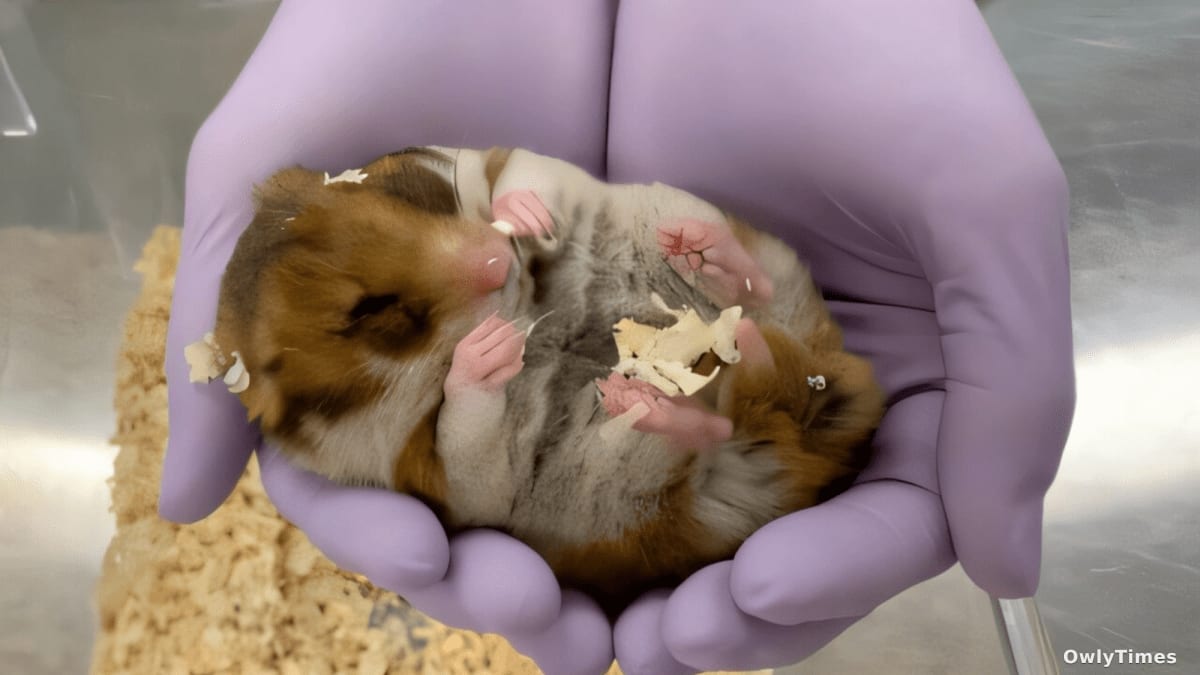

The recent deep freeze across the northeastern United States naturally prompts a wistful thought: what if we could simply sleep through the winter? While humans lack the biological toolkit for true hibernation, a new study published in The FASEB Journal offers a compelling glimpse into how hibernating animals manage this feat, and it’s not simply about enduring muscle damage. The research, led by Mitsunori Miyazaki at Hiroshima University in Japan, reveals a surprisingly active process of controlled cellular dormancy, a finding that could have implications far beyond the animal kingdom, potentially impacting fields from geriatric care to space exploration. The initial excitement surrounding the study – often framed as “unlocking the secrets of hibernation” – needs careful parsing; the research doesn’t offer a pathway to inducing hibernation in humans, but rather illuminates the intricate mechanisms that allow certain species to survive prolonged periods of inactivity and extreme cold without debilitating muscle loss.
The Cellular Slowdown: More Than Just Survival
For decades, the prevailing assumption was that hibernating animals passively withstand the physiological stresses of winter, accepting some degree of muscle damage as an unavoidable consequence. However, Miyazaki and his team discovered a far more nuanced process within the muscle stem cells of hibernating Syrian hamsters. These cells, responsible for muscle repair and maintenance, don’t simply shut down or degrade in response to low temperatures. Instead, they enter a state of suspended animation, dramatically reducing their activity while remaining viable. As Miyazaki explained to Popular Science, the cells don’t die; they become inactive, poised to resume their function once temperatures rise. This isn’t merely a passive survival tactic, but an active suppression of muscle repair, a controlled and reversible process that conserves energy and protects valuable muscle stem cells. The team observed this dynamic by monitoring cellular activity during induced hypothermia, effectively mimicking the conditions experienced by hibernating animals.
Implications for Muscle Loss in Humans
The significance of this finding lies in its potential relevance to a range of human conditions characterized by muscle wasting. Muscle loss, or sarcopenia, is a major concern for aging populations, affecting an estimated 30% of individuals over 60, and contributing to frailty, falls, and reduced quality of life. Prolonged bed rest, often necessary after surgery or during critical illness, also leads to rapid muscle deterioration. Even medical hypothermia, a therapeutic technique used to reduce brain damage after cardiac arrest or stroke, carries the risk of muscle loss. The hamster study suggests that understanding how hibernating animals temporarily “pause” muscle repair could offer strategies to mitigate these effects. If researchers can identify the molecular pathways responsible for this controlled dormancy, it might be possible to develop therapies that temporarily suppress muscle breakdown in humans facing similar challenges. This isn’t about stopping muscle use entirely, but about strategically reducing the demand for repair during periods of inactivity or stress.
This piece references the popsci.com report.
Limitations to Consider: Hamsters Aren’t Humans
While the findings are promising, it’s crucial to acknowledge the limitations of the study. The research was conducted on Syrian hamsters, a species known for its robust hibernation capabilities. Extrapolating these results directly to humans requires caution. Human physiology is far more complex, and the molecular mechanisms governing muscle stem cell behavior may differ significantly. Furthermore, the study focused on a single aspect of hibernation – muscle stem cell activity – and didn’t address the broader systemic changes that occur during prolonged dormancy, such as alterations in metabolism, immune function, and cardiovascular regulation. The induced hypothermia used in the experiment, while mimicking some aspects of natural hibernation, isn’t a perfect analogue. The speed and depth of cooling, as well as the absence of the animal’s own physiological preparation for hibernation, could influence the observed cellular responses.
The Next Steps: From Cellular Mechanisms to Therapeutic Targets
The immediate next step for Miyazaki’s team is to identify the specific molecular signals that trigger and maintain this state of cellular dormancy in hibernating animals. They are currently investigating the role of various signaling pathways and gene expression patterns involved in regulating muscle stem cell activity during hypothermia. A key question is whether these pathways are conserved in humans, and if so, whether they can be manipulated pharmacologically. Beyond the laboratory, researchers are also exploring the potential of using biomarkers to identify individuals at high risk of muscle loss during periods of inactivity, allowing for targeted interventions. The ultimate goal isn’t to enable humans to hibernate, but to leverage the remarkable adaptations of hibernating animals to develop strategies for preserving muscle health and function in a variety of clinical settings. Will we see a “hibernation pill” for bedridden patients anytime soon? Probably not. But the ongoing investigation into the cellular secrets of dormancy offers a tangible hope for mitigating the debilitating effects of muscle loss and improving the quality of life for millions.