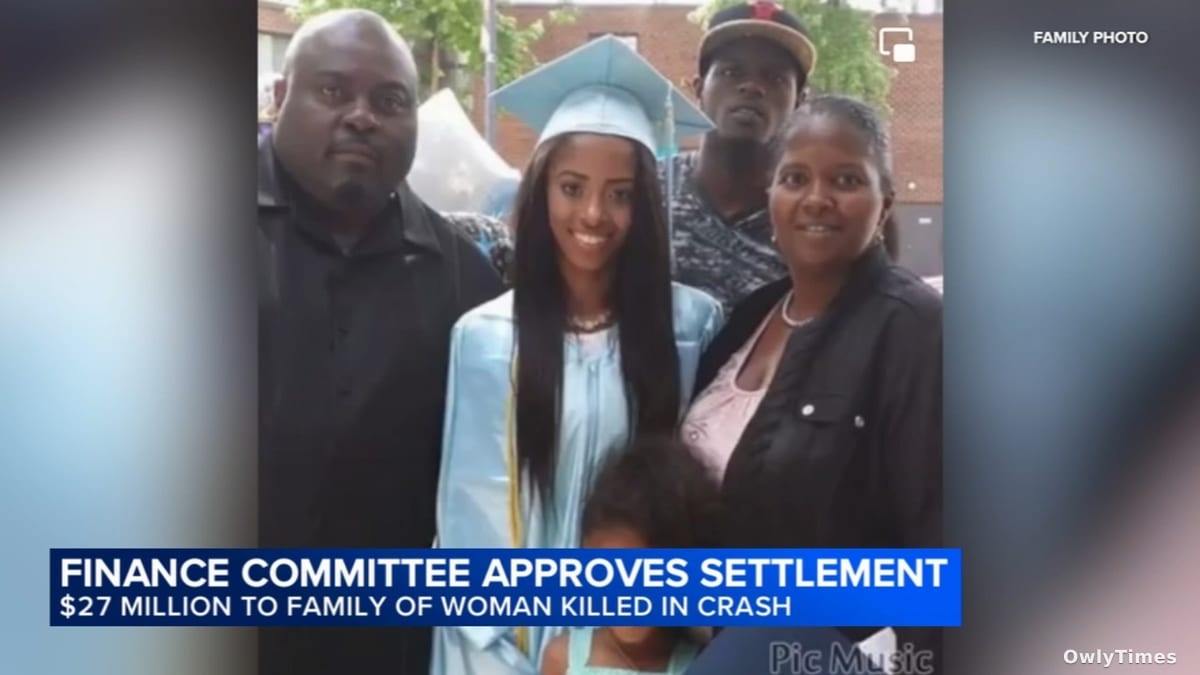

$27 million. That’s the proposed cost to the City of Chicago to settle a lawsuit stemming from a 2017 police pursuit that resulted in the death of Stacy Vaughn-Harrell, a figure that underscores a rapidly escalating trend in municipal liability and raises critical questions about the city’s risk management strategy. While the emotional weight of the case, highlighted by the tearful testimony of Kimberlyn Myers, the surviving daughter, is undeniable, the financial implications are far more telling – and potentially predictive of future budgetary pressures. This isn’t simply about one tragic incident; it’s about a quantifiable shift in how Chicago is valuing life and responding to claims of police misconduct.
The Calculus of Risk: From $10 Million to Potential Nine-Figure Liability
The city’s willingness to consider a $27 million settlement represents a 170% increase over the initial $10 million awarded to the Vaughn-Harrell family in a previous trial. This jump isn’t driven by a change in the fundamental facts of the case, but by the looming threat of a second trial where the potential award could exceed $100 million. “Follow the money” here reveals a clear calculation: the city is attempting to cap its exposure, even at a substantial cost, rather than gamble on a jury potentially delivering a far larger judgment. This strategy, while seemingly prudent, sets a precedent. Each subsequent case involving police action and resulting injury will now be viewed through the lens of this escalating settlement scale.
This piece references the abc7chicago.com report.
The core of the lawsuit centers on allegations that Chicago police pursued a white Kia SUV – initially flagged for a shots-fired report – without activating sirens, leading to a collision with the Vaughn-Harrell vehicle. Attorneys for the family presented police body camera footage supporting this claim, a crucial piece of evidence that likely influenced the Finance Committee’s recommendation. The lack of comment from the city’s attorneys following their testimony speaks volumes; their silence suggests a limited defense against the presented evidence and a recognition of the potential for a damaging outcome at trial. The fact that a new trial was granted based on “new evidence” presented by the city itself further complicates the narrative, suggesting an internal reassessment of the initial investigation and a potential admission of procedural flaws.
Aldermanic Skepticism and the Growing Burden on City Finances
The $27 million figure isn’t universally accepted within the City Council. Alderman Nick Sposato, representing the 38th Ward, voiced concerns about the escalating costs, labeling them “out of control.” His skepticism isn’t isolated. It reflects a growing anxiety among aldermen about the city’s ability to manage its legal liabilities, particularly in cases involving the police department. Chicago’s financial situation is already strained, with significant budget deficits projected in the coming years. A series of large settlements, like this one, will inevitably divert funds from essential city services – schools, infrastructure, public safety – creating a difficult trade-off for policymakers. Sposato’s call for more careful review of cases before recommending settlements is a direct challenge to the current approach, suggesting a desire for greater fiscal discipline.
Beyond the Harrell Case: A Pattern of Rising Costs
This case isn’t an anomaly. Over the past decade, Chicago has faced a series of high-profile lawsuits alleging police misconduct, resulting in settlements and judgments totaling hundreds of millions of dollars. The Laquan McDonald shooting, for example, led to a $5 million settlement, but the broader fallout – including criminal charges against the officer involved and a Department of Justice investigation – cost the city far more in terms of legal fees, reputational damage, and policy changes. The Vaughn-Harrell case, while smaller in absolute terms, fits into this pattern of escalating costs and highlights the systemic risks associated with police conduct and the city’s legal response. The $27 million proposed settlement is 2.7 times the initial award, a multiplier that should concern taxpayers and city officials alike.
What this means for your wallet
The approval of this settlement by the full City Council next week is almost certain, but the long-term consequences are far from resolved. Chicago residents should anticipate increased scrutiny of the city’s budget and potential cuts to services to offset these growing legal expenses. More importantly, watch for a shift in the city’s approach to police pursuits and use-of-force policies. Will the city prioritize de-escalation tactics and stricter oversight to mitigate future risks? Or will it continue to rely on costly settlements as a reactive measure? The answer to that question will determine whether this $27 million payment is a one-time expense or the first installment in a much larger bill.