
The Equal Time Rule as a Weapon in the Culture War
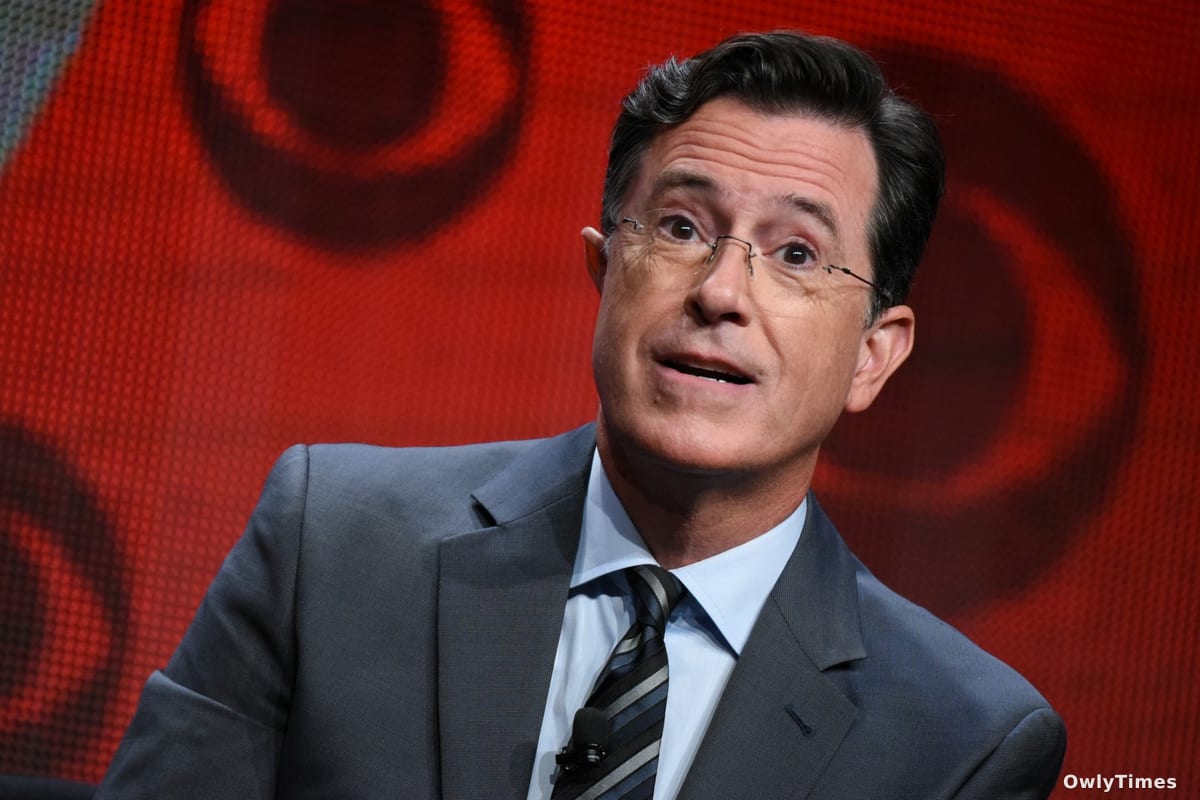
The escalating dispute over Stephen Colbert’s interview with Texas Senate candidate James Talarico isn’t about broadcast fairness; it’s a calculated escalation in the ongoing battle over media narratives and the perceived weaponization of procedural rules. Byron Donalds’ forceful condemnation, appearing on The Evening Edit, isn’t a principled defense of the Equal Time Rule, but a strategic maneuver to highlight perceived hypocrisy and undermine the credibility of a prominent voice critical of the right. The core calculus here isn’t legal, it’s political: to frame the left as consistently attempting to circumvent rules when convenient, and then deflect blame onto Donald Trump when challenged. This tactic isn’t new, but its deployment in this instance reveals a growing willingness to exploit even obscure regulations for partisan advantage.
Donalds’ pointed accusation – “This is Stephen Colbert trying to put his thumb on a scale for his preferred candidate. And once again, his credibility is shot” – cuts to the heart of the matter. The issue isn’t necessarily that the interview violated the Equal Time Rule (though that’s the claim), but that it appeared to do so, and the subsequent attempt to attribute the resulting fallout to the former president. The fact that the interview ultimately aired on YouTube, circumventing traditional broadcast channels, further complicates the narrative. This detail is crucial: it suggests a deliberate attempt to engage in partisan messaging while minimizing the risk of direct FCC scrutiny, and then leveraging any negative consequences as evidence of a broader conspiracy. The timing, with the Texas primaries approaching, is also significant. A late-stage endorsement, even through a YouTube interview, can provide a crucial boost to a candidate’s visibility.
Drawn from Florida Politics.
The Irony of Allies and Adversaries
The most telling aspect of Donalds’ commentary is his acknowledgement of the irony inherent in defending a candidate competing against Jasmine Crockett, a frequent target of Republican criticism. “I’ve never been somebody taking up a cause for Jasmine Crockett, not something I’m totally interested in doing, but you gotta follow the law,” he stated. This admission reveals the strategic prioritization of principle – or, more accurately, the appearance of principle – over partisan loyalty. Donalds is willing to align with a political opponent to underscore a perceived legal infraction by the left, demonstrating a willingness to exploit internal Democratic divisions. This is a classic tactic of asymmetrical warfare: using an opponent’s own vulnerabilities against them, even if it means temporarily supporting a rival. The $2.4 billion spent on political advertising in the 2020 election cycle demonstrates the willingness of both parties to invest heavily in shaping public perception, and this dispute is simply a lower-cost extension of that same strategy.
The attempt to blame Donald Trump for CBS’s decision not to broadcast the interview – “If things aren’t going your way, try to blame Donald Trump and hopefully everybody tries to give you a pass” – is a particularly revealing move. It’s a direct echo of the criticisms leveled against the right for consistently invoking Trump as a scapegoat for unfavorable outcomes. By highlighting this perceived hypocrisy, Donalds aims to neutralize the left’s ability to criticize similar tactics in the future. This mirrors historical precedents, such as the “October Surprise” accusations that plagued both the Carter and Reagan campaigns, where attempts to influence elections through last-minute revelations were met with accusations of manipulation and conspiracy. The underlying principle remains constant: control the narrative, and control the outcome.
Beyond Equal Time: The Erosion of Broadcast Standards
The broader implication of this dispute extends beyond the specifics of the Equal Time Rule. It underscores a growing trend of media fragmentation and the erosion of traditional broadcast standards. The rise of digital platforms like YouTube allows candidates and commentators to bypass traditional gatekeepers, creating echo chambers and exacerbating political polarization. The FCC’s authority, already diminished by the proliferation of online content, is further challenged by these developments. The $70.9 billion in revenue generated by digital advertising in 2023, compared to $21.6 billion for broadcast television, illustrates the shifting power dynamics in the media landscape. This isn’t simply about one interview; it’s about the future of political communication and the ability to regulate it effectively.
The political chess move to watch next is whether the FCC will formally investigate Colbert’s interview, and if so, how aggressively. A full-scale investigation would likely be framed by Republicans as vindication of their concerns about media bias, while Democrats would likely portray it as a politically motivated attack on free speech. Regardless of the outcome, the dispute has already served its primary purpose: to further entrench partisan divisions and weaponize procedural rules in the ongoing culture war. The question isn’t whether the Equal Time Rule was violated, but whether it can survive as a meaningful standard in an increasingly fragmented media environment.





