
The Calculus of Censorship: Paramount’s $108 Billion Gamble
The Senate Democrats’ investigation into the blocked Stephen Colbert interview isn’t about a late-night monologue; it’s about the price of regulatory approval in the age of concentrated media ownership. Senator Richard Blumenthal’s inquiry, launched on the heels of the controversy surrounding James Talarico’s interview, isn’t a defense of comedic free speech, but a strategic probe into whether Paramount Global, under the leadership of David Ellison, attempted to curry favor with the Trump administration by preemptively censoring potentially unfavorable political coverage. The timing – coinciding with Paramount’s $108 billion bid to acquire Warner Brothers Discovery – reveals the core calculation: access to a massive media empire hinges on demonstrating political compliance.
Original reporting: The Guardian.
The immediate fallout centers on the FCC’s potential overreach. Brendan Carr, the pro-Trump FCC chairperson, is accused of weaponizing the “equal-time rule” – traditionally applied to news programming – against late-night talk shows. While seemingly a technical legal matter, the reinterpretation, issued in January, dramatically alters the landscape for political satire. This isn’t about fairness; it’s about creating a chilling effect, forcing networks to self-censor to avoid a deluge of demands from opposing candidates. The fact that CBS initially framed its actions as merely “legal advice” based on this new guidance underscores the pressure it faced. Who benefits and who loses here is stark: the Republican party gains a shield against critical commentary, while Democratic candidates face restricted access, and the public loses a vital avenue for political discourse.
This situation echoes historical precedents of media consolidation and political influence. The early 20th century saw newspaper chains aligning with political machines, offering favorable coverage in exchange for lucrative government contracts and regulatory leniency. The Communications Act of 1934, establishing the FCC, was intended to prevent such blatant quid pro quo arrangements. However, the current case demonstrates that the threat isn’t direct bribery, but a more subtle form of coercion: the implicit understanding that regulatory approval – in this case, for the Warner Brothers Discovery merger – depends on demonstrating a willingness to accommodate the administration’s political preferences. The scale of the Paramount-Warner merger – a deal that would reshape the entertainment landscape – amplifies the stakes exponentially.
The appointment of Bari Weiss as a top editor at CBS News further complicates the narrative. Weiss, a prominent right-wing commentator, has already sparked controversy with decisions like pulling a 60 Minutes segment critical of the Trump administration’s immigration policies. This isn’t simply about ideological diversity; it’s about a deliberate shift in editorial direction, signaling to Washington that Paramount is willing to prioritize political considerations over journalistic integrity. Ellison’s lineage – as the son of Larry Ellison, a close friend and advisor to Trump – adds another layer of scrutiny, raising questions about the extent to which personal relationships are influencing corporate decision-making. The 10 million views garnered by the Talarico interview on YouTube, after being blocked by CBS, is a potent symbol of the public’s appetite for uncensored political content.
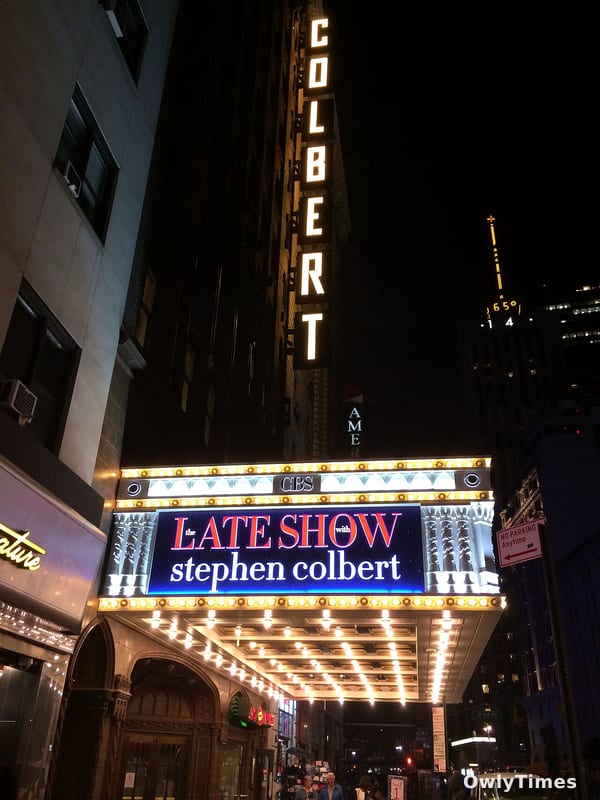
The impending departure of Stephen Colbert from the Late Show on May 21st, announced in July, adds a final, unsettling note. While CBS cites declining viewership as the reason, the timing – following months of censorship controversies – fuels accusations of politically motivated decision-making. The political chess move to watch next isn’t whether Blumenthal’s investigation uncovers direct evidence of collusion (though that’s certainly a possibility). It’s whether the Department of Justice, under a new administration, will scrutinize the FCC’s reinterpretation of the equal-time rule and the potential anti-competitive implications of the Paramount-Warner merger. The fate of the merger, and the future of media independence, hangs in the balance.