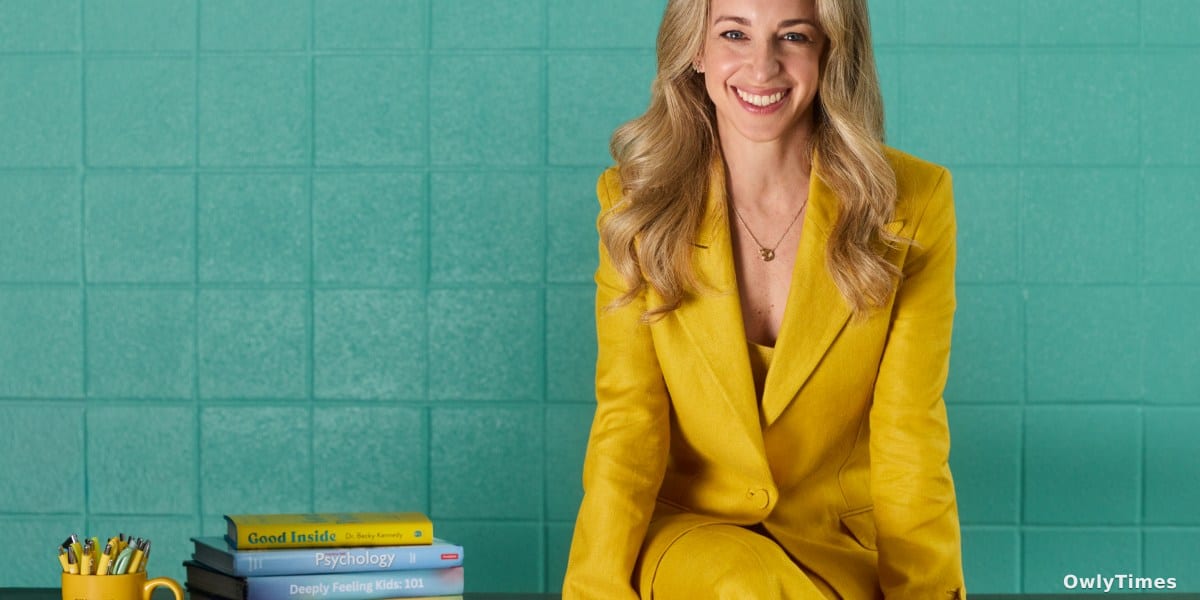

$34 million. That’s the revenue generated last year by Good Inside, the parenting empire built by Becky Kennedy from a standing start just over five years ago – a period coinciding with a dramatic shift in how millennial parents consume advice and, crucially, pay for it. While many social media personalities remain tethered to platform algorithms, Kennedy has successfully leveraged a 3.4 million-strong Instagram following into a diversified, profitable business, demonstrating a potent model for direct-to-consumer wellness brands. This isn’t simply about offering parenting tips; it’s about capitalizing on a demonstrable market need for structured, ongoing support, and a willingness among parents to invest financially in their own skill development.
The genesis of Good Inside is rooted in the pandemic-induced isolation of 2020. Kennedy, a Manhattan-based psychologist, began sharing her approach – emphasizing emotional regulation, boundary setting, and validating children’s feelings – on Instagram. The response was immediate, tapping into a vein of parental anxiety and a desire for validation. This organic growth is key. Unlike brands built on aggressive advertising, Good Inside’s initial success stemmed from perceived authenticity, a factor that continues to drive its expansion. “Parenting is the hardest job in the world,” Kennedy stated, recognizing a gap in the market for accessible, professional guidance. This isn’t merely a lifestyle brand; it’s positioning itself as “leadership” training for the home, mirroring the professional development ethos prevalent in the millennial workforce.
This piece references the Fortune report.
Good Inside’s revenue surge – a nearly 50% year-over-year increase – is directly tied to its subscription model. Digital memberships, ranging from $23.25 to $28 monthly, surpassed 100,000 subscribers in the third quarter of last year. This recurring revenue stream provides a stable foundation for expansion, allowing the company, now boasting over 60 employees, to invest in new offerings like the AI chatbot “Gigi.” The introduction of Gigi is a particularly shrewd move, acknowledging the existing reliance on tools like ChatGPT while positioning Good Inside as a more trusted, nuanced resource. The chatbot isn’t intended to replace human interaction, but to provide personalized, predictive support, identifying patterns in parental queries and offering tailored advice – a feature that differentiates it from generic AI responses.
However, the rapid ascent of Good Inside isn’t without its critics. Charlotte Faircloth, professor at the University College London Social Research Institute, points to the potential for increased parental anxiety fueled by the proliferation of readily available advice. The sheer volume of resources, including AI chatbots, can lead to “checking and double-checking” behaviors, undermining parental confidence. This tension highlights a broader issue: the commodification of parenting advice. While Kennedy defends her business model by drawing parallels to executive coaching, the accessibility and affordability of Good Inside’s offerings – compared to traditional therapy – raise questions about the potential for creating a two-tiered system of parental support. The core question is whether readily available, paid-for advice inadvertently amplifies anxieties it purports to alleviate.
The company’s funding history further illuminates its trajectory. A $10.5 million investment from VC firms, including Alexa von Tobel’s Inspired Capital, in 2023 provided crucial capital for scaling. Notably, Kennedy and cofounder Erica Belsky have largely bootstrapped the business, retaining significant control. This is a deliberate strategy, allowing them to prioritize long-term sustainability over rapid, VC-driven growth. The fact that Kennedy has “no immediate plans to raise more money” suggests a focus on profitability and organic expansion, a departure from the “growth at all costs” mentality often seen in the tech sector. This approach, coupled with the strategic use of social media and a focus on building a loyal community, positions Good Inside as a potentially enduring force in the parenting landscape.
What this means for your wallet: The success of Good Inside signals a broader trend – parents are increasingly willing to pay for curated, accessible support. Expect to see more wellness brands leveraging social media to build direct relationships with consumers, offering subscription-based services and personalized solutions. The key question for consumers isn’t if they’ll pay for parenting advice, but what they’ll pay for, and whether the value proposition aligns with their individual needs and values. Will the market ultimately reward brands that prioritize genuine support and community, or those that capitalize on parental anxieties through aggressive marketing and a relentless pursuit of “the right” way to parent?





