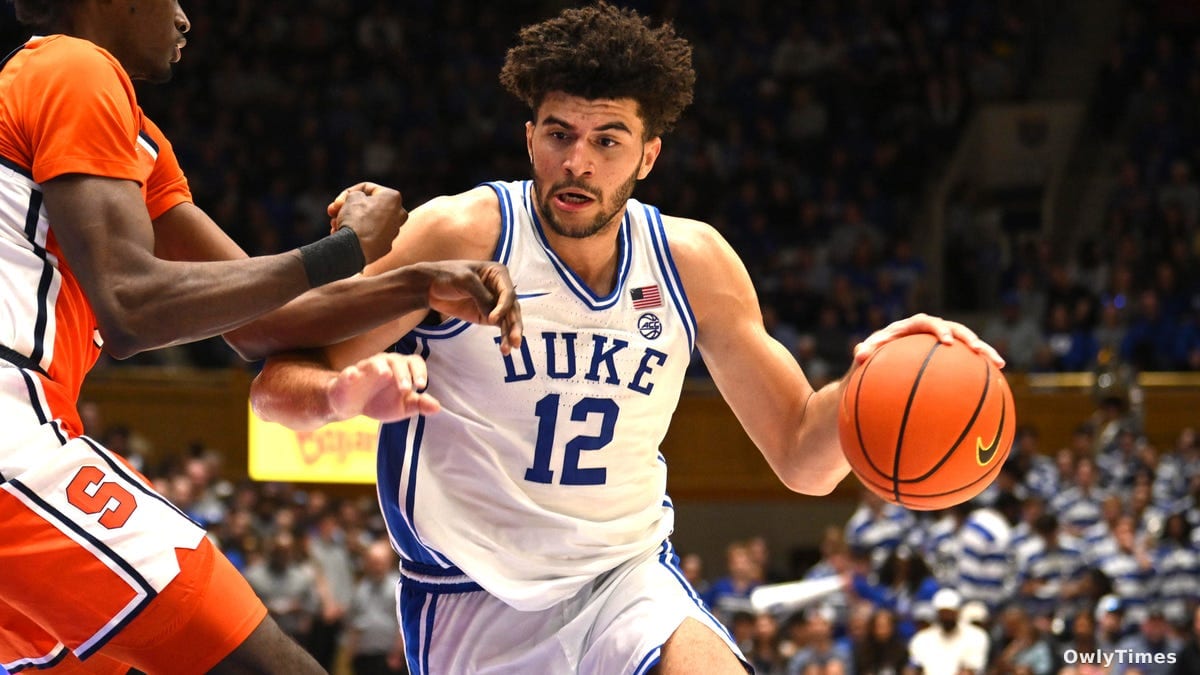

The Cameron Indoor Stadium roared, a blue and white wave crashing over the court as Duke’s Kyle Filipowski sealed the win against Michigan with a last-minute block. It wasn’t just a victory; it was a statement. A statement that reverberated beyond the polished wood of the court and into the volatile world of college basketball rankings, ultimately landing the Blue Devils at the coveted No. 1 spot in the USA TODAY Sports coaches poll. But this isn’t simply about a team ascending to the top – it’s about the shifting power dynamics in a sport grappling with its own identity in a rapidly changing landscape.
The Price of Perfection in a Transfer-Heavy Era
Duke’s rise, securing 27 of 31 first-place votes, feels particularly significant given the turbulence of the current season. The transfer portal has fundamentally altered team building, creating a sense of perpetual flux. Unlike the dynasties of the past, built on years of recruiting and player development, today’s contenders are often assembled with a patchwork of talent, making sustained dominance a far more elusive goal. This makes each week’s poll feel less like a coronation and more like a snapshot – a fleeting moment of order in a chaotic system. Arizona, grabbing the remaining four No. 1 votes and climbing to No. 2 after defeating Houston, exemplifies this. They’re a strong team, undeniably, but the question remains: can they maintain this momentum when the roster landscape is constantly shifting beneath their feet?
Original reporting: USA Today.
Beyond the Scoreboard: The SEC’s Quiet Ascent
While the top of the poll is dominated by familiar blue bloods, the quiet story unfolding is the resurgence of the Southeastern Conference. Florida, climbing four spots to No. 7, is the most visible example. Their early-season struggles raised eyebrows, but their recent form suggests a team peaking at the right time to defend their NCAA title. More telling, however, is the re-entry of Alabama at No. 18 and Tennessee at No. 22. These aren’t just flashes in the pan; they represent a deeper investment in basketball within the SEC, fueled by increased funding and a growing commitment to attracting top talent. The SEC’s climb isn’t just about individual teams; it’s about a conference challenging the traditional power structures of the sport, a shift that has significant implications for recruiting and future NCAA tournament seeding.
The Fall of Former Frontrunners and the Cost of Upset
The poll isn’t just about who’s rising; it’s about who’s stumbling. Michigan’s fall to No. 3 and Houston’s slide to No. 4 are stark reminders of the unforgiving nature of college basketball. A single loss, especially against an unranked opponent, can derail weeks of progress. This volatility isn’t new, but it feels amplified in an era where every game is scrutinized and dissected on social media. The pressure on coaches and players is immense, and the margin for error is shrinking. The departure of Clemson and Wisconsin from the Top 25 further illustrates this point – programs that were once considered reliable contenders are now fighting to stay relevant in a crowded field. This constant churn creates a fascinating, if somewhat unsettling, dynamic for fans and analysts alike.
What This Means for the Future of College Basketball
The USA TODAY Sports coaches poll is, at its core, a popularity contest. It reflects perceptions and biases as much as it does objective performance. But this week’s poll, with Duke at the helm and the SEC gaining ground, offers a glimpse into the evolving narrative of college basketball. The sport is becoming increasingly reliant on quick fixes and transfer-driven rosters, challenging the traditional model of sustained program building. The SEC’s rise suggests a potential shift in the geographic center of basketball power. The question now is whether these trends will continue, or if the established programs will adapt and reclaim their dominance. Will we see a future where the No. 1 team changes hands weekly, or will a new dynasty emerge from the chaos? More importantly, will the NCAA be forced to address the implications of the transfer portal and the growing financial disparities between conferences, or will the sport continue to drift towards a state of perpetual instability?