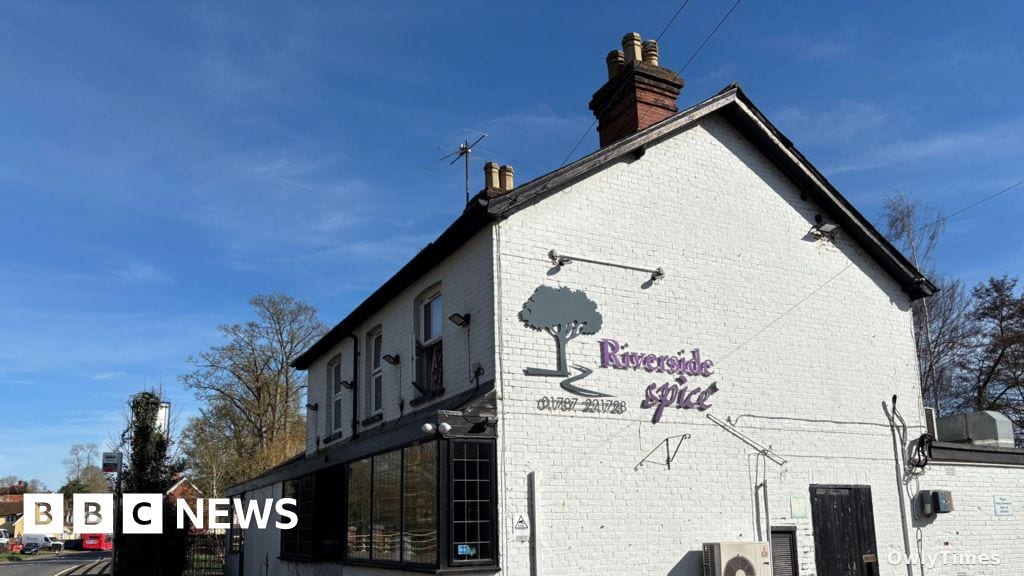

A 73% Valentine’s Day Revenue Drop: The Hidden Cost of Infrastructure Upgrades
A 73% year-over-year decline in Valentine’s Day bookings at Abdul Hamid’s Riverside Spice in Earls Colne, Essex, isn’t a story about a struggling restaurant – it’s a stark illustration of how infrastructure projects can inflict immediate, localized economic damage. While necessary gas pipe replacements by Cadent Gas are underway, the resulting road closures and chaotic diversions are demonstrably crippling businesses in the village, to a degree exceeding even the impacts of Covid-19 lockdowns. This isn’t simply anecdotal; it’s a microeconomic case study in the cost of delayed infrastructure investment and the lack of coordinated mitigation strategies.
Drawn from the BBC.
The Ripple Effect of Disrupted Access
Since February, key routes through Earls Colne have been intermittently shut down as Cadent Gas replaces approximately 1 kilometer (0.6 miles) of century-old gas pipes. The project, slated for completion by March 25th, is presented as essential for maintaining a reliable gas supply and ensuring public safety. However, the immediate consequence is a dramatic increase in travel time – Hamid reports a typical two-minute drive now takes 25-30 minutes for customers. This isn’t a minor inconvenience; it’s a barrier to commerce. The 22 bookings Riverside Spice did receive for Valentine’s Day represent a precipitous drop from the usual 80, and even those reservations experienced cancellations, likely due to the logistical challenges of reaching the restaurant. This isn’t isolated. Claire Smith, a property manager in Earls Colne, notes a significant decline in footfall throughout the village, attributing it directly to the confusion and uncertainty surrounding access routes.
Potholes and the Price of Diversions
The problem isn’t just the closures themselves, but the quality of the diversion routes. Ryan Martin, a used-car salesman, highlights the deteriorating condition of rural roads used as alternatives, riddled with potholes that further discourage travel. This creates a negative feedback loop: roadworks deter customers, leading to reduced revenue for businesses, which in turn impacts the local economy and potentially increases the burden on local authorities. Essex Highways acknowledges its limited role – they don’t initiate the works, only ensure safety and “minimal disruption.” But “minimal disruption” is a subjective term when a restaurant owner is facing existential threat. The agency’s statement offers reassurance but lacks concrete details on financial support or proactive measures to offset the economic impact on businesses like Riverside Spice.
Beyond Earls Colne: A National Pattern
The situation in Earls Colne isn’t unique. Across the UK, aging infrastructure requires constant repair and replacement, inevitably leading to localized disruptions. A 2022 report by the National Infrastructure Commission estimated that £600 billion of infrastructure investment will be needed by 2040 to maintain current levels of service. The challenge isn’t simply funding these projects, but minimizing the collateral damage. While Amber Greensmith of Cadent Gas emphasizes the necessity of the work, the company’s messaging focuses on safety and reliability, not on economic mitigation. This is a critical oversight. Businesses aren’t objecting to the upgrades themselves, but to the lack of proactive communication, coordinated traffic management, and financial assistance during the disruption.
What This Means for Your Wallet
The Earls Colne case study serves as a warning. Infrastructure upgrades are vital, but they come with a cost. Consumers should anticipate potential price increases at businesses affected by such projects, as owners attempt to offset lost revenue. More importantly, this situation highlights the need for greater transparency and accountability from utility companies and local authorities. Will future infrastructure projects include mandatory economic impact assessments and dedicated funds to support affected businesses? The question isn’t if these upgrades will happen, but how we can ensure they don’t come at the expense of local livelihoods. Watch for upcoming infrastructure projects in your area and consider how they might impact your local businesses – and whether those businesses are prepared to weather the storm.





