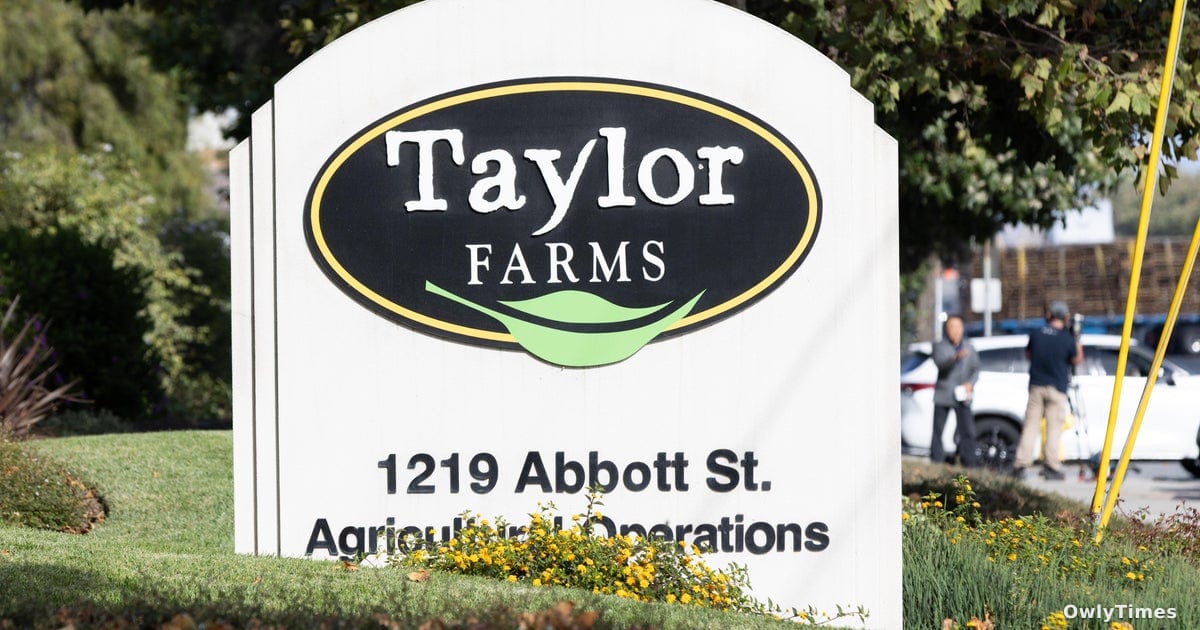

The scientific challenge of managing a potential industrial catastrophe centers on the behavior of methyl methacrylate (MMA), a versatile chemical compound fundamental to the aerospace and plastics industries. When a storage vessel containing this substance becomes compromised, as is the case at a facility in Garden Grove, the primary concern for toxicologists and public health officials is not merely the chemical itself, but its transformation into a volatile vapor. On Friday, May 22, the urgency of this situation became clear as authorities moved to evacuate approximately 40,000 residents due to the volatile nature of the substance.
The public narrative surrounding this event often conflates the mere presence of a chemical with the immediate threat of a toxic cloud. However, the scientific reality is more nuanced. Dr. Regina “C.K.” Chinsio-Kwong, an Orange County Health Officer, noted that while the threat of a rupture or leak is significant, the South Coast AQMD has not yet reported detecting MMA in the surrounding air. The risk assessment provided by health officials relies on the distinction between a controlled leak, where the polymer might simply harden, and an explosive event that would generate a dangerous vapor plume.
Understanding the Physiological Risks
The toxicity of MMA is relatively well-tracked in industrial settings, yet the potential for harm in a residential, ambient environment remains a point of intense scrutiny. Michael Kleinman, a professor at UC Irvine who teaches at the Joe C. Wen School of Population and Public Health, emphasizes that the danger is heavily dependent on the physical state of the chemical post-rupture. Because MMA is heavier than air, a spill would likely result in a low-lying, concentrated zone of exposure, whereas an explosion could loft the chemical into the atmosphere to be dispersed by wind patterns.
Inhalation of the vapor—which is characterized by a heavy, fruity odor—can trigger a cascade of respiratory and neurological symptoms. Individuals may experience irritation of the eyes, nose, and throat, alongside systemic effects such as dizziness, nausea, and headaches. While MMA is not currently classified as a human carcinogen, Kleinman warns that the toxicity levels can "ramp up" to lethal concentrations if a sufficient quantity is aerosolized. Those with pre-existing respiratory conditions, such as asthma, or individuals previously sensitized through occupations like nail salon work or manufacturing, face a heightened risk of adverse reactions.
Limitations to Consider
It is critical to clarify that common protective measures, such as the face masks used during the COVID-19 pandemic, offer no defense against this type of exposure. As Kleinman observes, those masks were engineered to filter solid particulates, whereas MMA is an organic vapor that would penetrate standard filtration materials with ease. Furthermore, while we have data on the chemical’s impact on laboratory animals, our clinical understanding of long-term, low-dose exposure in human populations remains incomplete. This uncertainty underscores why health authorities are prioritizing a wide evacuation zone over relying on individual mitigation strategies.
Next Steps in Monitoring
The unfolding situation in Garden Grove serves as a unique case study for emergency response, as there is little historical precedent for this specific type of large-scale chemical threat involving MMA. The next steps for researchers and local officials involve continuous monitoring by the Environmental Protection Agency and the South Coast AQMD to detect any shifts in air quality. The future trajectory of this event—and the subsequent risk to groundwater and long-term health—will be determined by the next readings of air quality sensors and the physical state of the chemical once the pressure inside the vessel is successfully managed.