
$0 is the cost of entry for the community atmosphere Nikkolus Garza is attempting to cultivate at his newest venture, Maryjane’s Hideaway, where he claims his primary objective is the act of service rather than the immediate transaction. On April 26, 2026, the doors officially opened at 5280 W. 25th Avenue in Edgewater, occupying the former site of Providence. For local commercial real estate, the transition of this specific storefront represents a critical test of whether an established local operator can revitalize a high-visibility watering hole that had previously gone dark.
Scaling from Street Carts to Full-Service Hospitality
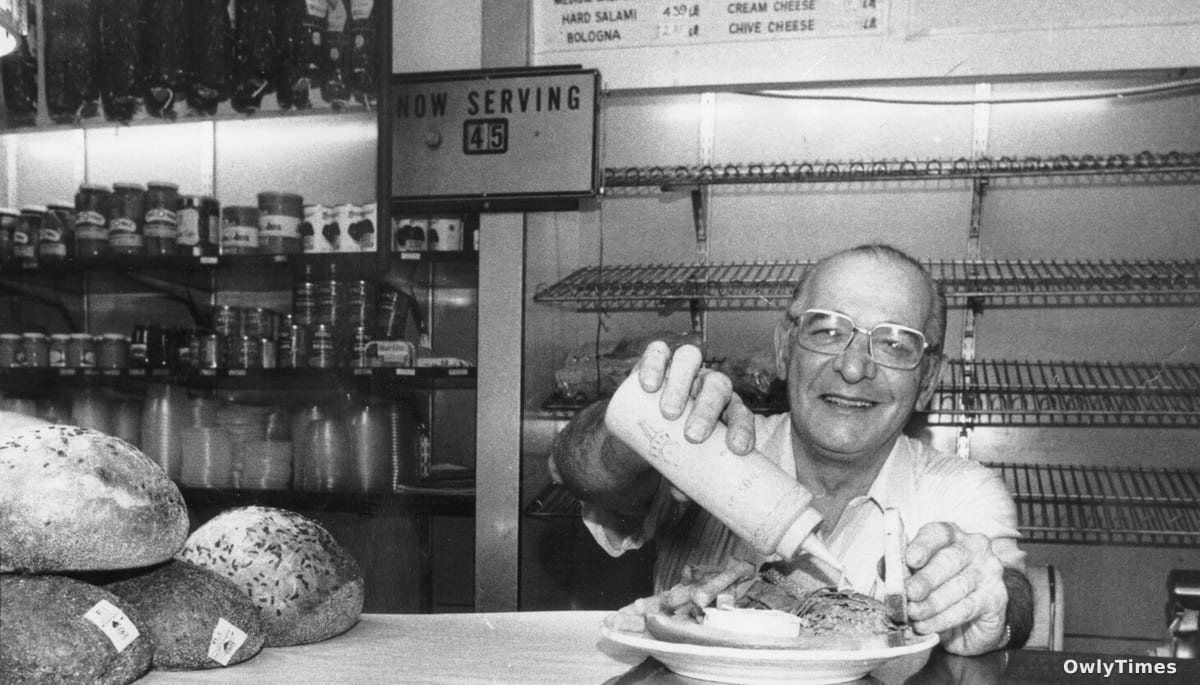
Follow the money behind Garza’s expansion and you find a trajectory rooted in low-overhead, high-volume mobile food service. His family’s background began with hot dog carts at Currigan Hall/Convention Center, followed by a two-decade tenure operating a cart at the Denver Skatepark. This history of mobile operations serves as the operational blueprint for his current portfolio, which also includes Eat Here, located at 4004 W. 38th Avenue in Denver.
Transitioning from the lean margins of food carts to the heavy overhead of a brick-and-mortar restaurant requires a shift in revenue strategy. Garza is betting that his pedigree in the Denver service scene will translate into the foot traffic necessary to sustain a full-service bar and kitchen. By maintaining his existing location on 38th Avenue while launching in Edgewater, he is diversifying his geographic footprint across the metro area to mitigate the risks associated with single-neighborhood market saturation.
The Operational Pivot to Niche Amenities
The business model at Maryjane’s Hideaway deviates from traditional pub structures by layering unconventional revenue streams into the floor plan. While the core of the business relies on traditional bar fare, the inclusion of an All Day Breakfast menu and an Airstream trailer in the back—dedicated to ice cream sales—indicates a strategy aimed at capturing multiple dayparts. By targeting the breakfast crowd and the casual, family-oriented ice cream consumer, the restaurant seeks to maximize the utility of its physical square footage beyond the standard evening happy hour.
Garza’s stated philosophy of prioritizing the relationship over the margin suggests a lean toward customer retention rather than aggressive pricing. In a sector where rising food costs have forced many operators to squeeze margins, his emphasis on being "service oriented" rather than adopting a formal "black tie" approach is a calculated attempt to lower the barrier to entry for the local neighborhood. Whether this community-first approach can withstand the operational costs of a full-service space will be the primary indicator of the venture's long-term health.
Measuring Success in the Edgewater Corridor
For local investors and residents, the performance of this site serves as a barometer for the broader commercial vitality of the 25th Avenue corridor. As Maryjane’s Hideaway settles into its first full month of operation, the volume of service during non-peak hours—specifically the performance of the Airstream ice cream unit and the all-day breakfast menu—will offer the most immediate data on whether this niche-service strategy is gaining traction. The next reading of customer traffic volume compared to the previous occupant's output will show whether the neighborhood's appetite for this particular brand of hospitality matches the owner’s investment. For your wallet, this means a new local option that prioritizes casual, high-frequency dining, though the sustainability of such a pricing model in the current inflationary climate remains the key metric to watch.