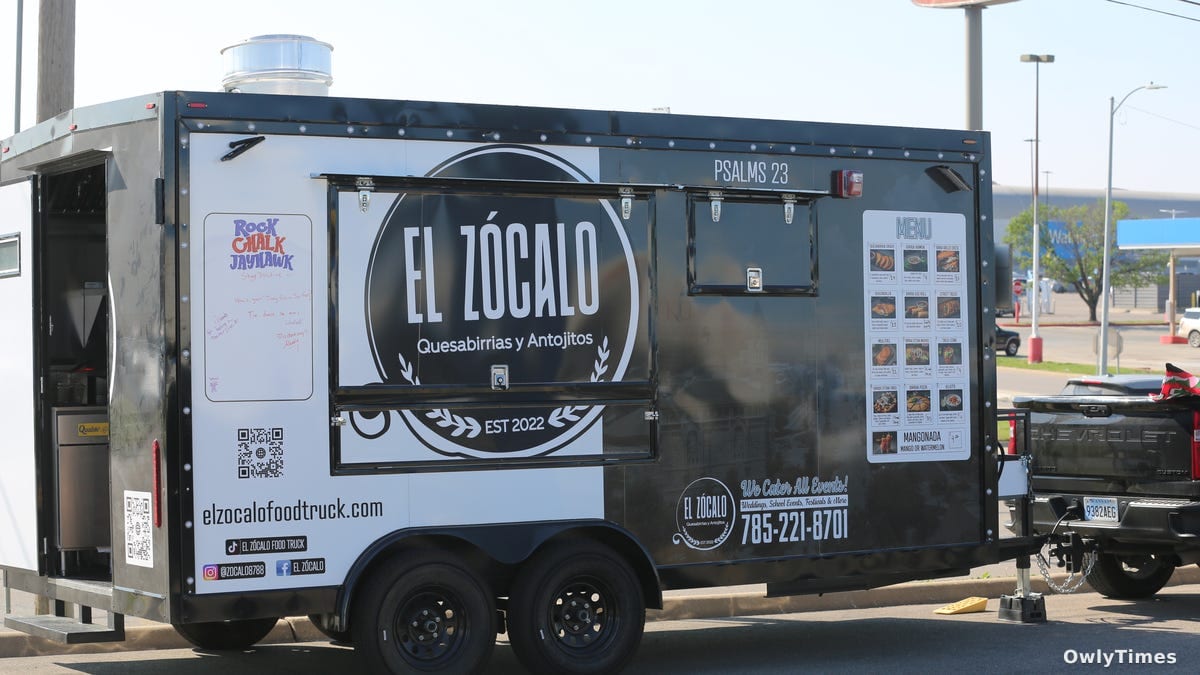

$0 is the amount of capital that initially fueled El Zócalo, a Topeka-based culinary venture that began in 2022 as a part-time side hustle for Nancy and Francisco Lopez. While many small businesses rely on traditional bank financing to scale, the Lopezes leveraged the internal equity of their own household labor and community demand to transition from a small, part-time food truck to a multi-vehicle operation. By reinvesting the proceeds from their initial birria-focused menu—which includes unconventional offerings like birria ramen, egg rolls, and pizza—the family successfully converted a supplementary income stream into a full-time livelihood.
Strategic Scaling Through Capital Reallocation
The transition to a second truck, now serving the Lawrence market, marks a significant shift in the business's capital structure. Destiny Lopez, the 19-year-old daughter of the owners, catalyzed this expansion by liquidating her personal asset—her car—to provide the necessary liquidity for the second vehicle. This move represents a high-conviction bet on the family business, as Destiny balances her role in the company with her upcoming entry into the nursing program at the University of Kansas in August. Follow the money here: by utilizing personal savings rather than high-interest commercial debt, the family maintains complete equity control while simultaneously creating a self-funded tuition vehicle for Destiny’s higher education.
Community Demand as a Lead Indicator
The sustainability of this growth is underpinned by a consistent, high-velocity demand profile across Topeka. The Lopezes report that their expansion has been primarily driven by recurring bookings for school events, festivals, carnivals, and private celebrations like weddings and birthdays. This volume-based model allows the business to mitigate the inherent risks of the mobile food industry by securing consistent revenue streams outside of traditional street-side vending. For a business that started by merely testing a menu, the ability to maintain operations from 5 to 8:30 p.m. on Thursdays and Sundays at 1600 SW Wanamaker Road—often until the product is sold out—serves as a primary metric of their operational efficiency and market fit.
Navigating the Dual-Income Paradox
The Lopezes’ business model highlights the tension between professional specialization and entrepreneurial agility. Destiny Lopez noted the difficulty of reconciling a nursing major with the demands of business management, yet the family has framed this challenge as a long-term capital investment. For the business owners, the "reward" cited by Francisco Lopez is not merely the increased footprint in Lawrence, but the reduction of financial risk for the next generation. By keeping overhead low and relying on direct community engagement, the family has insulated their operation from the volatility often seen in the broader restaurant industry, where high rent and fixed labor costs frequently erode margins.
Investor and Consumer Takeaway
For consumers and local observers, the trajectory of El Zócalo serves as a case study in organic growth. The business currently relies on social media engagement—specifically via their Facebook presence—to dictate location shifts and inventory management. The next reading of their social media update frequency and location announcements will serve as the primary indicator of their operational capacity as they manage the logistical complexities of running two trucks across two different cities. For those observing the local economy, the Lopez family’s ability to scale based on community-verified demand suggests that the "side hustle" remains a potent, if underutilized, testing ground for long-term entrepreneurial viability.