
Beyond Headlines: What Families Are Actually Saying to the Lampard Inquiry
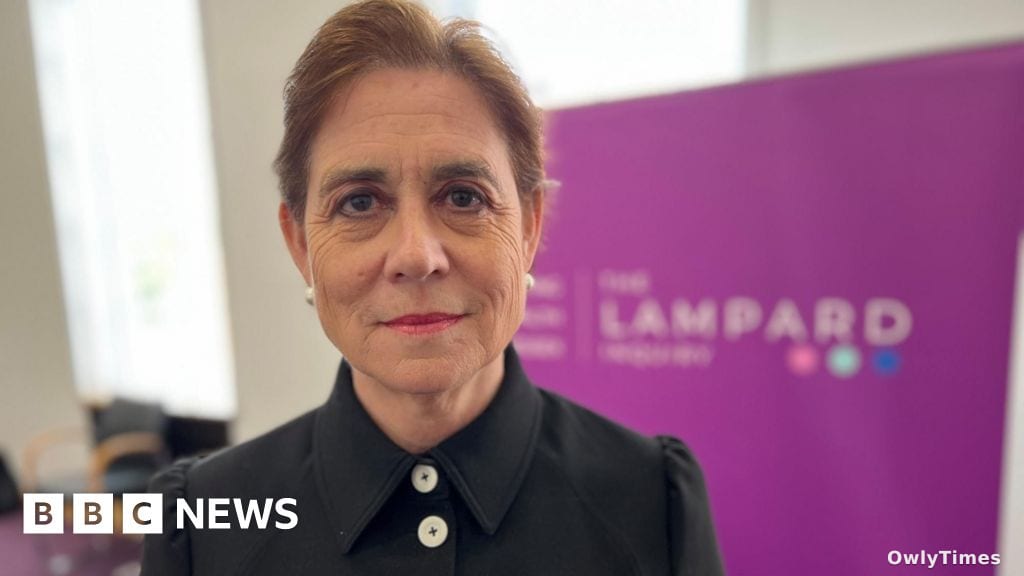
The initial reports from the Lampard Inquiry into over 2,000 mental health-related deaths in Essex between 2000 and 2023 have focused on harrowing individual stories – a mother’s suspicion her son was murdered, a woman dismissed as a “box-ticking” exercise. But to frame this as simply a collection of tragedies obscures a more fundamental question the inquiry is attempting to answer: how systemic failures within the Essex Partnership University NHS Foundation Trust (EPUT) and the North East London NHS Foundation Trust (NELFT) contributed to preventable deaths, and what structural changes are needed to prevent recurrence. The inquiry, which began in September 2024 and is chaired by Baroness Lampard, isn’t merely revisiting past cases; it’s dissecting the processes – assessments, medication management, family communication, and crucially, safety within inpatient units – that define mental healthcare delivery in these trusts. The two weeks of testimony ending February 16th, featuring twelve families, represent only the beginning of a process expected to yield a final report in mid-2028, a timeline already facing scrutiny.
The power of these early testimonies lies not just in the grief expressed, but in the specific details of perceived failures. Lisa Morris’s account of her son Ben’s death at the Linden Centre in 2008, and her questioning of the official ruling of suicide, is particularly striking. It’s not simply a challenge to the narrative of a single case, but a direct accusation of inadequate investigation and potential criminal negligence. Similarly, Stuart Ringer’s testimony regarding his friend Gosia Nowak’s death in 2019 highlights a pattern of premature discharge and a perceived lack of genuine care, with Nowak described as “defeated” after repeated encounters with services. These aren’t isolated incidents; they point to a culture where patients were potentially discharged before stabilization, and where bureaucratic processes overshadowed individual needs. The inquiry is deliberately broad in scope, examining themes from physical and sexual safety to the application of the Mental Health Act, recognizing that failures can manifest in multiple ways.
Drawn from the BBC.
However, it’s crucial to understand what the inquiry is not yet concluding. While the testimonies paint a disturbing picture, Baroness Lampard’s final report will need to establish direct causal links between systemic issues and individual deaths. The inquiry is gathering evidence, not rendering judgments. Headlines proclaiming definitive findings at this stage are premature. The sheer volume of cases – over 2,000 deaths – necessitates a meticulous and lengthy investigation. The inquiry has already heard from approximately 100 bereaved families, and further sessions are planned throughout 2025 and 2026, including pre-recorded evidence and focused examinations of specific themes like ward safety and police involvement. This phased approach, while necessary, also introduces the risk of losing momentum and public attention.
A growing tension surrounds the inquiry’s progress, specifically regarding access to information. Baroness Lampard herself acknowledged “some delay” in receiving crucial documentation – witness statements and internal documents – from EPUT and other relevant organizations. This delay, as highlighted by Maya Sikand KC, representing families through three law firms, raises “urgent concerns” about the inquiry’s ability to meet its objectives within the allotted timeframe. The accusation of facing “a wall of silence” is a serious one, suggesting potential obstruction or a lack of transparency from the very institutions under scrutiny. EPUT’s Chief Executive, Paul Scott, issued an apology for past failures and pledged continued support, but the delay in providing documentation casts a shadow over that commitment. This isn’t simply a bureaucratic hiccup; it’s a potential impediment to uncovering the truth.
Looking ahead, the inquiry’s next phase – pre-recorded evidence sessions in April, followed by thematic hearings in July and October – will be critical. The focus will shift from individual narratives to a deeper analysis of specific processes and policies. But the most important question isn’t just what happened, but why it happened, and what concrete steps can be taken to prevent similar tragedies. Will the inquiry’s recommendations lead to legally binding changes in mental healthcare delivery, or will they be relegated to a list of well-intentioned but ultimately ineffective suggestions? Families and advocates will be watching closely to see if the Lampard Inquiry delivers not just accountability, but lasting systemic reform. Specifically, we should be looking for evidence of how the inquiry plans to address the power imbalance between patients and institutions, and whether it will propose independent oversight mechanisms to ensure that mental health services are truly patient-centered.