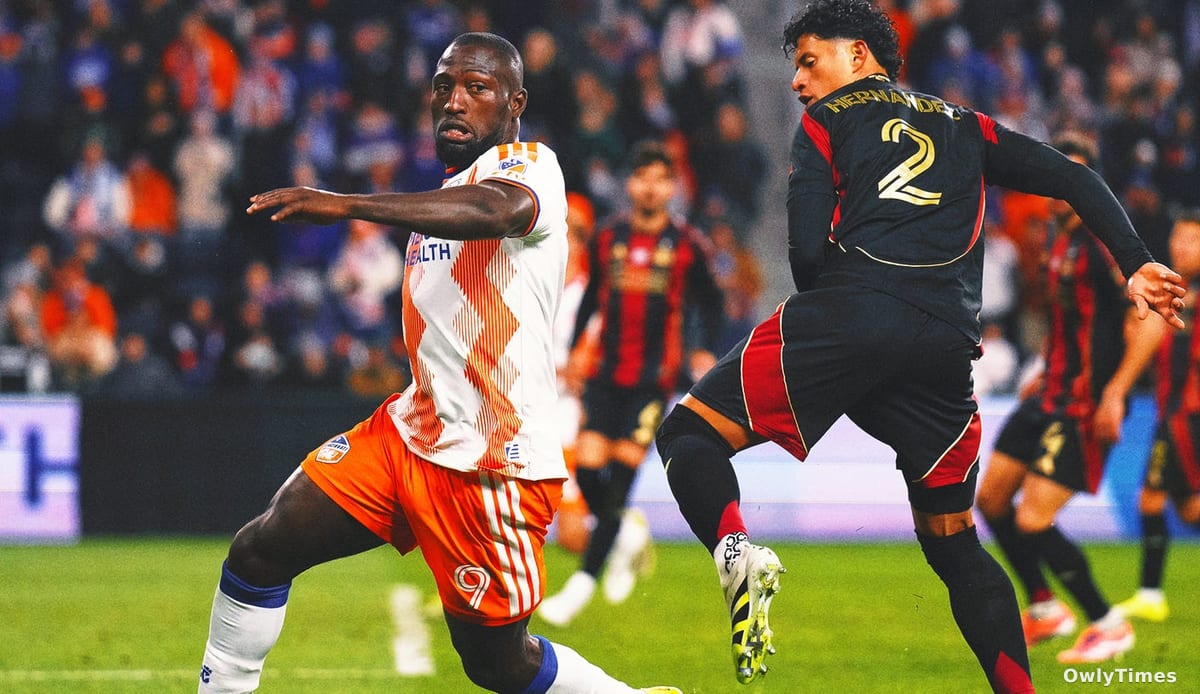

The chipped paint on the goalposts at Lindner Family TQL Stadium seemed to gleam under the Saturday afternoon sun, but for a long stretch, the scoreline remained stubbornly locked at zero. It wasn’t a lack of effort – FC Cincinnati and Atlanta United FC traded chances, a tense dance of possession and near misses. But the breakthrough, when it finally came, wasn’t a moment of tactical brilliance, but a raw, visceral display of resilience and, for Nick Hagglund, a full-circle reckoning. Kevin Denkey and Hagglund’s late goals secured a 2-0 victory for Cincinnati, but the story unfolding on the pitch was about far more than just three points in an MLS opener. It was about overcoming trauma, navigating the precariousness of a season, and the quiet pressure on a new manager to deliver instant results.
A Shadow Over the Pitch: Hagglund’s Return
The image of Nick Hagglund collapsing on the field last May, clutching his ribs, is still vivid for Cincinnati fans. A collision during a match against Atlanta United resulted in two broken ribs and a collapsed lung, sidelining him for over two months. To score the decisive second goal against Atlanta – a powerful header off a Bryan Ramirez corner in the 90th minute – wasn’t just a game-winning play; it was a defiant statement. Hagglund’s return, and his immediate impact, speaks to a level of mental fortitude rarely discussed in the hyper-physical world of professional soccer. While the league boasts increasingly sophisticated injury recovery protocols, the psychological toll of a near-life-threatening injury is often minimized. Hagglund’s goal wasn’t just about athleticism; it was about reclaiming territory – both on the field and within himself. It’s a narrative that resonates beyond the stadium, tapping into a broader cultural conversation about athletes as vulnerable humans, not just machines of performance.
See the original foxsports.com story for the full account.
The Evander Effect and Cincinnati’s Depth Test
The celebratory mood was tempered by a significant blow just 13 minutes into the game: a hamstring injury forced Evander, a strong contender for the 2025 MVP award, off the pitch. Losing a player of Evander’s caliber – he finished last season with 10 goals and 6 assists – is a gut punch for any team, especially in the opening match. The immediate response, bringing on Gerardo Valenzuela, revealed a crucial aspect of Cincinnati’s strategy this season: depth. While Evander’s absence will undoubtedly be felt, the team’s ability to seamlessly integrate a replacement suggests a conscious effort to build a roster capable of weathering inevitable injuries and suspensions. This is a departure from previous seasons where Cincinnati’s success felt heavily reliant on a select few key players. The league is becoming increasingly unforgiving, with the expanded playoff format demanding consistent performance across the entire squad, not just star power.
Martino’s Debut: Pressure and Expectations in Atlanta
For Gerardo “Tato” Martino, the newly appointed manager of Atlanta United, the debut was a sobering reality check. The Argentine tactician, a decorated manager who previously led Argentina and Barcelona, and most recently coached Lionel Messi at Inter Miami, arrived in Atlanta with a reputation for instant success. However, the 2-0 loss exposed vulnerabilities and a lack of cohesion. While it’s premature to draw definitive conclusions from a single game, the pressure on Martino is immense. Atlanta United, historically a powerhouse in MLS, has struggled to recapture its early magic. The club’s ownership invested heavily in Martino, expecting a swift return to championship contention. The fact that a team with Atlanta’s resources and ambition was shut out by Cincinnati, a team that has steadily built its success through smart scouting and player development, is a significant data point. It highlights the growing parity in MLS and the challenges even the most celebrated managers face in navigating the league’s unique landscape.
Beyond the Scoreline: A League in Transition
The Cincinnati-Atlanta match wasn’t just a game; it was a microcosm of the evolving MLS landscape. The league is attracting higher-profile players and managers, increasing media attention, and expanding its fanbase. But this growth comes with heightened expectations and increased scrutiny. The narrative around Kevin Denkey, who despite scoring the opening goal, also missed a clear one-on-one chance in the 56th minute, exemplifies this. The missed opportunity wasn’t simply a footnote in the game recap; it was dissected on social media, analyzed by pundits, and will likely fuel his motivation in the weeks to come. This level of scrutiny, previously reserved for the league’s biggest stars, is now extending to a wider pool of players. The question now is whether MLS can sustain this momentum, balancing the allure of global stars with the development of homegrown talent and the cultivation of a truly sustainable competitive ecosystem. Will teams prioritize long-term stability or continue to chase short-term gains through expensive signings? The answer will define the league’s trajectory for years to come.