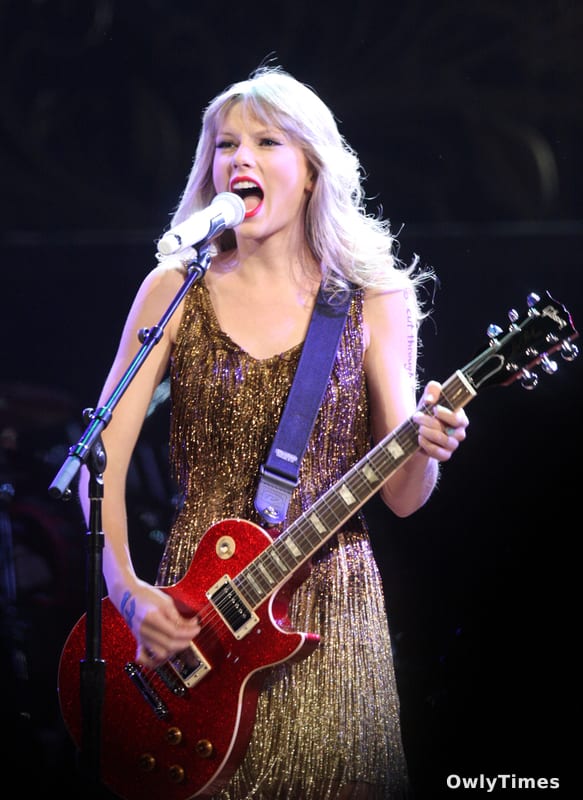

The chipped Formica of the diner booth felt cold under my elbows as I scrolled through the latest Windy City Gridiron comments at 2:00 AM. It wasn’t the football takes themselves that held my attention, but the sheer volume of them, a restless energy swirling around the Chicago Bears even in the dead of night. The question wasn’t about a player’s stats or a coach’s strategy, but about Taylor Swift’s contract – a pop culture obsession bleeding into the hyper-masculine world of NFL fandom. It’s a bizarre barometer, but it speaks to something fundamental: the Bears aren’t just a football team, they’re a civic obsession, a blank slate onto which Chicago projects its hopes, anxieties, and, apparently, its celebrity gossip. And right now, that projection feels particularly frantic.
The Perpetual Quarterback Carousel
The core of this anxiety, predictably, is the quarterback position. The post, referencing the possibility of sticking with Justin Fields, trading him, or extending his contract, tapped into a vein of frustration that’s been building for years. “JJ or bust?” one commenter wrote, a sentiment echoing across the fanbase. It’s a brutal assessment, but it highlights the pressure cooker Fields is in. The Bears have been cycling through quarterbacks since the retirement of Sid Luckman in 1950, a revolving door of hopefuls and disappointments. The draft-a-quarterback-every-year strategy, as one commenter wryly pointed out, feels less like a plan and more like a desperate lottery ticket purchase. This isn’t just about football; it’s about a city starved for a championship, a city that defines itself by its grit and resilience, and a city that feels increasingly left behind in the national sports conversation.
Reporting from windycitygridiron.com informs this analysis.
The release of guard James Daniels, a player only 28 years old, feels almost symbolic of this constant rebuilding. While a solid player, his departure underscores the team’s willingness to prioritize future potential over proven talent. It’s a calculated risk, but one that fuels the narrative of a franchise perpetually chasing the next big thing, rather than building a sustainable winner. The team’s focus on acquiring wide receiver help, while sensible given the need for offensive weapons, feels almost secondary to the looming question mark at quarterback. A talented receiver can only do so much with inconsistent throws.
Beyond the Roster: The Chicago Brand
This constant churn isn’t just a football problem; it’s a branding problem. The mention of Taylor Swift’s contract being “worth a shot for the Bears, because it raises the city’s profile around Chicagoland” is telling. The team is acutely aware of its role as a cultural ambassador for Chicago. A successful Bears season isn’t just about wins and losses; it’s about tourism, merchandise sales, and the overall perception of the city. Chicago is a global hub, but it often feels overshadowed by the coasts. A winning Bears team, and the accompanying national attention, could be a significant economic and cultural boost.
This explains the almost obsessive focus on the team’s image, and the strict community guidelines enforced on platforms like Windy City Gridiron – no personal attacks, no politics, no gender-based insults. It’s an attempt to curate a positive and inclusive online environment, a reflection of the city’s broader efforts to attract investment and talent. But it also feels…controlled. The raw, unfiltered passion of the fanbase is often stifled in the name of maintaining a palatable public image.
The Sausage Knows: Inside Information and the NFL Ecosystem
The post also included a curious aside from “Polish Sausage,” a commenter known for his often-accurate (and sometimes cryptic) insights into the inner workings of the NFL. He claimed to have information about Bill Belichick’s plans, initially referencing a player nicknamed “Cheetah” before correcting himself. This seemingly throwaway comment speaks to the surprisingly porous nature of information within the league. The NFL is a tightly controlled ecosystem, but leaks happen, rumors swirl, and insiders like Polish Sausage cultivate networks that provide them with valuable intelligence. It’s a reminder that the game is played not just on the field, but in the backrooms and boardrooms, where decisions are made and narratives are shaped.
And a word to the wise, according to the same source: “Dear Ronnie: If you are not nearing your hotel at 4:30 AM, and are instead in your room, chances are you won’t be assaulted by random strangers.” A bizarre, yet strangely compelling piece of advice, hinting at the sometimes-unpredictable lifestyle of those involved in the NFL world.
What This All Means for the Future
The Bears’ current predicament isn’t unique. Many franchises are grappling with the challenges of rebuilding, managing expectations, and navigating the complexities of the modern NFL. But the Chicago context – the city’s passionate fanbase, its economic importance, and its cultural identity – elevates the stakes. The team’s success or failure will have ripple effects far beyond the football field.
The question isn’t just whether the Bears will find their franchise quarterback. It’s whether they can successfully leverage their platform to revitalize the city’s image, attract investment, and reignite the civic pride that has long been associated with the team. Will they continue down the path of perpetual rebuilding, or will they finally break the cycle and build a sustainable winner? And, perhaps more importantly, will they allow the raw, unfiltered passion of their fanbase to be heard, or will they continue to prioritize control over authenticity? The next few years will be critical, not just for the Bears, but for the city of Chicago itself.

