
Beyond “Support the Troops”: Florida Expands Veteran’s Treatment Courts with Unanimous Legislative Approval
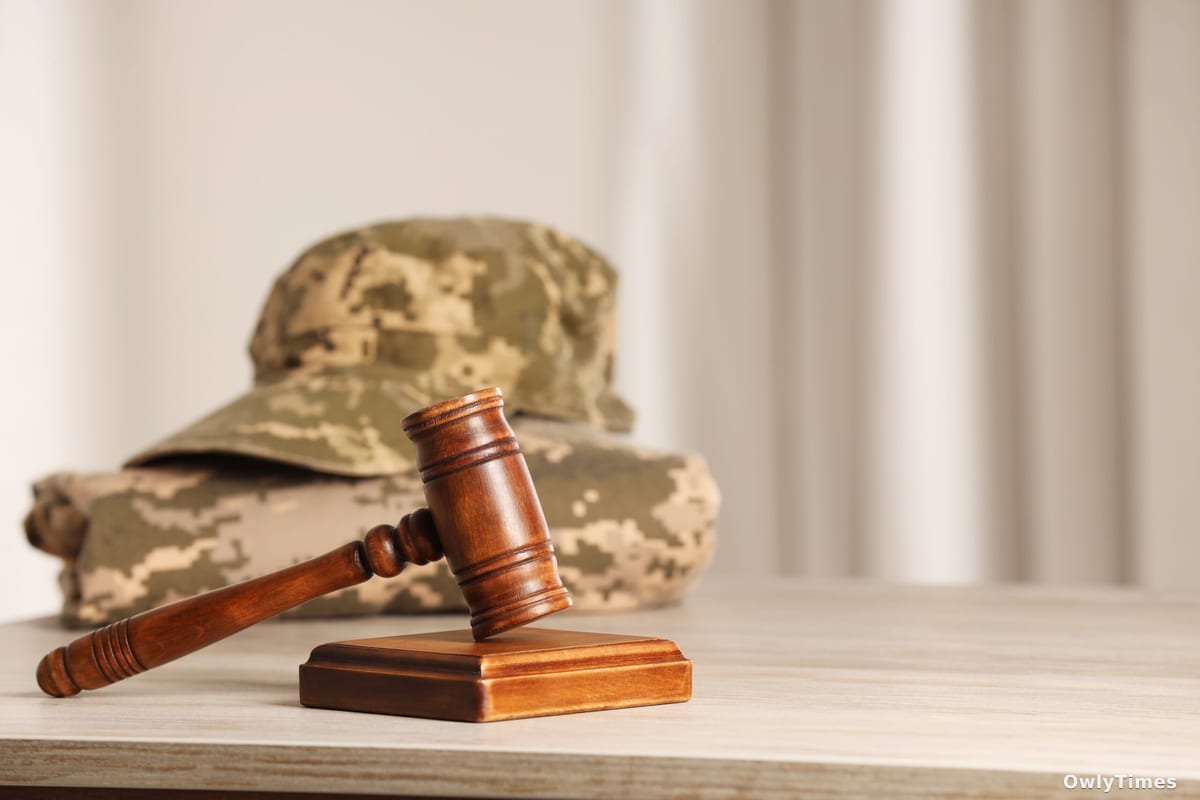
The outpouring of bipartisan support for HB 199, now passed unanimously by both the Florida House (110-0) and Senate (37-0), isn’t simply a gesture of gratitude towards veterans. It’s a pragmatic acknowledgement that traditional criminal justice approaches often fail individuals whose offenses stem from the unique challenges of military service – challenges like post-traumatic stress, substance use disorders, and the difficulties of reintegrating into civilian life. While headlines celebrate a “win for veterans,” the significance of this bill lies in its shift from rhetoric to a concrete restructuring of how Florida’s legal system responds to veteran involvement in crime, and the implications for other states grappling with similar issues.
Based on the original Florida Politics report.
The core of HB 199, sponsored by Rep. Patt Maney, a retired U.S. Army brigadier general and former judge, addresses a critical inconsistency in Florida’s specialty courts. Currently, eligibility for Veterans Treatment Courts – programs designed to divert veterans from traditional incarceration into judicially-supervised treatment – varied significantly by jurisdiction. This meant a veteran in one county might qualify for a program offering mental health care and mentorship, while a veteran facing the same charges in another county would be subject to standard sentencing. The bill standardizes eligibility criteria, requiring courts to consider factors like the nature of the offense, the defendant’s military history, victim impact, and available treatment resources, alongside the recommendations of State Attorneys. Crucially, it also expands the scope to include eligible service members and veterans convicted of certain nonviolent, third-degree felonies, allowing for diversion into Treatment Court programs as a condition of probation or community control. This expansion is particularly noteworthy given that, according to the Alliance for Safety and Justice, offenses within the veteran population are frequently linked to service-related trauma and medical conditions.
This isn’t a “get out of jail free” card, as some might assume. As Mike Crook, Florida State Chair for the Christian Coalition, emphasized, Veterans Treatment Courts are “demanding programs” with strict requirements for treatment compliance and supervision. The bill explicitly preserves the court’s authority to impose consequences if participants fail to meet those requirements. This balance – accountability with compassion – is central to the program’s demonstrated success in reducing recidivism, a point underscored by Pastor Jearlyn Dennie, a crime survivor and veteran who believes the bill “increases public safety and benefits for veterans, survivors and the community.” The success of these courts, as Maney points out, isn’t just about helping veterans; it’s about strengthening families and improving community safety. Florida, home to the second-largest veteran population in the nation, is positioning itself as a leader in this approach.
However, it’s important to acknowledge the limitations inherent in expanding such programs. While the bill standardizes eligibility, the quality of treatment resources available will inevitably vary across the state’s 67 counties. A standardized eligibility criterion doesn’t guarantee equal access to effective mental health care, substance abuse counseling, or supportive housing – all critical components of successful veteran reintegration. Furthermore, the bill relies on the cooperation of State Attorneys, whose willingness to recommend diversion will be a key determinant of its impact. A reluctance to divert cases, even when veterans meet the criteria, could significantly limit the bill’s effectiveness. The bill also doesn’t address the systemic issues that contribute to veteran homelessness or unemployment, factors that can exacerbate the challenges leading to criminal involvement.
Looking ahead, the focus must shift to ensuring equitable access to high-quality treatment programs and fostering collaboration between courts, veterans’ organizations, and the Florida Department of Veterans’ Affairs. The next crucial step will be evaluating the long-term impact of this expanded eligibility – specifically, tracking recidivism rates, program completion rates, and the overall well-being of veterans participating in Treatment Court. Will we see a measurable decrease in veteran incarceration rates, and more importantly, will these programs demonstrably improve the lives of those who have served? The data collected in the coming years will be vital, not just for Florida, but for other states considering similar reforms. The question isn’t simply whether we support our veterans, but whether we’re willing to invest in solutions that address the root causes of their involvement in the criminal justice system.