
The Calculated Romance: Deconstructing the ROI of Flowers in Modern Dating
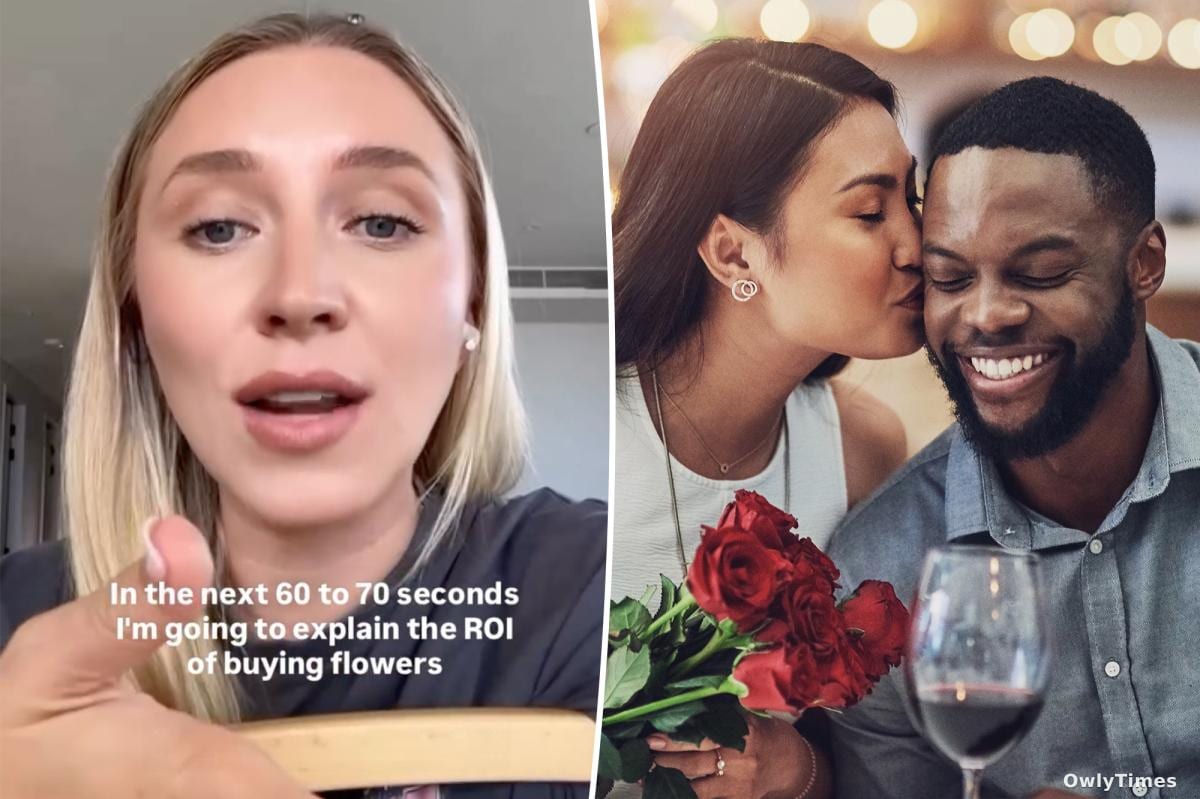
The Valentine’s Day industrial complex is a well-documented phenomenon, but a recent viral video from dating coach Margarita Nazarenko offers a particularly cynical – and fascinating – twist. Nazarenko, host of the popular podcast Becoming Her, didn’t offer a sentimental plea for romantic gestures. Instead, she delivered a “bro science” breakdown of why men should view flower purchases as a strategic investment, complete with a projected return on investment (ROI). This isn’t simply about flowers; it’s a revealing snapshot of how transactional thinking is increasingly infiltrating the realm of relationships, and the anxieties driving that shift. The video, intended for a female audience to share with their partners, has sparked a significant conversation – and a backlash – highlighting a growing tension in expectations around courtship and affection.
See the original news.com.au story for the full account.
Background & Context: From Grand Gestures to Gamified Affection
The idea of quantifying romance isn’t new. Self-help books have long offered advice on “love languages” and strategies for maintaining relationships. However, Nazarenko’s approach represents a distinct departure from earlier frameworks. Where previous advice focused on understanding emotional needs, she frames affection as a calculated exchange. This shift aligns with broader trends in the dating landscape, heavily influenced by social media and the gamification of connection. Dating apps, with their emphasis on profiles and algorithms, have arguably encouraged a more performative and strategic approach to finding partners.
Furthermore, the rise of “masculinity coaches” and online communities focused on male self-improvement has created a parallel discourse, often emphasizing efficiency and “winning” in relationships. Nazarenko’s use of “bro science” – a deliberately reductive and data-driven style – directly appeals to this mindset, translating emotional needs into quantifiable metrics. The fact that the video resonated so strongly, prompting calls for translation into multiple languages, suggests a widespread recognition of this transactional dynamic, even if many find it unsettling. The cost breakdown – $40 to $80 for flowers with a three-to-seven-day impact – is particularly telling, reducing a traditionally symbolic gesture to a simple cost-benefit analysis.
Decoding the “ROI” of Affection: Psychological Levers and Social Signaling
Nazarenko’s analysis hinges on several key psychological principles. She argues that flowers create “multiple positive mental impressions,” functioning as “low-cost brand reinforcement.” This taps into the power of associative learning, where repeated positive experiences strengthen feelings towards the source. The emphasis on “emotional credit” and its ability to “compound over time” is a clever framing of the concept of building trust and goodwill.
Crucially, Nazarenko also highlights the social signaling aspect. A woman sharing a photo of flowers online subtly communicates her value to other men, triggering “perceived competition” and, according to Nazarenko, increasing attachment. This is a particularly astute observation, acknowledging the inherently social nature of romantic relationships and the role of external validation. The suggestion to give flowers on a “random Tuesday” – not out of obligation, but “intention” – is designed to maximize the impact, creating a sense of unexpected delight and reinforcing the perception of thoughtfulness. The annual cost of $360, she argues, is less than many people spend on forgettable items, framing the investment as a rational and worthwhile expense.
What This Means: Shifting Expectations and the Erosion of Spontaneity
The viral success of Nazarenko’s video, coupled with the mixed reactions it provoked, reveals a significant tension. For some women, it’s a welcome articulation of their needs, a practical guide for communicating expectations to partners. The enthusiastic comments thanking Nazarenko for her “PSA” demonstrate a desire for clarity and directness in relationships. However, the criticism – that a man needing such a video isn’t “the one” – points to a deeper concern: the erosion of genuine spontaneity and emotional intelligence.
This approach risks reducing romance to a formula, potentially stifling authentic connection. It also raises questions about power dynamics. Is this empowering women by giving them a tool to influence their partners, or is it reinforcing the idea that affection must be earned through strategic manipulation? For men, the video could be interpreted as a cynical playbook, potentially leading to performative gestures devoid of genuine feeling. The implications for the floral industry are obvious – a potential boost in sales driven by calculated romance – but the broader impact on relationship dynamics is far more complex.
Looking Ahead: The Future of Calculated Connection
The conversation sparked by Nazarenko’s video isn’t likely to subside. We should expect to see further attempts to quantify and optimize romantic behavior, driven by the increasing influence of data-driven thinking and the pressures of modern dating. The key question is whether this trend will lead to more fulfilling relationships or further exacerbate feelings of insecurity and transactionalism.
Readers should watch for how this “ROI of affection” framework expands to other areas of relationships – gift-giving, date planning, even emotional support. Will we see more “life hacks” for maximizing relationship satisfaction? And, perhaps more importantly, will there be a counter-movement emphasizing the importance of vulnerability, authenticity, and the unpredictable magic of genuine connection? The future of romance may well depend on the balance between calculated strategy and heartfelt spontaneity.