
Beyond Awareness Ribbons: Why Free Screenings Matter in Missouri’s Rural Healthcare Landscape
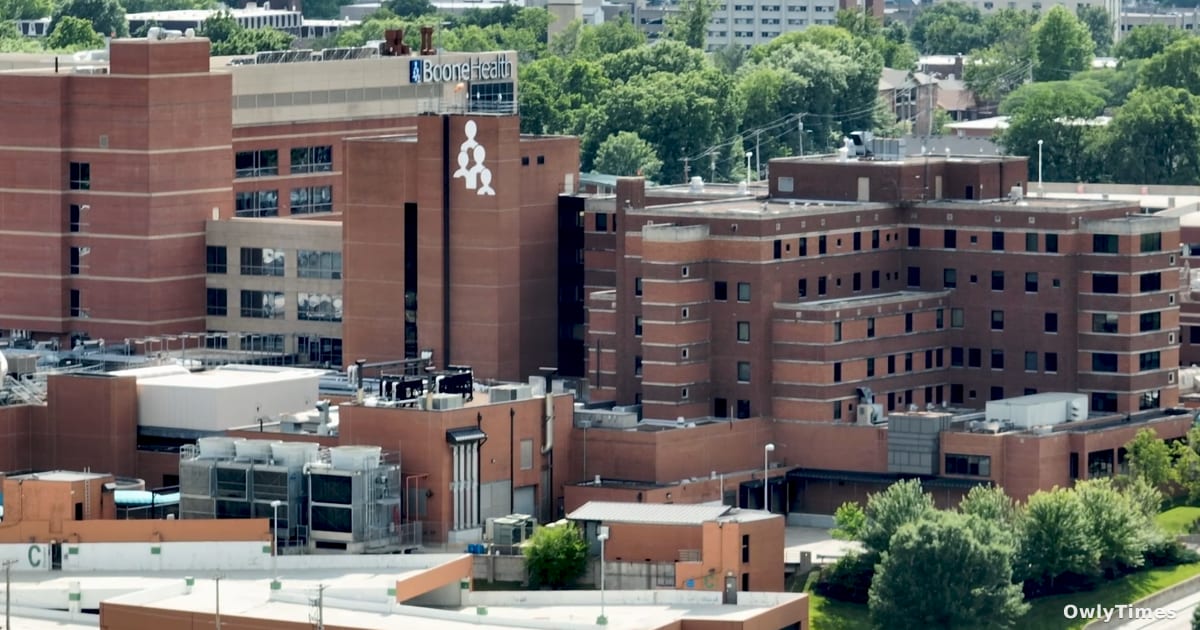
February’s cascade of red ribbons and heart-shaped candies often feels like a symbolic gesture, a yearly reminder of cardiovascular health that fades with the calendar. But the proactive step taken by the Boone Health Community Wellness team – offering free heart-healthy screenings across central Missouri – represents something more substantial: a targeted effort to address a growing disparity in preventative care, particularly in areas where access to consistent healthcare is limited. While headlines might tout “free health screenings,” the real story lies in where these screenings are happening and what the immediate results actually mean for individuals who might otherwise go years without a check-up. This isn’t simply about identifying existing heart disease; it’s about catching risk factors before they escalate, and the strategic placement of these events suggests a keen awareness of the challenges facing rural Missouri communities.
Drawn from komu.com.
The screenings themselves are straightforward, focusing on two key indicators: blood pressure and A1C levels. Blood pressure, measured in millimeters of mercury, provides a snapshot of the force against artery walls, with consistently high readings indicating hypertension – a major risk factor for heart attack and stroke. A1C, on the other hand, offers a three-month average of blood sugar levels, crucial for identifying pre-diabetes and diabetes, conditions that significantly increase cardiovascular risk. The value of these tests isn’t in their novelty, but in their accessibility. Nationally, nearly 20% of adults have undiagnosed hypertension, and an estimated 8.5 million Americans have diabetes without knowing it. These figures are often higher in rural areas, where specialist access is limited and preventative care is often deprioritized due to economic constraints or transportation barriers. Boone Health’s initiative, offering immediate results and consultation with certified staff, bypasses these hurdles.
The schedule of screenings – spanning from February 24th to March 4th, and even extending to March 19th at the ARC in Columbia – reveals a deliberate focus on smaller, more rural counties. Locations like Fulton, Mexico, Centralia, and Fayette are included alongside Columbia, indicating a commitment to reaching populations beyond the urban center. Screenings will be held at familiar community hubs – city halls, county courthouses, recreation centers, and health departments – further lowering the barrier to entry. Boone Health staff will be present at Nifong Medical Plaza (Feb 24, Feb 28), the Callaway County Health Department (Feb 24), Mexico City Hall and the Audrain County Courthouse (Feb 25), the Centralia Recreation Center (Feb 25), the ARC in Columbia (Feb 25, 26, March 19), the Howard County Health Department in Fayette (Feb 26), and the 4-H Building in Mexico (March 4). The timing, coinciding with the end of Heart Health Month, is strategic, capitalizing on increased public awareness while providing a concrete action step.
However, it’s crucial to acknowledge the limitations of this initiative. While the screenings offer valuable data points, they are not a comprehensive cardiovascular assessment. They don’t, for example, measure cholesterol levels or assess family history – both critical components of risk evaluation. Furthermore, the success of the program hinges on follow-through. Identifying individuals with elevated blood pressure or A1C levels is only the first step; ensuring they connect with a healthcare provider for further evaluation and potential treatment is paramount. Boone Health states nurses will provide options for seeing a provider, but the logistical and financial challenges of accessing ongoing care remain significant for many in these communities. A single screening, while beneficial, cannot replace consistent primary care.
Looking ahead, the data collected from these screenings will be invaluable. Boone Health can use this information to identify specific areas of need within the region and tailor future preventative programs accordingly. More importantly, this initiative should prompt a broader conversation about systemic barriers to healthcare access in rural Missouri. Will these screenings lead to increased demand for primary care services, and if so, are there sufficient resources to meet that demand? Will the identified risk factors translate into measurable improvements in cardiovascular health outcomes over time? The true impact of this program won’t be known for years, but the immediate provision of accessible screenings represents a vital step towards a more equitable and proactive approach to heart health in central Missouri. The question now is whether this localized effort can serve as a model for broader, statewide initiatives.