
From Avoiding Blood to Building a $20 Million Mission: The Rise of Angela Cauley
$20 million. That’s the estimated valuation of Coalescence, the custom ingredient manufacturer founded by Angela Cauley and her husband, Ian Blount, before its sale in 2021. But the story isn’t about a quick exit; it’s about a pivot born from aversion – a future doctor’s distaste for the sight of blood leading to a career reshaping the food supply chain and, ultimately, addressing global food insecurity. Follow the money, and you’ll find a consistent thread: Cauley’s trajectory demonstrates how personal preferences, coupled with strategic business acumen, can unlock significant market opportunities and social impact.
See the original cals.ncsu.edu story for the full account.
Cauley’s initial path, dictated by parental expectations, pointed towards medicine. However, a visceral reaction to the realities of healthcare – “I don’t like blood,” she plainly stated – prompted a reevaluation. This wasn’t a rejection of science, but a redirection. A summer internship at Abbot Laboratories (formerly Ross Laboratories) revealed the burgeoning field of food science, a space where scientific rigor could be applied without the direct confrontation of illness and injury. This shift, occurring during her undergraduate studies at The Ohio State University, represents a crucial early investment in a field poised for growth. The global food ingredient market, currently valued at over $225 billion, has seen a consistent 5-7% annual expansion over the past decade, driven by demand for processed foods and specialized dietary needs.
The foundation for Cauley’s success wasn’t solely technical expertise, but a deliberate cultivation of diverse perspectives. Her master’s program at NC State University’s College of Agriculture and Life Sciences exposed her to a multicultural cohort of female scientists. This experience, she notes, instilled an appreciation for varied viewpoints – a principle she later embedded within Coalescence’s corporate culture. This emphasis on diversity isn’t merely a matter of social responsibility; studies consistently demonstrate that companies with diverse leadership teams experience a 19% higher revenue due to innovation. Cauley recognized this correlation early, translating a personal value into a competitive advantage.
Coalescence, launched in 2008 with Blount’s agricultural economics expertise, didn’t chase the highest-margin segments of the food industry. While serving established players like Wendy’s, T. Marzetti, and Kellogg’s, the company carved a niche in vitamin premixes for therapeutic foods. This strategic decision, prioritizing social impact alongside profit, allowed Coalescence to partner with NGOs like the World Food Program, the Global Alliance for Improved Nutrition, and the World Health Organization. This is where the $20 million valuation becomes more than just a financial figure. It represents a successful business model capable of scaling solutions to address a critical global challenge: malnutrition. The therapeutic food market, while smaller than the overall food ingredient sector, is experiencing rapid growth, fueled by increased awareness of micronutrient deficiencies and the need for targeted nutritional interventions.
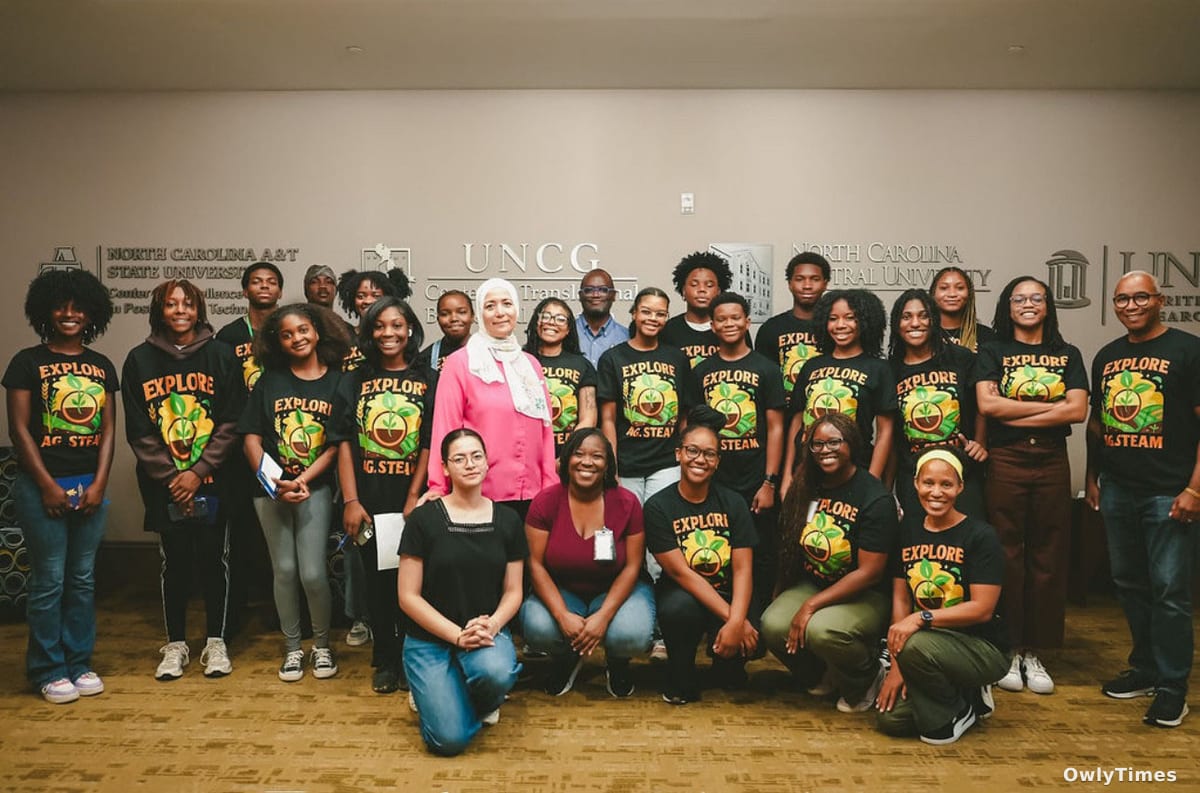
However, the story doesn’t end with the sale of Coalescence. Cauley and Blount reinvested their capital and expertise into the George Washington Carver Food Research Institute, a nonprofit founded in 2013. This pivot from for-profit entrepreneurship to philanthropic education highlights a long-term vision. The Institute, partnering with institutions like North Carolina A&T University and Tuskegee University, focuses on expanding access to agricultural education for teenagers. This isn’t simply altruism; it’s a strategic investment in the future workforce. The food and agriculture sector faces a growing skills gap, with a projected shortage of 70,000 qualified professionals by 2025. By inspiring the next generation of food scientists, Cauley is addressing a critical industry need while furthering her mission of improving global food systems.
What this means for your wallet: Cauley’s story isn’t just about a successful entrepreneur; it’s a case study in how values-driven businesses can thrive. Consumers are increasingly demanding transparency and social responsibility from the brands they support. Companies that prioritize ethical sourcing, sustainable practices, and community engagement are gaining market share. Watch for a continued rise in “impact investing” – where financial returns are measured alongside social and environmental benefits – and a growing premium placed on products with a demonstrable positive impact. The question now is: will other food manufacturers follow Coalescence’s lead and integrate social purpose into their core business models, or will they risk being left behind by a changing consumer landscape?





