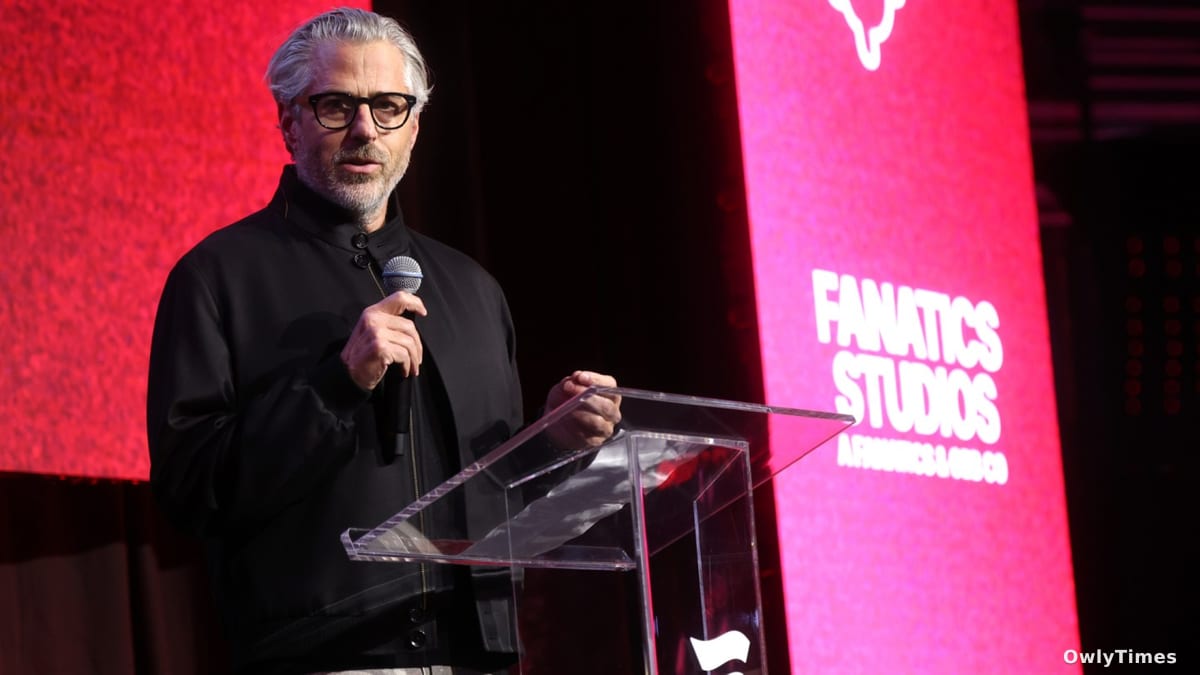

The Wasserman Crisis: Beyond PR, a Test of Power and Priorities
The revelation of 2003 emails between Casey Wasserman and Ghislaine Maxwell has triggered a crisis extending far beyond a simple public relations headache. While the Los Angeles Olympics Committee swiftly offered a vote of confidence, signaling a desire to protect the 2028 Summer Games, the fallout threatens to expose deeper fissures within Wasserman’s sprawling entertainment and sports empire. This isn’t merely about past associations; it’s a pressure test revealing where power truly lies in Hollywood and how readily stakeholders will prioritize reputation over relationships – and profits. The speed with which artists began publicly distancing themselves from Wasserman, with over 20 voicing discontent, is a stark indicator of a shifting dynamic in the talent representation landscape.
See the original The Hollywood Reporter story for the full account.
Background & Context: From Sports Dominance to Hollywood Expansion
Wasserman’s firm built its reputation as a powerhouse in sports representation, managing athletes across basketball, baseball, hockey, and the NFL. This foundation allowed for significant expansion, culminating in the 2021 acquisition of Paradigm’s North American music business. This move was intended to establish a significant foothold in the music industry, but it also brought a different set of client expectations and sensitivities. The current crisis highlights the tension inherent in this expansion: a company historically defined by its close ties to the often-insular world of professional sports now finds itself under intense scrutiny for associations that are anathema to many in the artist community. The involvement of private equity firms RedBird Capital and Madrone Capital Partners – later replaced by Providence Equity Partners due to conflicts of interest stemming from their ownership of sports teams – underscores the financial complexities and potential vulnerabilities within the company’s structure. This represents a shift from a privately controlled entity to one increasingly accountable to external investors with their own risk assessments.
The Internal Revolt and the Providence Factor
The public rebuke from artists like Abby Wambach, who stated she was “following my gut and my values,” is particularly significant. Wambach’s departure, while individually notable, signals a potential domino effect. The fact that some agents within Wasserman are advising clients to publicly address the issue is a remarkable act of internal dissent, suggesting a loss of faith in the firm’s leadership and a willingness to prioritize client concerns over company loyalty. This is not simply a matter of social media posturing; it’s a calculated risk by agents seeking to protect their own reputations and retain clients. The role of Providence Equity Partners is a critical, yet opaque, element of this crisis. Reports suggest the firm is applying pressure on Wasserman regarding the artist revolt, raising the question of whether they will ultimately prioritize financial stability over maintaining the current structure. Their investment in November 2022 was intended to fuel growth, but a sustained exodus of talent could severely undermine that objective. The lack of comment from both Providence and Wasserman only amplifies the speculation.
What This Means: Stakeholder Implications and Shifting Power Dynamics
The implications of this crisis are far-reaching. For the LA28 Olympics Committee, the immediate concern is reputational damage and potential disruption to fundraising efforts. While the committee’s internal review cleared Wasserman of wrongdoing beyond previously known associations, the continued calls for his resignation from city officials demonstrate the political pressure he faces. For Wasserman himself, the crisis threatens his carefully cultivated image as a powerful and influential figure. The potential loss of athletes, even a small percentage, could significantly impact the firm’s revenue stream, particularly given the lucrative nature of sports representation. Rivals like CAA, WME, UTA, and IAG are undoubtedly poised to capitalize on the instability, actively seeking to recruit disaffected clients. Perhaps the most significant consequence is the emboldening of talent. The willingness of artists to publicly challenge their representation firm demonstrates a growing awareness of their own power and a demand for greater accountability from industry leaders. This represents a shift from the traditional, often hierarchical, relationship between talent and agency.
Looking Ahead: Uncertainty and Potential Scenarios
The coming weeks will be crucial. The key question is whether the artist and athlete defections will remain isolated incidents or escalate into a broader exodus. Gavin Newsom’s carefully noncommittal response suggests he is weighing the political ramifications of taking a firm stance, and his eventual involvement – or lack thereof – could significantly influence the narrative. We should watch for further statements from Providence Equity Partners, as their actions will likely dictate the firm’s future direction. A potential scenario involves Wasserman sacrificing the music division to appease investors and retain his core sports business. Another possibility is a protracted period of damage control, with Wasserman attempting to weather the storm through strategic PR and client retention efforts. Ultimately, this crisis serves as a stark reminder that even the most powerful figures in Hollywood are not immune to the consequences of their past associations, and that the evolving dynamics of the entertainment industry are increasingly prioritizing transparency and accountability.

