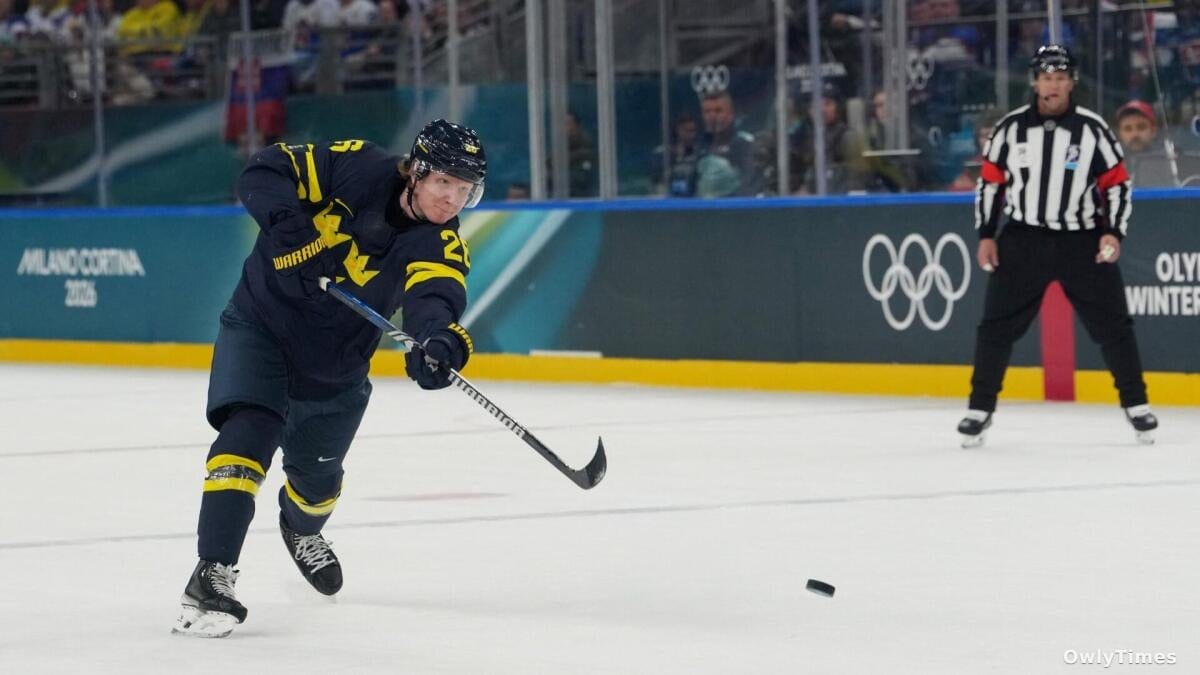

The pre-dawn chill in Milan felt different this Tuesday. Not just the February cold seeping into the stands of the Olympic ice rink, but a nervous energy humming through the crowd as Italy faced off against Switzerland. It wasn’t the glamour matchup everyone anticipated, but for a nation that rarely contends for hockey glory, simply being in the playoff round of the 2026 Winter Olympics felt monumental. But beyond the immediate stakes of this game, and the entire tournament, lies a fascinating shift in how we consume and predict sports, a shift increasingly reliant on algorithms and the track records of individuals like Matthew Severance.
The Olympic men’s hockey playoff is officially underway, with Canada entering as the clear favorite at -140, followed closely by the United States at +180. Tuesday’s matchups – Italy vs. Switzerland, France vs. Germany, Denmark vs. Czechia, and Latvia vs. Sweden – set the stage for a week of high-stakes hockey culminating in the gold medal game on Sunday. But the odds, while informative, are only part of the story. This year, the narrative isn’t just about national pride or athletic prowess; it’s about the rise of specialized sports prediction and the value placed on demonstrable, data-backed expertise.
That’s where Severance comes in. He’s not a former player, a coach, or a broadcaster. He’s a statistical anomaly, a predictor who boasted a 235-155-21 record (and a $2,022 profit) in the NHL last season, and entered the Olympic break riding a 26-12 streak on money-line picks, netting a $1,326 return for every $100 wagered. In a world saturated with hot takes and gut feelings, Severance represents a new breed of sports analyst – one who lets the numbers do the talking. His current focus? The Olympic playoff rounds, and he’s already sharing his best bets exclusively at SportsLine.
Severance’s initial pick – backing Under 6.5 total goals in the Latvia vs. Sweden matchup – isn’t about predicting a thrilling offensive showcase. It’s a calculated assessment of game psychology. He points to the five contests between these nations since the 2022 Olympics, four of which saw fewer than 6.5 goals, averaging just five combined. “There is no need to be pushing hard up three goals or the like in the third period,” he explained, recognizing that the playoff format prioritizes winning over dominating. This isn’t about artistry; it’s about efficiency. It’s a pragmatic approach that reflects a broader trend in modern sports – the de-emphasis of spectacle in favor of strategic optimization. The odds reflect Sweden as massive favorites (-1050), but Severance’s pick isn’t about who wins, but how they win, and how that impacts the scoring.
Drawn from CBS Sports.
The implications extend beyond individual bets. The increasing reliance on data-driven prediction is reshaping the relationship between fans, athletes, and the sports industry itself. Platforms like FanDuel and Kalshi are actively courting this audience, offering bonus bets and trading opportunities tied to these predictions. The availability of these tools, and the success of figures like Severance, are democratizing access to sophisticated analysis, but also raising questions about the role of chance and the potential for algorithmic bias. Is the thrill of the unpredictable diminishing as sports become increasingly predictable?
This isn’t simply about winning money; it’s about a fundamental shift in how we experience sports. We’re moving from a culture of passionate fandom to one of informed speculation, where the pursuit of an edge – whether through statistical analysis or access to exclusive predictions – is paramount. As the 2026 Winter Olympics hockey tournament progresses, keep an eye not just on the scores, but on the growing influence of the data scientists and predictors who are quietly reshaping the game. Will Severance’s success continue? And more importantly, will this trend towards data-driven sports analysis ultimately enhance or erode the magic of the Olympic spirit?