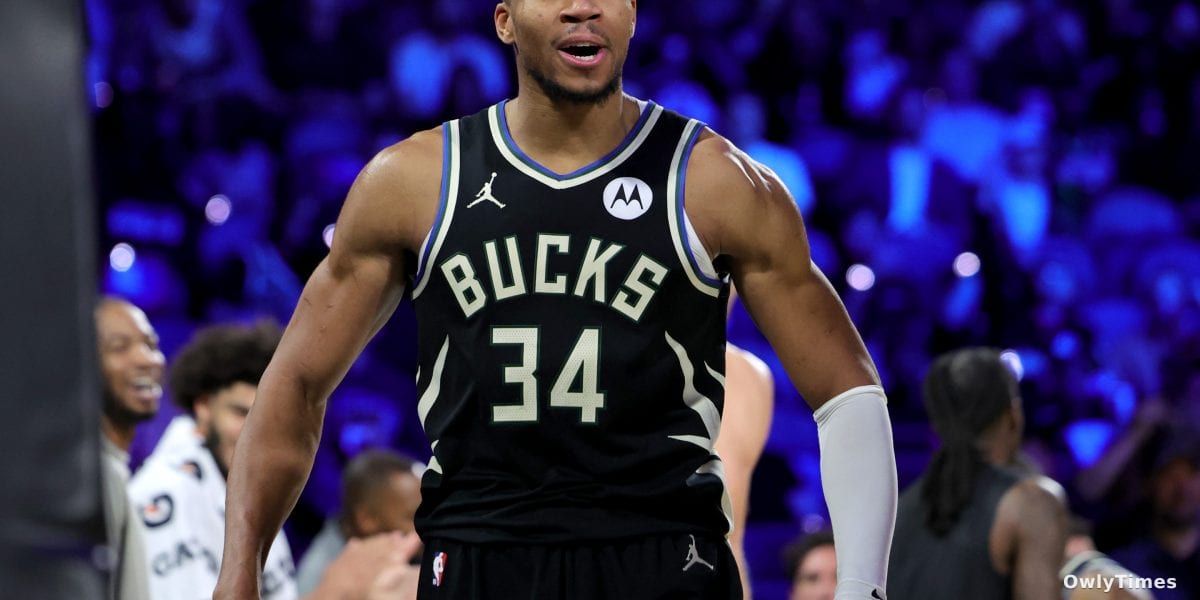

The air in the Fiserv Forum crackled with a different kind of tension on February 5th. It wasn’t just the usual playoff pressure hanging over the Milwaukee Bucks as the NBA trade deadline loomed. It was the quiet hum of $23 million changing hands on Kalshi, the prediction market platform, as users wagered on whether Giannis Antetokounmpo would be traded. The sheer volume of money – a figure exceeding some small-town municipal budgets – spoke to a fever pitch of speculation, a collective breath held waiting to see if the league’s most dominant player would be moved. But the real shock wasn’t if he’d be traded, it was what happened the very next day: Giannis Antetokounmpo announced he was investing in the platform fueling the frenzy.
The timing, as Melinda Roth, a professor of business, finance, and sports law at Washington and Lee University, points out, is the core of the issue. “The timing really puts a spotlight on how prediction markets work, who is allowed to buy contracts, and who has inside information.” It wasn’t simply a star player taking an equity stake; it was a star player profiting from the very speculation surrounding his own future, a move that ignited a firestorm of accusations online. Fans felt manipulated, questioning whether the trade rumors were deliberately stoked to drive traffic – and profits – to Kalshi. Antetokounmpo has remained silent publicly, but the damage to his image, and to the perception of integrity within the league, is palpable. This isn’t just about a single investment; it’s about the blurring lines between athlete, investor, and potential beneficiary of speculation.
Source material: Fortune.
This incident isn’t happening in a vacuum. The rise of prediction markets like Kalshi and Polymarket – which saw a staggering $1.2 billion in trading volume over Super Bowl weekend – represents a fundamental shift in how we think about forecasting and risk. Once a niche corner of the financial world, these platforms gained mainstream traction after correctly predicting outcomes in the 2024 election, even as traditional polls faltered. The success has attracted high-profile figures like Donald Trump Jr., a strategic advisor to Kalshi, and now, one of basketball’s biggest stars. But this mainstreaming comes with a growing unease, particularly as these markets increasingly intersect with the already volatile world of sports betting. The stakes are rising, and the potential for conflict of interest is becoming increasingly difficult to ignore.
The $11 billion valuation of Kalshi translates to a potential $110 million investment for Antetokounmpo, a “miniscule investment” according to NBA Commissioner Adam Silver. Yet, that dismissal feels tone-deaf in a league already reeling from a series of betting scandals. Just last October, Terry Rozier of the Miami Heat faced charges related to illegal sports betting, and in 2024, Jontay Porter received a lifetime ban for manipulating games to influence wagers. These incidents, alongside similar controversies in MLB and the NFL, highlight a systemic vulnerability. Jay Zagorsky, a professor at Boston University, succinctly captures the current predicament: “We let a genie out of the box and we don’t know what that genie is going to do.” The genie, in this case, is the accessibility of prediction markets, coupled with lax regulation and a growing appetite for risk.
The legal battle brewing between states and prediction markets further complicates the landscape. Nineteen lawsuits have been filed against Kalshi, with states arguing that it operates as “unlicensed sports gambling.” This clash underscores a fundamental disagreement about how these markets should be regulated. While traditional sportsbooks are governed at the state level, prediction markets fall under the purview of the Commodity Futures Trading Commission (CFTC), a federal agency. Michael Selig, the Trump-appointed chair of the CFTC, fiercely defends the industry, arguing that it “provide[s] useful functions for society by allowing everyday Americans to hedge commercial risks.” But this defense rings hollow to states concerned about protecting their gambling revenue and ensuring fair play. The playful question posed by Damian Lillard to Antetokounmpo after winning the 3-point contest – “Did you place a … on Kalshi?” – speaks volumes about the normalization of this entanglement, and the growing need for clear boundaries.
The Antetokounmpo situation isn’t just a scandal; it’s a harbinger. It forces us to confront a critical question: as athletes increasingly become investors in platforms that profit from speculation about their own performance and futures, how do we safeguard the integrity of the game, and the trust of the fans? Will the NBA, and other leagues, proactively establish stricter guidelines around athlete investments in prediction markets, or will they wait for the next scandal to erupt? The answer will determine whether this moment marks a turning point towards greater transparency and accountability, or a further erosion of faith in the sports we love.

