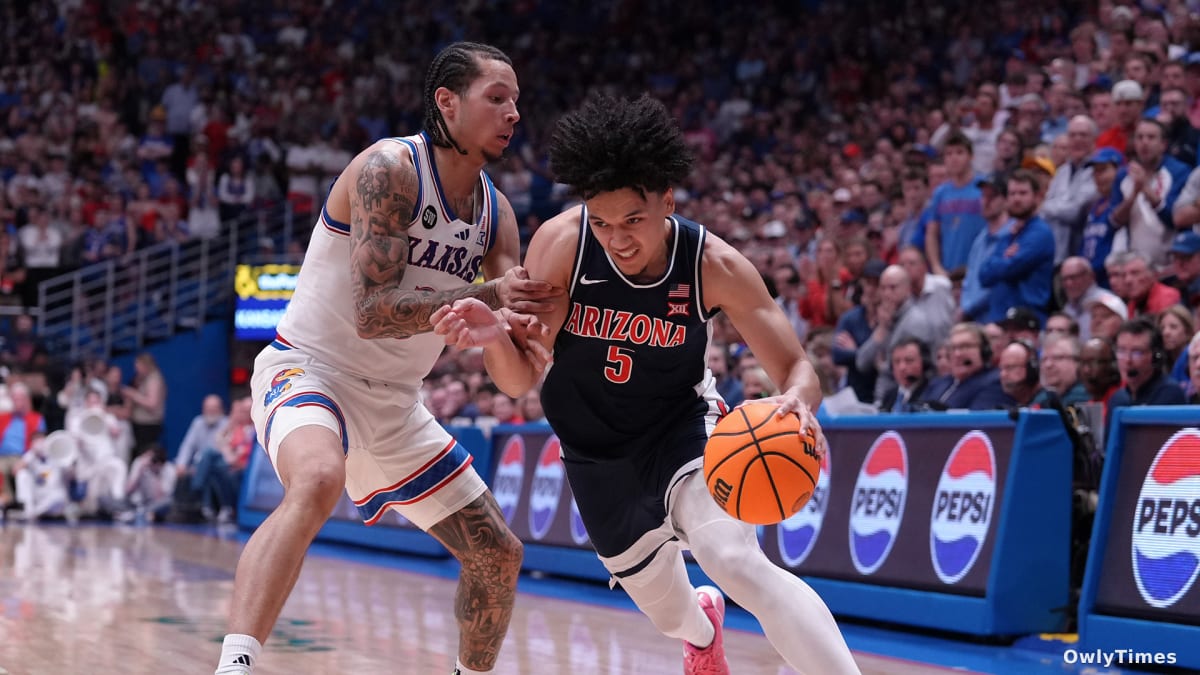

The air in Knoxville crackled with a nervous energy last Saturday, a tangible thing you could taste alongside the barbeque smoke drifting from tailgates. Not because of the game itself – a comfortable Tennessee win over Kentucky – but because of what it represented. This isn’t just about wins and losses anymore; it’s about proving something to the committee, to the doubters, to themselves. The Volunteers, after a season of tantalizing peaks and frustrating valleys, are staring down the barrel of a crucial final stretch, and Saturday’s matchup against Alabama isn’t just a game, it’s a statement opportunity. It’s a microcosm of the broader tension gripping college basketball right now: the relentless pursuit of March Madness relevance in a landscape increasingly defined by metrics, projections, and the ever-present specter of the transfer portal.
This penultimate weekend of the regular season is a pressure cooker, brimming with conference-shaping showdowns across the Big 12, ACC, and SEC, culminating in a poignant farewell for Gonzaga as they compete in their final regular-season game as a member of the West Coast Conference against Saint Mary’s. The stakes are high, the margins are thin, and the narratives are already being written – or, more accurately, rewritten with every possession. The experts at CBS Sports, including Gary Parrish, Matt Norlander, Kyle Boone, David Cobb, Isaac Trotter, and Cameron Salerno, have weighed in, offering their picks against the spread and straight-up, but even their confident predictions feel provisional, acknowledging the inherent unpredictability of this sport.
See the original CBS Sports story for the full account.
The Alabama-Tennessee game, set for 6 p.m. ET on ESPN, is particularly intriguing. Kyle Boone is taking Alabama +4, a contrarian pick in a building where the Vols are notoriously difficult to beat. This isn’t about dismissing Tennessee’s home-court advantage – it’s about recognizing Alabama’s recent surge, having won seven straight games. But Boone’s pick isn’t just about momentum; it’s a subtle acknowledgement of Tennessee’s inconsistency in SEC play, a team capable of brilliance but prone to lapses. The fact that five of the six experts are leaning towards Alabama straight-up speaks volumes. It’s a collective bet that Nate Oats’ squad, despite being the road team, has the firepower and composure to withstand the hostile environment. This isn’t just a basketball game; it’s a test of resilience, a battle of contrasting styles, and a crucial data point for the selection committee.
Beyond the headlines of bracketology and seedings, this game highlights a broader trend in college basketball: the increasing importance of experienced, cohesive teams. Alabama, built around a core of veteran players, is peaking at the right time. Tennessee, while talented, has struggled to find consistent chemistry throughout the season. This dynamic reflects a shift away from relying solely on one-and-done stars and towards prioritizing team-building and player development. The transfer portal, while offering opportunities for immediate improvement, can also disrupt team cohesion, creating a constant state of flux. The teams that navigate this landscape most effectively – those that can blend talent with continuity – are the ones most likely to make deep runs in March.
Down in Gainesville, the narrative is similar. No. 7 Florida hosts No. 20 Arkansas at 4 p.m. ET on ESPN, with the Gators holding a two-game lead in the SEC standings. Again, the experts overwhelmingly favor Florida to win outright, but Kyle Boone is among those predicting Arkansas to cover the +8 spread. He points to the emergence of Darius Acuff Jr. as a key factor, highlighting the Razorbacks’ ability to stay competitive even on the road. This pick isn’t necessarily about believing Arkansas will win, but about acknowledging their potential to make it a close contest. It’s a recognition that in a conference as competitive as the SEC, upsets are always lurking. The Razorbacks’ ability to keep the game within a respectable margin underscores the growing parity in college basketball, where the gap between the top teams and the contenders is shrinking.
And then there’s the quiet drama unfolding in the WCC. Gonzaga’s final regular-season game as a member of the conference, a 10:30 p.m. ET tip against Saint Mary’s, carries a weight beyond the simple outcome of a game. It’s a symbolic passing of the torch, a farewell to an era of dominance. For years, Gonzaga has been the undisputed king of the WCC, but Saint Mary’s has emerged as a legitimate challenger, threatening to disrupt the established order. This game isn’t just about winning a league championship; it’s about defining the future of the conference and signaling a potential shift in power.
What does all of this mean for the future of college basketball? The increasing emphasis on analytics, the relentless pursuit of talent through the transfer portal, and the growing parity across conferences are all reshaping the landscape. The teams that can adapt to these changes – those that can embrace data-driven decision-making, build strong team cultures, and navigate the complexities of the modern recruiting landscape – are the ones most likely to thrive. But beyond the strategic considerations, it’s the human stories that truly matter: the players striving to achieve their dreams, the coaches battling to build lasting legacies, and the fans who invest their hearts and souls into their teams. As we head into the final weeks of the regular season, and then the madness of March, keep an eye not just on the scores and the brackets, but on the narratives unfolding behind the scenes. Will the established powers maintain their grip on the game, or will a new generation of contenders emerge? That’s the question that will define the next chapter of college basketball.

