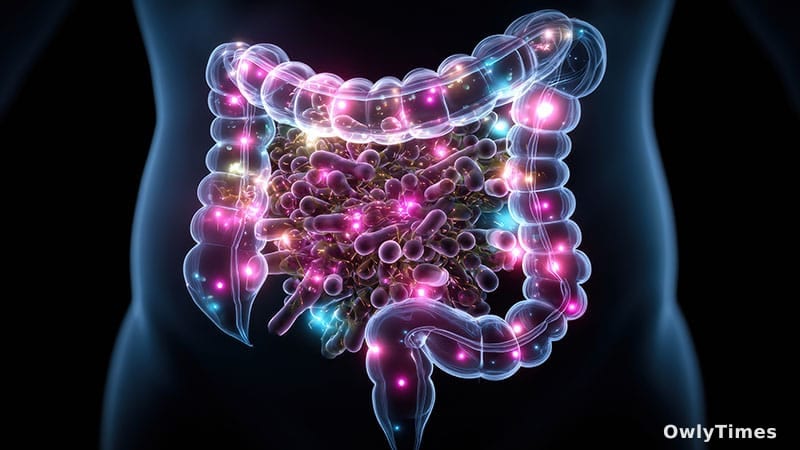

The persistent ache in your back might not originate in your spine at all. While orthopedic surgeons have long focused on the biomechanics of the musculoskeletal system, a growing body of research suggests a surprising connection between spinal health and the often-overlooked ecosystem within our gut. This isn’t simply a matter of “listening to your gut” in a metaphorical sense; emerging data indicates the composition of your gut microbiome – the trillions of bacteria, fungi, and other microbes residing in your digestive tract – can directly influence inflammation, disc health, and even recovery from spinal surgery. The implications for primary care are significant, urging a more holistic assessment of patients presenting with chronic back pain.
## The Gut-Brain-Spine Axis: A Newly Recognized Pathway
Amit Jain, MD, MBA, chief of Minimally Invasive Spine Surgery at Johns Hopkins Hospital, describes this field as “super interesting and emerging.” He explains the gut’s influence isn’t singular, but multifaceted. It impacts immune modulation and systemic inflammation, influences how we absorb nutrients, and, crucially, there’s evidence of bacterial translocation – bacteria moving from the gut to the spine itself. This isn’t to say bacteria are directly infecting spinal discs, but rather that the byproducts of gut microbial activity, and even the bacteria themselves, can contribute to a pro-inflammatory environment. This environment, fueled by an imbalanced gut, can then accelerate degenerative processes within the spine. It’s a concept rooted in the gut-brain-spine axis, where diet modulates gut microbiota, which then regulates inflammatory pathways affecting spinal tissues.
Recent research is beginning to solidify these connections beyond theoretical possibility. A study analyzing data from the Dutch Microbiome Project and the FinnGen clinical consortium identified 20 specific gut microbial taxa – essentially, types of bacteria – with significant associations to intervertebral disc disease. This isn’t simply correlation; researchers are moving towards establishing a causal relationship between gut health and spinal pathology. However, it’s vital to understand what this research doesn’t claim. Identifying associations doesn’t automatically translate to a cure or a simple probiotic fix. It’s a foundational step, revealing potential targets for future interventions.
See the original medscape.com story for the full account.
## How Imbalance Fuels Inflammation and Impairs Healing
The key culprit appears to be dysbiosis – an imbalance in the gut microbiome. Theresa J.C. Pazionis, MD, MA, spine surgeon and associate professor at Temple University, explains that dysbiosis promotes inflammation by releasing proinflammatory compounds. This leads to increased gut permeability, often referred to as “leaky gut,” allowing bacterial products like lipopolysaccharide to enter the bloodstream. These compounds then trigger systemic immune activation, reaching and affecting distant tissues, including the spine.
Pazionis highlights several specific ways this chronic, low-grade inflammation impacts spinal health: it can sensitize pain pathways, accelerate disc degeneration, negatively affect bone remodeling, and impair tissue healing. From a surgical perspective, she notes that patients with a higher inflammatory burden often experience more pain, slower recovery, and worse functional outcomes, even when their imaging scans appear similar to those of patients with lower inflammation. This suggests that traditional diagnostic tools may be missing a crucial piece of the puzzle. The impact extends beyond just pain; it affects the very ability of the body to repair itself after intervention.
## Weight, Lifestyle, and the Role of Probiotics
The interplay between weight, diet, and gut health further complicates the picture. Jain emphasizes that excess body weight, particularly at a BMI over 30, significantly impairs gait, spinal health, and posture due to increased mechanical loading and altered biomechanics. This mechanical stress, combined with a potentially dysbiotic gut microbiome, creates a vicious cycle of inflammation and degeneration. Fortunately, lifestyle interventions offer a pathway to disruption. Regular moderate exercise supports both gut microbiome balance and musculoskeletal health, while dietary changes can directly impact the composition of gut bacteria.
The question of probiotics is more nuanced. Jain points to some evidence suggesting that supplementation with Lactobacillus and Bifidobacterium species may support spinal and bone health by modulating gut microbiota, reducing inflammation, and enhancing mineral absorption. Pazionis adds that these strains have demonstrated benefits in reducing systemic inflammatory markers and supporting gut barrier integrity. However, both experts caution against viewing probiotics as a standalone solution. They are best considered adjunctive interventions, particularly useful for patients with chronic pain, metabolic syndrome, or inflammatory conditions. The current evidence is limited, and higher-quality studies are needed to determine optimal strains, dosages, and patient populations.
## Practical Recommendations and Future Directions
What does this mean for primary care physicians? Pazionis offers several practical, low-risk recommendations to suggest to patients: increase dietary fiber, ensure adequate protein intake, reduce ultraprocessed carbohydrates and sugars, encourage fermented foods (if tolerated), maintain hydration, prioritize adequate sleep, engage in regular physical activity, manage stress, and avoid unnecessary antibiotics. These are not radical departures from standard health advice, but framing them within the context of gut health and spinal wellbeing can empower patients to take a more proactive role in their care.
The next crucial research steps involve identifying specific microbial signatures associated with different spinal conditions, determining how these signatures respond to targeted interventions (dietary changes, probiotics, prebiotics), and ultimately, developing personalized strategies to optimize gut health for spinal health. We need to move beyond simply identifying correlations to understanding the mechanisms driving these connections. Will we see a future where stool samples are routinely analyzed alongside MRIs for patients presenting with back pain? It’s a possibility worth exploring, and the emerging science suggests it’s a question worth asking.





