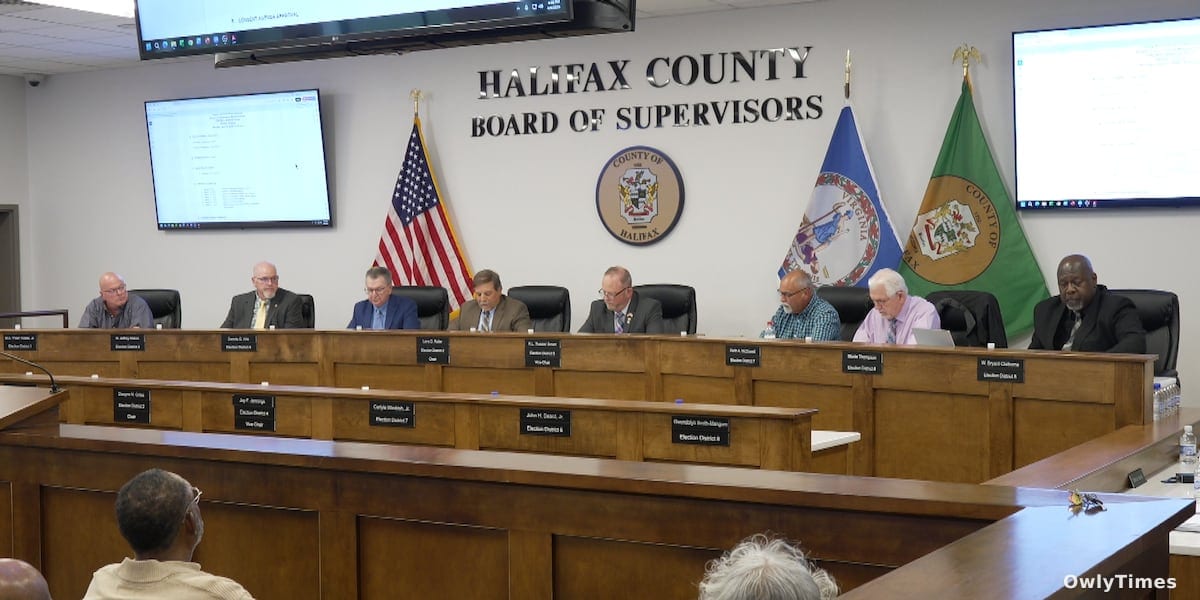

$3.3 million. That’s the estimated cost of the forensic audit completed in March for Halifax County, Virginia – a sum that, ironically, appears to be generating more questions than answers as the Board of Supervisors prioritizes document retrieval over addressing the audit’s core findings. The decision to postpone discussion of the audit, which detailed “multiple deficiencies” in county operations and record-keeping practices failing to meet state requirements, isn’t simply a procedural delay; it’s a calculated financial maneuver that reveals a deeper tension between transparency and expediency. Follow the money, and the picture becomes clear: Halifax County is facing imminent budget and tax-rate deadlines, and the Board appears to be prioritizing a quick fix – locating missing documents – over a potentially more costly, and politically damaging, independent review.
A Budget Under Pressure: The Timeline Dictates Strategy
The urgency stems from a rapidly approaching fiscal cliff. Halifax County must announce tax rates in the coming weeks, a process fundamentally reliant on a complete understanding of available funds and projected expenditures. Vice Chairman Robbie Smart’s motion to rehire former finance director Stephanie Jackson wasn’t presented as a solution to the audit’s systemic issues, but as a pragmatic response to a looming deadline. This is a critical distinction. While the audit flagged deficiencies in “formal policies and procedures,” the immediate threat isn’t non-compliance, but the inability to meet statutory obligations for budget certification. The $3.3 million audit, commissioned to ensure fiscal responsibility, is now being overshadowed by the immediate financial pressures it exposed. This prioritization is not uncommon; local governments frequently triage issues based on immediate legal or financial consequences, but the scale of the audit’s findings suggests a more comprehensive response is warranted.
See the original wdbj7.com story for the full account.
The Cost of Delay: Beyond the Audit Fee
The decision to defer audit discussion carries a hidden cost. One resident, quoted by WDBJ, rightly pointed out that missing documents aren’t simply an administrative inconvenience – they represent a “serious systematic issue” demanding independent scrutiny. Ignoring this warning, and instead focusing on internal recovery efforts led by Stephanie Jackson, introduces significant risk. An independent review, while potentially more expensive upfront, could uncover deeper issues and mitigate future financial liabilities. Consider the precedent: similar instances of financial mismanagement in other Virginia counties have resulted in state investigations, penalties, and long-term reputational damage. The potential cost of not addressing the systemic issues identified in the audit could easily dwarf the initial $3.3 million investment. The opposition from board members Pete Riddle and Bryant Claiborne to rehiring Jackson suggests a recognition of this risk, though their reasoning remains publicly unstated.
Transparency Claims Meet Procedural Reality
Supervisor Jeffrey Oakes’ assertion that the board is “as transparent as we can be” rings hollow given the timing of the vote to bring back Jackson – after many residents had already left the meeting. This procedural tactic, while not illegal, raises legitimate concerns about the Board’s commitment to open governance. The decision to postpone audit discussion, coupled with a late-night vote on a key personnel matter, creates the impression of a deliberate attempt to minimize public scrutiny. Halifax County’s general fund budget for fiscal year 2024 was approximately $140 million. While $3.3 million represents roughly 2.3% of that budget, the potential for mismanagement or fraud within that $140 million is what truly matters. The Board’s actions suggest a focus on containing the immediate fallout, rather than addressing the underlying vulnerabilities that allowed these deficiencies to occur.
What This Means for Your Wallet
Halifax County residents should be prepared for a potentially protracted period of uncertainty regarding their local finances. The Board’s current strategy – prioritizing document retrieval and delaying a full audit discussion – suggests a willingness to accept short-term risks to meet immediate deadlines. This approach could lead to a cycle of reactive fixes, rather than proactive reforms. Watch closely for the following: Will the Board commit to a timeline for a comprehensive review of the audit findings after the budget is finalized? And, crucially, will residents be given a clear, detailed explanation of the missing documents and the steps taken to ensure the integrity of the county’s financial records? The answer to these questions will determine whether Halifax County is truly moving “forward,” as Supervisor Oakes claims, or simply kicking the can down the road.