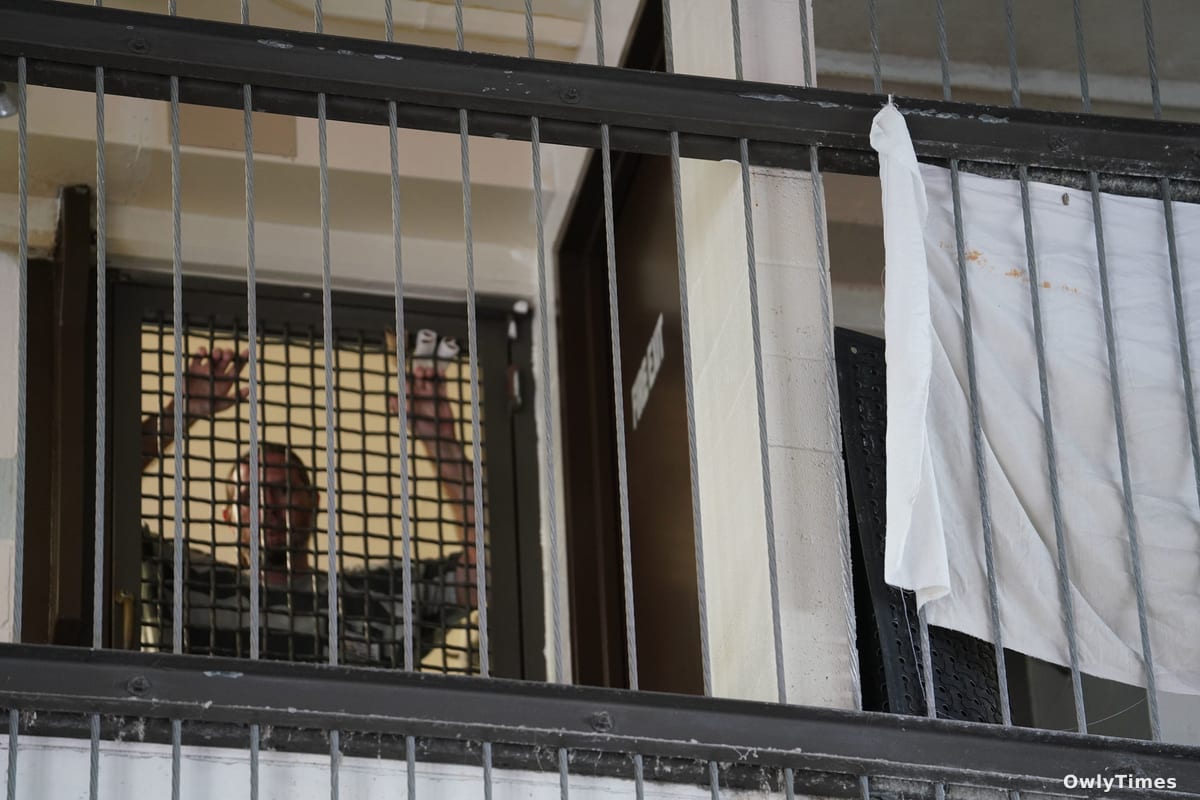

Hawaiʻi’s Crisis of Incarceration: A System Failing to Keep People Alive
The numbers are stark and deeply troubling. Confirmed or suspected suicides account for over half of all deaths at Hālawa Correctional Facility, Hawaiʻi’s largest prison, in the last two years. Statewide, these deaths represent a full third of all fatalities within the Hawaiʻi correctional system during 2024 and 2025. This isn’t simply a statistical anomaly; it’s a systemic failure demanding urgent attention. While discussions focus on funding for additional healthcare workers, the crisis reveals a deeper malaise within Hawaiʻi’s correctional system – one characterized by chronic understaffing, antiquated facilities, and a reactive, rather than proactive, approach to mental health. The situation isn’t just a matter of policy; it’s a humanitarian crisis unfolding behind bars.
Based on the original civilbeat.org report.
Background & Context: A History of Litigation and Neglect
Hawaiʻi’s struggle with in-custody deaths is not new. The state has faced repeated lawsuits over suicides in its prisons and jails, indicating a long-standing pattern of inadequate care. Last year’s independent inspection by national experts confirmed what many have long suspected: “atrocious” conditions for mentally ill inmates, coupled with insufficient staffing. This inspection wasn’t a surprise event; it was a direct result of ongoing legal pressure and advocacy efforts. The current push for $2.6 million in funding to hire 35 new healthcare workers, including psychiatrists and nurses, is directly tied to a settlement in a class action lawsuit filed in 2019. This illustrates a crucial point: improvements are often driven by legal mandates rather than proactive investment in inmate wellbeing. Nationally, the situation is markedly different. In 2019, the Department of Justice reported that suicides accounted for only 8% of all deaths in state and federal prisons, a figure dramatically lower than the 33-50% currently seen in Hawaiʻi. This disparity underscores the severity of the problem within the state’s system.
The Significance of the Numbers: Beyond Staffing Ratios
The data reveals a disturbing trend beyond just the high suicide rate. Drug overdoses, homicides, and suicides now account for half or more of all deaths in Hawaiʻi’s correctional system. This suggests a breakdown in security, a proliferation of contraband, and a failure to address the underlying issues driving these fatalities. While Director Tommy Johnson points to antiquated facilities and staffing shortages as contributing factors, the sheer volume of non-natural deaths indicates a more profound systemic issue. The fact that prisons, where inmates typically serve longer sentences, have a significantly higher suicide rate than jails – the opposite of the national trend – is particularly alarming. This suggests that the conditions within Hawaiʻi’s prisons are uniquely detrimental to mental health. Michele Deitch, director of the Prison and Jail Innovation Lab at the University of Texas, rightly points out that natural deaths usually dominate in-custody fatality statistics, making Hawaiʻi’s numbers “unusual.” The 28% vacancy rate for Adult Corrections Officers (ACOs), even without accounting for those on extended leave, further exacerbates the problem, leading to prolonged lockdowns and reduced access to essential programs.
What This Means: Implications for Stakeholders
The consequences of this crisis extend far beyond the incarcerated population. The state faces continued legal challenges and financial burdens associated with settlements and litigation. Correctional officers are forced to work in increasingly stressful and dangerous conditions, contributing to burnout and further exacerbating staffing shortages. The public bears the cost of a system that is demonstrably failing to rehabilitate and protect those in its care. For inmates’ families, the loss of a loved one to suicide or violence within the system is a devastating tragedy. The proposed solutions – a new assessment algorithm and biometric monitoring via ankle bracelets – raise ethical concerns about surveillance and the potential for further dehumanization. While intervention is crucial, relying solely on technology to address a fundamentally human problem is a short-sighted approach. Christin Johnson, the oversight coordinator, correctly emphasizes the importance of “out of cell time” – access to recreation, family visits, and programming – as a vital component of suicide prevention. This highlights the need for a holistic approach that prioritizes rehabilitation and mental wellbeing, not just crisis intervention.
Looking Ahead: A System on the Brink?
The immediate future hinges on the legislature’s response to Director Johnson’s funding request. While increased staffing is a necessary step, it’s not a panacea. The state must address the underlying issues of dilapidated facilities, inadequate training, and a culture that often prioritizes security over care. The pilot program utilizing the Falcon Technologies assessment tool warrants careful monitoring. Will it genuinely identify at-risk inmates, or will it simply add another layer of surveillance without addressing the root causes of their distress? The potential use of biometric ankle bracelets is particularly concerning, raising questions about privacy and the potential for misuse. The coming months will be critical in determining whether Hawaiʻi’s correctional system can begin to address this crisis, or if it will continue to spiral downward, becoming a symbol of systemic neglect and preventable tragedy. The state must move beyond reactive measures and embrace a proactive, humane approach to incarceration – one that prioritizes the wellbeing and dignity of all those within its care.