
The Strategic Logic of American Fracture: Why HBO’s “Neighbors” Hits a Nerve
The escalating animosity documented in HBO’s new docuseries, Neighbors, isn’t simply a collection of quirky disputes over property lines and noise complaints. It’s a meticulously observed case study in the unraveling of social cohesion, and its timing is deliberate. Directors Harrison Fishman and Dylan Redford didn’t stumble into this subject matter; they actively sought it out in 2019, recognizing neighborly conflicts as a microcosm of the broader societal fissures widening across the United States. The series, executive produced by Josh Safdie and Ronald Bronstein, isn’t about what Americans are fighting about, but why they’ve reached a point where even basic co-existence feels like a battle. This isn’t a cultural observation; it’s a strategic assessment of a nation increasingly defined by its inability to navigate disagreement.
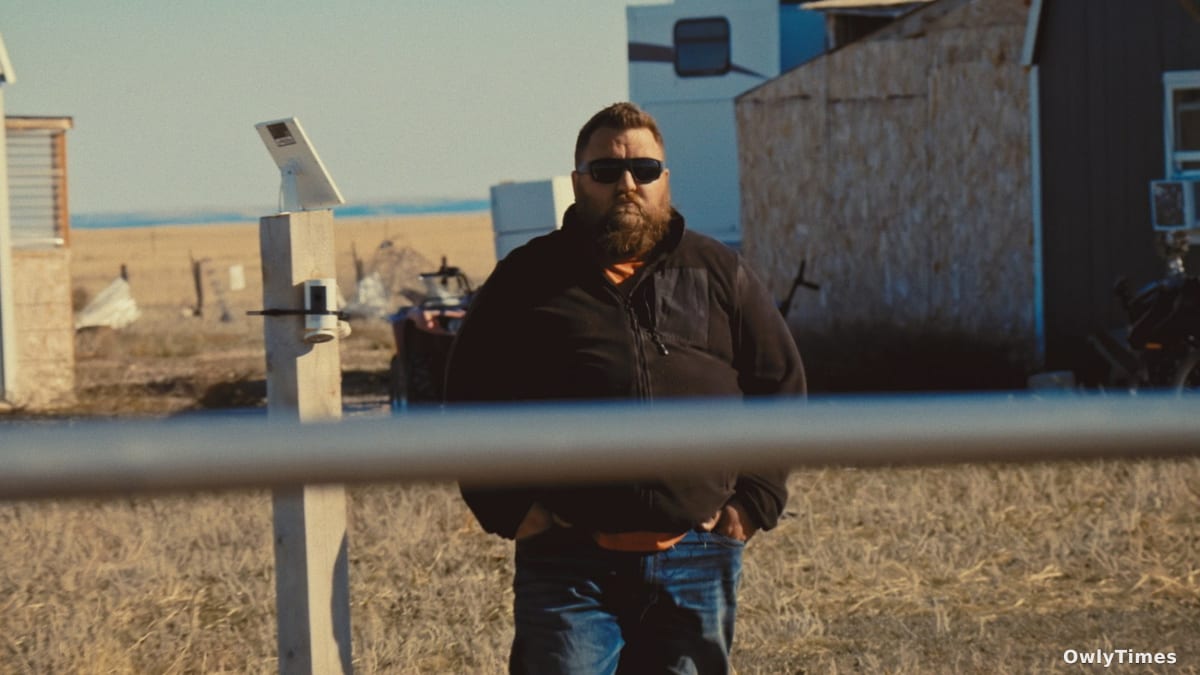
The core dynamic at play in Neighbors – exemplified by the feud between Seth Collins, a 9/11 truther and QAnon believer, and Josh Alspaw, a TikTok-famous blacksmith – is a breakdown of shared reality. Collins’ relocation to rural Montana in 2016, intending to build a self-sufficient “bug-out” location, initially represented a desire for autonomy, a common thread in contemporary American individualism. However, the arrival of Alspaw and his family, and the subsequent dispute over a road gate, quickly escalated into a multi-layered conflict fueled by differing values and amplified by social media. Alspaw’s TikTok videos, generating “hundreds of thousands, if not millions, of views,” demonstrate the economic incentive to stoke conflict, turning personal grievances into content. Who benefits and who loses here is immediately apparent: Alspaw monetizes the drama, while Collins feels his carefully constructed isolation threatened. But the larger loss is the erosion of any common ground.
Reporting from rollingstone.com informs this analysis.
This pattern isn’t new. Throughout American history, periods of rapid social and economic change have been accompanied by heightened local tensions. The late 19th and early 20th centuries, marked by mass immigration and industrialization, saw similar outbreaks of nativism and localized conflict, often centered around land use and resource allocation. Historian David Hackett Fischer’s work on “Albion’s Seed” demonstrates how deeply ingrained regional cultures and values continue to shape American social dynamics. Neighbors simply presents a contemporary iteration of this historical pattern, accelerated by the atomizing forces of the internet and the decline of traditional community institutions. The ubiquity of firearms, initially surprising to the filmmakers, now “just became part of the tapestry,” mirroring a historical trend of increased self-reliance and distrust in centralized authority, particularly in frontier regions.
The series’ deliberate avoidance of explicitly political framing is, paradoxically, its most astute political move. While Collins’ adherence to conspiracy theories and his MAGA hat are visible signifiers, the disputes themselves rarely hinge on partisan divides. This is crucial. By focusing on the micro-level – the gate, the fence, the shared wall – Neighbors reveals that the underlying problem isn’t necessarily what people believe, but their inability to engage with those who believe differently. The show’s subjects often retreat into echo chambers, reinforcing their own narratives and demonizing their neighbors. As Redford notes, this mirrors the trajectory of conspiracy theories themselves: a precipitating event, disagreement over its cause, and then a descent into self-confirming information loops. This isn’t about lizard people; it’s about the human tendency to prioritize narrative coherence over objective reality.
The intractability of these disputes is perhaps the most unsettling aspect of the series. Even when third parties – cops, city councils, even Judge Judy – intervene, resolutions are often superficial, failing to address the underlying emotional conflict. This reflects a broader crisis of legitimacy in American institutions. A 2023 Gallup poll revealed that public trust in major US institutions, including Congress, the presidency, and the media, remains near historic lows. This lack of trust fuels a sense of powerlessness and encourages individuals to take matters into their own hands, escalating conflicts rather than seeking resolution through established channels. The failed attempt by Fishman and Redford to unite Collins and Alspaw over a game of Dungeons & Dragons – a shared hobby – underscores this point: even common interests are insufficient to overcome deeply entrenched animosity.
The political chess move to watch next isn’t a legislative battle or a Supreme Court ruling. It’s the continued fragmentation of local communities and the further erosion of social capital. Will local governments and community organizations find ways to foster dialogue and rebuild trust, or will these micro-conflicts continue to metastasize, further fracturing the American social fabric? The answer, as Neighbors so powerfully demonstrates, will likely determine the future of American democracy.





