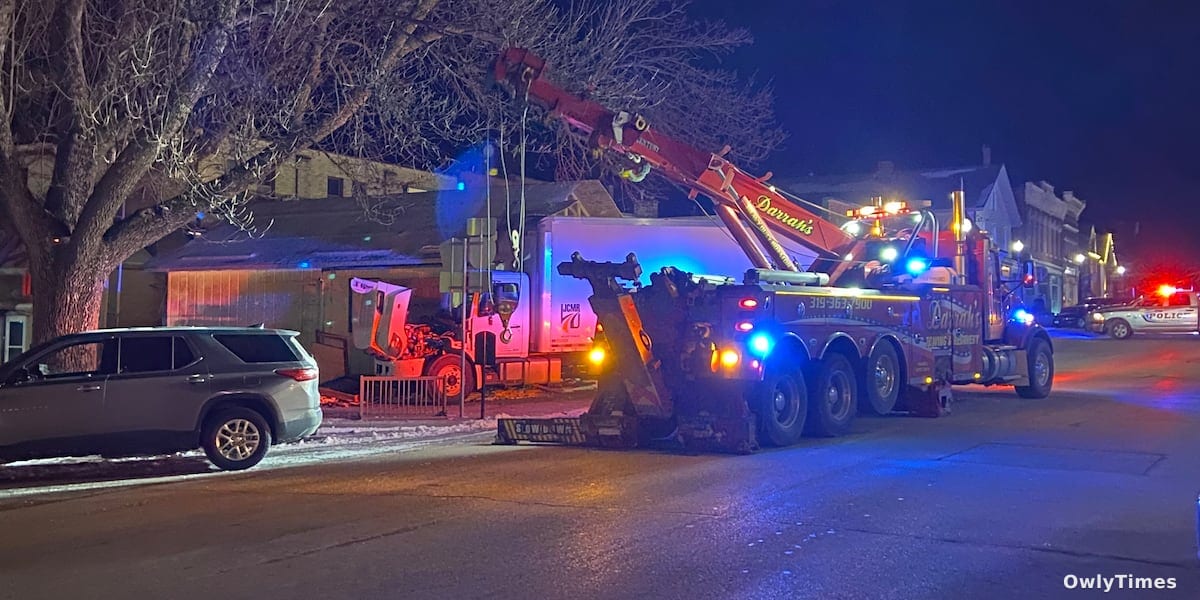

$35,000. That’s a conservative estimate of the damage inflicted on The Honey Den candy store in West Branch, Iowa, following a truck collision Friday night – a figure that, while not catastrophic for the broader economy, represents a potentially existential threat to a small business already operating on a tightrope. The incident, reported by KCRG, isn’t simply a local news item; it’s a microcosm of the escalating pressures facing Main Street America, where unforeseen disruptions can quickly unravel carefully laid plans and expose vulnerabilities in even the most optimistic business models. This isn’t about a single accident; it’s about the financial fragility of small businesses navigating a landscape of rising costs, limited margins, and increasingly unpredictable events.
Renovation Delays Amplify Financial Risk
The timing of the crash is particularly concerning. Tiffany Frederick, owner of The Honey Den, was already contending with renovations at her main location, operating temporarily from a space she can only secure until April. This pre-existing constraint transforms a repairable setback into a potentially crippling one. While the immediate cost of repairs – estimated at $35,000 based on comparable commercial property damage assessments – is significant, the real financial impact lies in the extended disruption to operations. A delay in reopening translates directly into lost revenue, and the looming April deadline for her temporary location adds a hard constraint. Industry data from the Small Business Administration shows that approximately 20% of small businesses fail within their first year, and unexpected events like this dramatically increase that risk, particularly when coupled with pre-existing logistical challenges.
Reporting from kcrg.com informs this analysis.
Community Support Can Only Go So Far
The outpouring of community support, as noted by Frederick and witnessed by Josie Moore, an employee at neighboring Polished & Handcrafted, is undoubtedly valuable. However, goodwill doesn’t pay for construction materials or lost sales. While social media sentiment and local encouragement can bolster morale, they don’t translate into quantifiable financial relief. The Honey Den’s reliance on community support highlights a broader trend: small businesses are increasingly dependent on local patronage, making them particularly vulnerable to localized economic downturns or disruptions. A 2023 study by the National Federation of Independent Business found that 72% of small business owners reported that a decline in local economic activity would have a significant negative impact on their business. This incident underscores that reliance.
The Hidden Costs of “Good Timing”
While Moore rightly points out the fortunate timing – no one was injured – framing the crash as “happening at a better time” obscures the underlying financial realities. The fact that the store was closed for renovations mitigated the potential for injury, but it did not mitigate the financial damage. In fact, it arguably increased it. With renovations underway, insurance coverage may be more complex, potentially leading to disputes over what is covered and what isn’t. Furthermore, the delay in reopening will likely push back the completion of the renovations, adding to the overall cost. This highlights a critical point often overlooked in discussions of business resilience: “good timing” is often a matter of degree, and even seemingly fortunate circumstances can have hidden financial consequences.
What This Means for Your Wallet
The situation at The Honey Den isn’t isolated. It’s a bellwether for the challenges facing small businesses nationwide. Increased supply chain disruptions, rising insurance premiums (commercial property insurance rates increased by an average of 18.8% in 2023, according to Marsh), and the constant threat of unforeseen events are creating a precarious environment. For consumers, this translates into fewer local options, potential price increases, and a diminished sense of community. The question isn’t if more small businesses will face similar challenges, but when. Watch for a rise in “GoFundMe” campaigns for local businesses in the coming months, and consider actively supporting your local Main Street – not just with words of encouragement, but with your spending. Will consumers prioritize convenience and lower prices from large corporations, or will they actively invest in the survival of their local economies? The answer will determine the future of towns like West Branch, Iowa.