
Beyond Endurance: What the Iditarod Reveals About Canine Athleticism
The question of what constitutes peak physical performance is often framed around human athletes, but the 2026 Iditarod sled dog race offers a unique lens through which to examine the limits of endurance, nutrition, and musculoskeletal health in a non-human species. While headlines focus on the spectacle of a 938-mile race across Alaska, the meticulous veterinary oversight – spearheaded by Erika Friedrich, owner of Royal Oak Veterinary + Urgent Care in Purcellville – reveals a surprisingly sophisticated understanding of canine physiology under extreme duress. This isn’t simply about dogs pulling sleds; it’s a real-world laboratory for studying the demands placed on a working animal and the strategies to sustain them.
What’s often lost in coverage of the Iditarod is the sheer metabolic shift these dogs undergo. Friedrich explains that a typical 50-pound sled dog, consuming around 1,000 calories daily in a sedentary lifestyle, requires a staggering 10,000 calories per day during the race. This tenfold increase isn’t merely about fueling activity; it’s about preventing the body from cannibalizing muscle mass to meet energy demands. The mushers, therefore, aren’t just drivers, but also nutritionists, constantly monitoring intake and hydration to maintain performance. This level of caloric expenditure is comparable to that of elite human endurance athletes, yet the physiological consequences – and the methods to mitigate them – are less well understood in canine medicine. The focus isn’t on breaking records, but on ensuring the dogs complete the race healthily.
See the original wtop.com story for the full account.
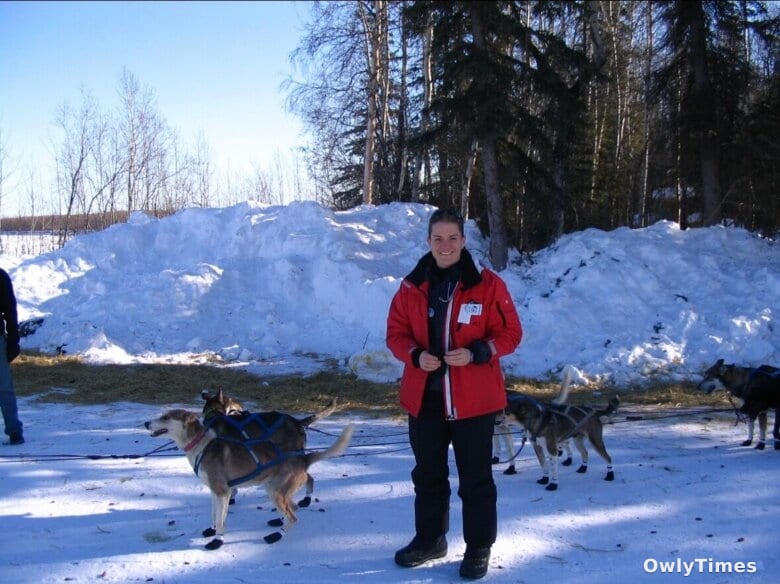
The race, which began in 1973, presents a unique challenge to veterinary medicine. Friedrich, who has volunteered with the Iditarod since 2009 and now oversees all dog care for the event, emphasizes that orthopedic issues are the most prevalent concern. Musculoskeletal strains and soreness are almost inevitable given the distance and terrain. However, the dogs aren’t simply battling fatigue; they’re navigating icy trails, uneven snowpack, and potentially sub-zero temperatures, all of which amplify the risk of injury. What’s remarkable, according to Friedrich, is the dogs’ inherent resilience and the mushers’ dedication to preventative care. She describes the dogs as “lean, muscular, athletic, very powerful, and very friendly,” highlighting the selective breeding and training that contribute to their exceptional physical condition and temperament.
It’s crucial to understand that the Iditarod dogs aren’t simply naturally gifted athletes. They are products of generations of careful breeding and training focused on both physical prowess and trainability. Friedrich notes their “camaraderie as a team” and their “handleability,” qualities cultivated by mushers who prioritize a strong working relationship with their canine partners. This isn’t a case of forcing animals to perform; it’s a partnership built on mutual respect and understanding. The dogs, she observes, appear to genuinely enjoy their work, exhibiting a “pack mentality” that drives their performance. This observation challenges the anthropocentric view that athletic drive is solely a human trait.
However, several limitations must be considered when interpreting the health data from the Iditarod. The dogs participating represent a highly select population – those genetically predisposed to endurance and carefully managed by experienced mushers. This isn’t representative of the average canine population, and extrapolating findings to pet dogs could be misleading. Furthermore, the veterinary care provided during the race is exceptionally comprehensive, potentially masking underlying health issues that might be more apparent in less controlled settings. The race’s very structure – with mandatory rest stops and veterinary checkpoints – inherently alters the natural progression of fatigue and injury.
Looking ahead, research stemming from the Iditarod could significantly advance our understanding of canine exercise physiology, nutrition, and injury prevention. Specifically, detailed biomechanical studies of sled dogs in motion could reveal insights into optimal gait mechanics and strategies for minimizing stress on joints. Longitudinal studies tracking the long-term health of Iditarod dogs could also shed light on the cumulative effects of extreme endurance exercise. But perhaps the most pressing question is: as climate change alters the Alaskan landscape, impacting trail conditions and snowpack, how will these changes affect the physical demands placed on the dogs – and what adaptations will be necessary to ensure their continued well-being? The future of the Iditarod, and the health of its canine athletes, may depend on the answer.