
Are we really blaming ourselves for inflation now? The latest financial advice circulating isn’t about negotiating better wages or demanding corporate accountability – it’s about how we pay for gas. While seemingly innocuous, the push to use debit cards instead of credit cards for gasoline purchases, as suggested by Kathryn McCall, VP and financial advisor at CAPTRUST, reveals a deeper, more unsettling trend: shifting the burden of economic instability onto individual consumers. The real story here isn’t about optimizing your gas spending – it’s about a system designed to absorb and deflect responsibility for rising costs.
The 19% Jump and the Illusion of Control
Bank of America data released on March 21st showed debit and credit card users were spending 19% more on gasoline compared to the previous year. Nineteen percent. That’s not a subtle creep; that’s a significant financial shock hitting households across the country, and particularly acutely in states like California where gas prices consistently outpace the national average. The immediate response from many financial advisors, including McCall, is to offer micro-adjustments to consumer behavior – carpooling, strategic gas station selection, and, crucially, switching to debit. But these are Band-Aids on a gaping wound. They imply that individual frugality can somehow counteract systemic inflationary pressures.
This advice isn’t wrong, per se. Using a debit card avoids potential credit card interest, which is always sound financial practice. But framing it as a primary solution to rising gas prices feels… disingenuous. It’s akin to telling someone to patch a leaky roof with duct tape while ignoring the structural damage to the foundation. The focus on debit versus credit distracts from the core issue: the escalating cost of fuel and its ripple effect throughout the economy. McCall herself acknowledges this, noting that rising gas prices impact “everything that goes through the system.” Yet, the headline advice remains centered on individual spending habits.
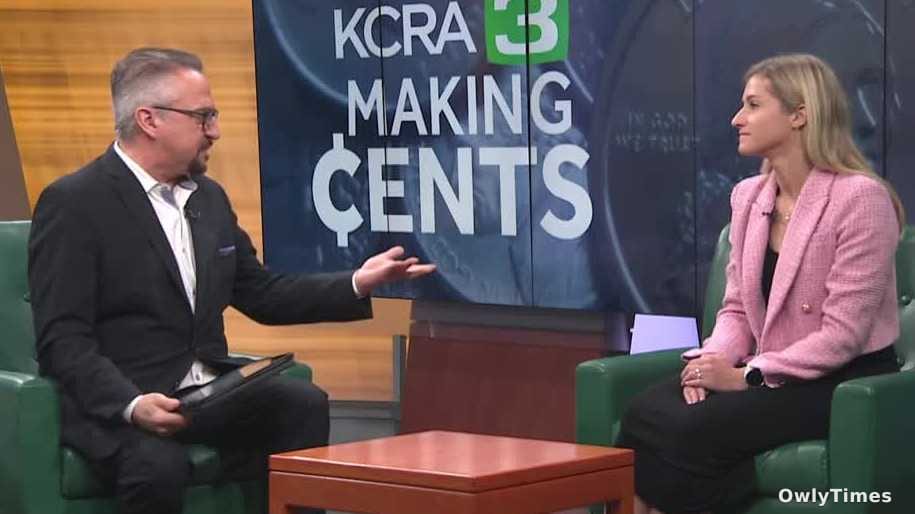
This piece references the kcra.com report.
Beyond the Pump: The Inflationary Cascade
The problem extends far beyond the immediate cost at the pump. As McCall points out, increased fuel costs permeate the entire economic system. Transportation costs for goods rise, leading to higher prices for groceries, clothing, and virtually everything else. This isn’t a localized issue affecting only those who drive frequently; it’s a broad-based inflationary force impacting everyone, regardless of their transportation choices. The upcoming inflation numbers, expected to reflect these pressures, will likely confirm what many families already feel: a tightening squeeze on their budgets.
The emphasis on individual budgeting, while important, feels particularly tone-deaf when considering the widening wealth gap. Telling someone earning minimum wage to “figure out a budget” to offset a 19% increase in a necessary expense is a fundamentally different proposition than offering the same advice to someone with substantial disposable income. The current narrative risks blaming individuals for a crisis largely beyond their control, conveniently absolving corporations and policymakers of responsibility.
The Strategic Gas Station and the Myth of Choice
The suggestion to be “strategic about where we buy gas” also highlights a limited range of consumer agency. While price comparison apps exist, the difference between gas stations is often marginal, and the convenience of location frequently outweighs potential savings. For many, especially those with long commutes or limited transportation options, the “closest location” is the only viable option. This advice feels particularly hollow in Northern California, where gas prices are notoriously high and competition is often limited. It’s a solution that works best for those who already have the flexibility and resources to shop around – further exacerbating existing inequalities.
The real issue isn’t how we pay for gas, or even where we buy it. It’s the underlying economic forces driving up prices in the first place. And until we address those forces – through policies that promote sustainable energy, regulate oil company profits, and invest in public transportation – we’ll continue to see financial advisors offering increasingly desperate attempts to manage the symptoms of a much larger problem.
Here’s what to watch for: in the next six months, expect to see a surge in “financial wellness” programs offered by employers, heavily emphasizing budgeting and debt management. These programs won’t be about empowering employees to demand better wages; they’ll be about teaching them to survive on less. The question isn’t whether these programs will be helpful, but whether they’ll distract from the systemic changes needed to create a truly equitable and sustainable economy.