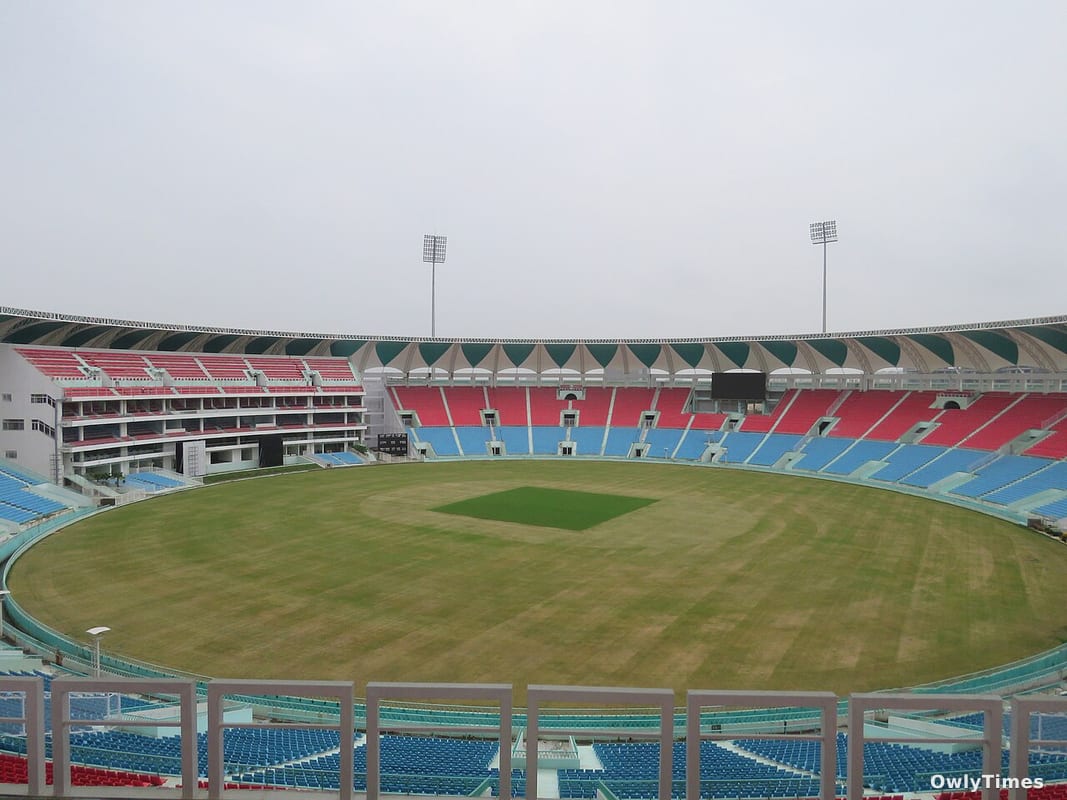

The dusty landscape of Pomona, California, is being transformed into a high-stakes laboratory for the future of global cricket. As construction crews break ground at the Fairplex, the vision for the LA 2028 Olympic cricket venue is evolving into something far more ambitious than a simple host site for the Games. Venky Mysore, chief executive of the Kolkata Knight Riders (KKR), sees this modular arena not just as a temporary Olympic stage, but as the potential long-term home for Indian Premier League (IPL) exhibition fixtures, signaling a bold attempt to crack the world’s most elusive sports market.
Building a Global Hub in Pomona
The site is designed with a deliberate, phased approach to accommodate a growing appetite for the sport. Starting this year, the stadium will accommodate 5,000 fans for Major League Cricket (MLC) matches, with plans to expand to 8,500 by 2027. By the time the Olympic torch arrives in 2028, the venue is expected to host a six-team T20 tournament for a capacity crowd of 15,000. For Mysore, this infrastructure is the key to finally overcoming the logistical hurdles that have stymied previous efforts to bring top-tier Indian talent to North American soil.
While "concrete proposals" have surfaced in the U.S. and Canada in years past, none successfully navigated the tight scheduling windows that follow the conclusion of the IPL season. Mysore, who is currently navigating his 16th season with the league, notes that after the tournament concludes, players are typically pulled in dozens of different directions. However, the prospect of "piggybacking" on the existing growth of MLC offers a unique structural advantage. By establishing a permanent, high-quality base in California, the league hopes to create a destination that justifies the travel for international stars.
The Pursuit of Elite Standards
The pressure to deliver a perfect surface is immense, particularly following the harsh criticism directed at temporary drop-in pitches during the 2024 ICC Men's T20 World Cup in New York. To avoid a repeat of those conditions, the Pomona project has prioritized a traditional, deep-rooted approach. Organizers have utilized local clay and Tahoma turf harvested nearby to cultivate eight dedicated pitches. This commitment to the soil, rather than a quick-fix modular surface, reflects a wider industry pivot toward sustainability and long-term player safety.
Mysore is adamant that this investment in the field of play is non-negotiable. "We made a decision from the get-go that we will not cut any corners," he stated, emphasizing that the surface must be "absolutely world class" to satisfy the scrutiny of cricket’s return to the Olympic fold after a 128-year hiatus. With seven MLC matches scheduled to test the venue between July 1 and July 5, the project will soon provide a tangible measurement of whether this California-based experiment can survive the rigors of professional competition.
A Strategic Entry into the U.S. Market
The broader implications of this development go beyond the boundary rope. For the IPL, success in the United States is a mathematical necessity for expanding media rights and global brand recognition. If the Pomona venue can establish itself as a reliable, year-round hub, it could serve as a model for how specialized sports infrastructure can bridge the gap between regional popularity and American mainstream consumption.
Whether this venue eventually hosts the final qualifier for the 2028 Olympic tournament remains to be seen, as the International Cricket Council has yet to finalize those specific arrangements. For now, the next reading of the venue's performance will come during the July MLC fixtures, which will serve as the first true stress test for both the infrastructure and the viability of the American cricket dream.

