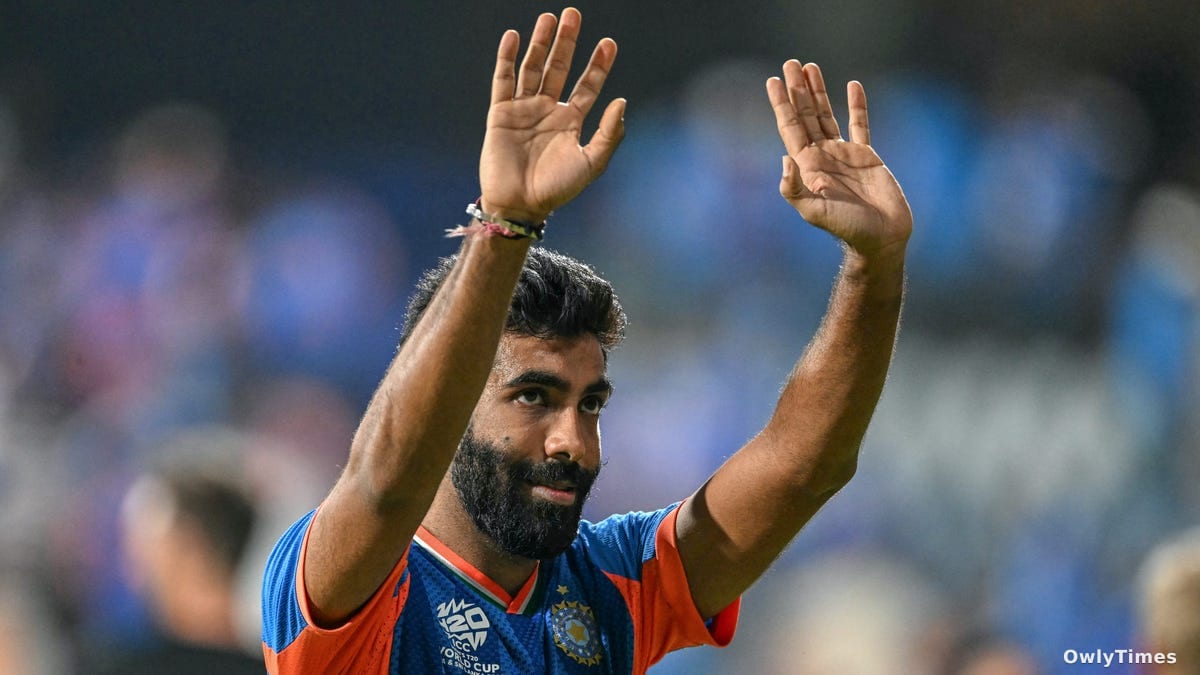

Is cricket about to become a data science arms race? Everyone’s focused on the explosive batting display by India in the 2026 T20 World Cup final – a staggering 255 runs against New Zealand – but the real story here isn't just the runs scored, it’s how those runs were scored, and what that signals about the future of the game. This wasn’t simply a lucky streak; it was a demonstration of optimized aggression, a testament to the increasingly sophisticated analytics now driving professional cricket.
The New Math of Maximum Runs
The numbers are, frankly, astonishing. India’s total shattered their own previous record of 176 set in the 2024 final against South Africa. To put that in perspective, they added nearly 80 runs to the highest-ever score in a T20 World Cup final. Sanju Samson’s 89 off 46 balls, alongside blistering contributions from Abhishek Sharma (52 off 21) and Ishan Kishan (54 off 25), weren’t just individual brilliance; they were calculated risks, executed with precision. Look at the broader context: India now holds three of the top scores in T20 World Cup finals, and boasts three of the top six highest scores ever in a T20 match, including the second and third highest (256 vs Zimbabwe and 255 vs New Zealand, respectively). This isn’t coincidence. It’s the result of teams like India investing heavily in data analysis to identify optimal batting strategies, pinpointing bowler weaknesses, and predicting scoring opportunities.
See the original USA Today story for the full account.
Beyond the Boundary: What This Means for Fans
This isn’t just a story for cricket obsessives. The shift towards data-driven play has implications for how the game is consumed. For years, cricket analysis focused on “reading” a player’s form, assessing their temperament, and relying on subjective observations. Now, algorithms are quantifying those very qualities. Expect to see more in-game metrics displayed for viewers – not just run rates and strike rates, but projected scoring zones, probability of dismissal based on ball type and bowler trajectory, and even “risk assessment” scores for each shot. This is already happening in baseball and basketball, and cricket is rapidly catching up. The casual fan might not realize it, but the experience of watching a match is becoming increasingly layered with data, offering a deeper, if more complex, understanding of the game.
England’s Uphill Battle and the Pressure to Innovate
The pressure is now squarely on England, who must chase down a monumental total to win their first T20 World Cup. But their challenge isn’t just about hitting boundaries; it’s about adapting to a new paradigm. New Zealand’s decision to field first, while a standard tactic, now looks questionable in light of India’s performance. It suggests a potential miscalculation of the pitch conditions and a failure to anticipate India’s aggressive intent. Other teams will be scrutinizing every aspect of India’s strategy, attempting to reverse-engineer their success. This will inevitably lead to a cycle of innovation and counter-innovation, with teams constantly refining their models and seeking new edges. The days of relying solely on intuition are over.
The Rise of the Algorithmic Captain
The role of the captain is also evolving. Traditionally, captains relied on their gut feeling and on-field observations to make strategic decisions. Now, they have access to real-time data analysis, providing them with insights that were previously unavailable. Expect to see captains making increasingly data-driven decisions – adjusting field placements based on predicted shot trajectories, rotating bowlers based on fatigue levels and opponent weaknesses, and even altering batting orders based on match-up probabilities. This raises a fascinating question: will we eventually see AI-powered captains, capable of making optimal decisions with cold, calculated efficiency?
The 2026 T20 World Cup final wasn’t just a thrilling cricket match; it was a glimpse into the future of the sport. The question now isn’t if data analytics will dominate cricket, but when will we see the first team fully embrace an algorithmic approach to every aspect of the game – from player selection to in-game strategy? Watch closely for the first major international team to hire a dedicated “Chief Analytics Officer” – that’s when you’ll know the revolution has truly begun.