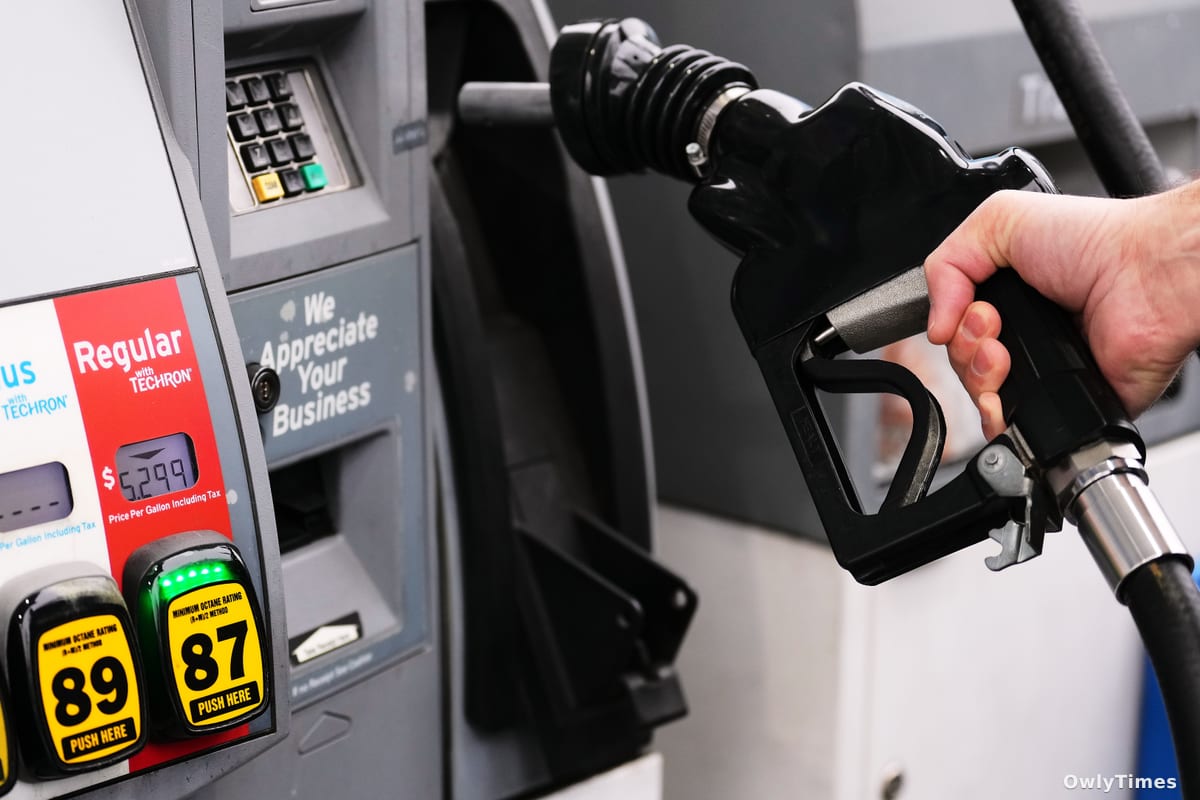

Are we really surprised? The photo of a Chevron station in Bellevue, Washington, displaying $5.29 a gallon for regular on March 13, 2026, isn’t a shock – it’s a predictable consequence. Everyone’s focused on the geopolitical fallout of the U.S. and Israel’s attack on Iran, and the resulting disruption to oil flow through the Strait of Hormuz. The real story here isn’t the war itself, it’s the enduring vulnerability of a global economy still tethered to a commodity controlled by instability. We’ve been lulled into a false sense of energy independence, and now the bill is coming due.
The Strait of Hormuz: A Chokepoint Revisited
The current crisis, with oil prices hovering around $100 a barrel after briefly spiking to $120, isn’t unprecedented. We saw similar surges in 2022 following Russia’s invasion of Ukraine. But the situation with Iran feels different. The Strait of Hormuz, handling roughly 20% of global oil traffic, is now a literal pressure point. Attacks on infrastructure, coupled with decreased ship traffic, aren’t just impacting prices – they’re exposing the fragility of supply chains that underpin modern life. Patrick de Haan of GasBuddy is right to point out the “double headwind” of Hormuz disruptions and the seasonal switch to summer gasoline blends, which are more expensive to produce due to Clean Air Act requirements. This isn’t a temporary blip; it’s a systemic stress test. The national average of $3.718 a gallon, up 80 cents in a month, is a stark reminder that “energy independence” is a marketing slogan, not a reality. Diesel, nearing $5 a gallon and up $1.34 from last month, is the silent killer here, inflating the cost of everything from groceries to construction.
Source material: NPR.
Beyond the Pump: The Ripple Effect on Everyday Life
It’s easy for politicians like President Trump to claim prices will “come down quickly” when the war ends, or to boast about U.S. oil production profits. That’s Washington-grade optimism divorced from economic reality. The impact extends far beyond the gas tank. Higher diesel costs translate directly into higher prices for goods transported by truck, ship, and train – which is, well, everything. Farmers face increased costs for fuel to run equipment, construction projects become more expensive, and the price of your weekly grocery run creeps higher. This disproportionately impacts lower-income households, who spend a larger percentage of their income on energy and transportation. It’s a regressive tax levied by geopolitical instability, and it’s hitting hardest those least able to absorb the shock.
The Incentive for Innovation – Finally
There’s a silver lining, though it’s a thin one. Higher oil prices, while painful in the short term, create a powerful economic incentive for alternatives. Solar power, battery technology, and electric vehicles suddenly look a lot more attractive when the price at the pump is north of five dollars. This isn’t about altruism; it’s about economics. The volatility of fossil fuel markets is a risk factor that renewables don’t share. OPEC understands this, which is why they historically avoid pushing prices too high – they risk accelerating the transition away from oil. The International Energy Agency’s (IEA) release of 172 million barrels from strategic reserves is a band-aid on a gaping wound. It’s a signal of desperation, and the fact that prices continued to rise after the announcement speaks volumes.
The Coming Energy Divide
We’re entering a period of heightened energy insecurity. The current crisis isn’t an anomaly; it’s a preview. Expect to see a widening gap between those who can afford to insulate themselves from price shocks – through EVs, solar panels, and energy-efficient homes – and those who are left exposed. The political pressure to address this disparity will be immense. But the real question isn’t whether governments will intervene, it’s how. Will we see a renewed push for fossil fuel production, doubling down on the very system that created this vulnerability? Or will we finally commit to a rapid and equitable transition to a cleaner, more resilient energy future? Watch for the next round of infrastructure spending bills. The choices made there will determine whether $5.29 a gallon becomes the new normal, or a painful lesson learned.