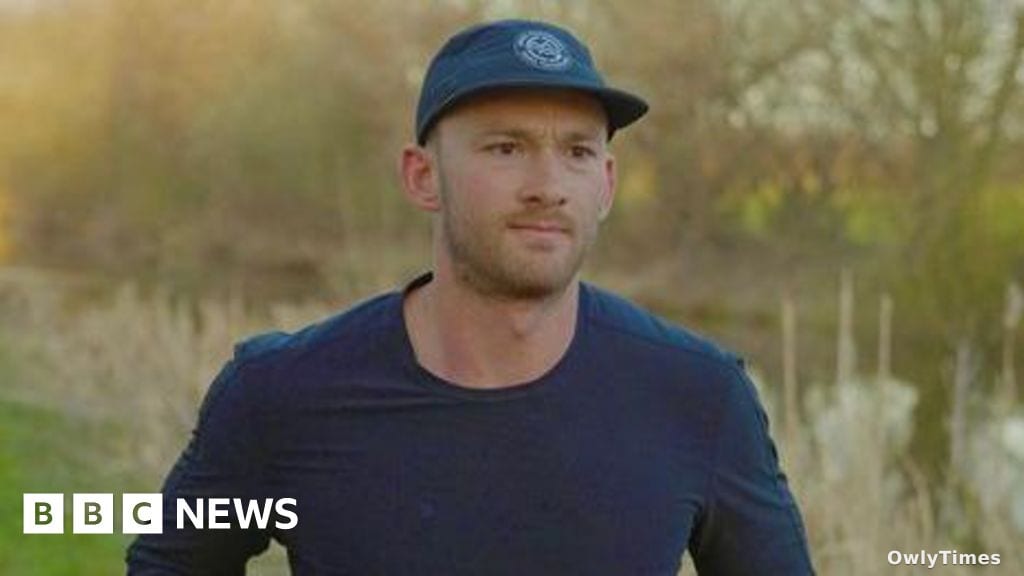

Can physical endurance serve as a meaningful proxy for psychological resilience, or is the "power of purpose" merely a narrative construct? This is the fundamental question posed by Fergus Crawley, a 30-year-old mental health campaigner currently undertaking a feat of extreme athletic stamina: 10 Ironman-distance triathlons in 10 consecutive days. While the headlines focus on the sheer physical exhaustion of swimming 2.4 miles, cycling 112 miles, and running 26.2 miles each day, the scientific reality of such an endeavor lies in the intersection of routine, community, and neurological regulation.
The Physiology of Purpose and Routine
Crawley’s challenge, which runs from 30 April to 9 May, is designed to raise funds for the charity Calm (Campaign Against Living Miserably). The physiological toll of these back-to-back events—totaling 24 miles of swimming, 1,120 miles of cycling, and 262 miles of running—is staggering. However, for Crawley, the primary objective is to demonstrate how structured activity can provide an anchor for mental stability. This mirrors what he experienced after his 2016 suicide attempt, when the daily demands of caring for his French bulldog, Odie, provided the external structure necessary to mitigate feelings of isolation and loneliness.
From a behavioral health perspective, the transition from crisis to recovery often requires exactly this type of external scaffolding. Crawley, who was a Durham University student at the time of his lowest point, noted that his perception of masculinity prevented him from seeking help. By shifting his focus toward a high-stakes, purpose-driven goal, he is attempting to replace the internal dialogue of despair with the external, measurable progress of athletic performance.
Clarifying the Scope of the Campaign
While many public narratives frame such athletic feats as a "cure" for mental illness, it is vital to distinguish between symptom management and clinical recovery. Headlines often imply that the endurance challenge itself is the mechanism of healing; in reality, Crawley identifies the routine, companionship, and the act of raising funds as the therapeutic drivers. The specific goal is to raise £122,000, a figure calibrated to cover the cost of 10,000 potentially lifesaving calls to Calm, with each individual call costing the charity £12.20.
There are clear limitations to consider when evaluating this approach as a general mental health intervention. First, the intensity of an Ironman-distance triathlon is inaccessible to the vast majority of the population, making it an imperfect model for broader mental health support. Second, while physical exertion can release endorphins and provide a sense of agency, it does not replace professional clinical intervention for severe depression or suicidal ideation. Crawley himself emphasizes that his recovery was a process of returning to his studies and finding stability through companionship, rather than a singular athletic event.
Measuring Success Beyond the Finish Line
The true impact of this campaign will not be measured by the number of laps completed on the racing circuits or athletics tracks where the events are held, but by the tangible support provided to those in crisis. By inviting the public to join him for a single lap or a full discipline, Crawley is attempting to build a communal support network that reduces the stigma surrounding emotional vulnerability.
The next metric to watch will be the final fundraising total relative to the £122,000 target. This will serve as a quantitative indicator of how effectively his message of "purpose over silence" resonates with the public and whether such high-visibility campaigns can successfully translate into sustained support for suicide prevention services. As the challenge concludes on 9 May, the focus for the research community remains on how such large-scale community engagement initiatives influence the volume of individuals seeking help from crisis-intervention organizations.





