
The Quiet Expansion of Florida’s Conservative Influence Network
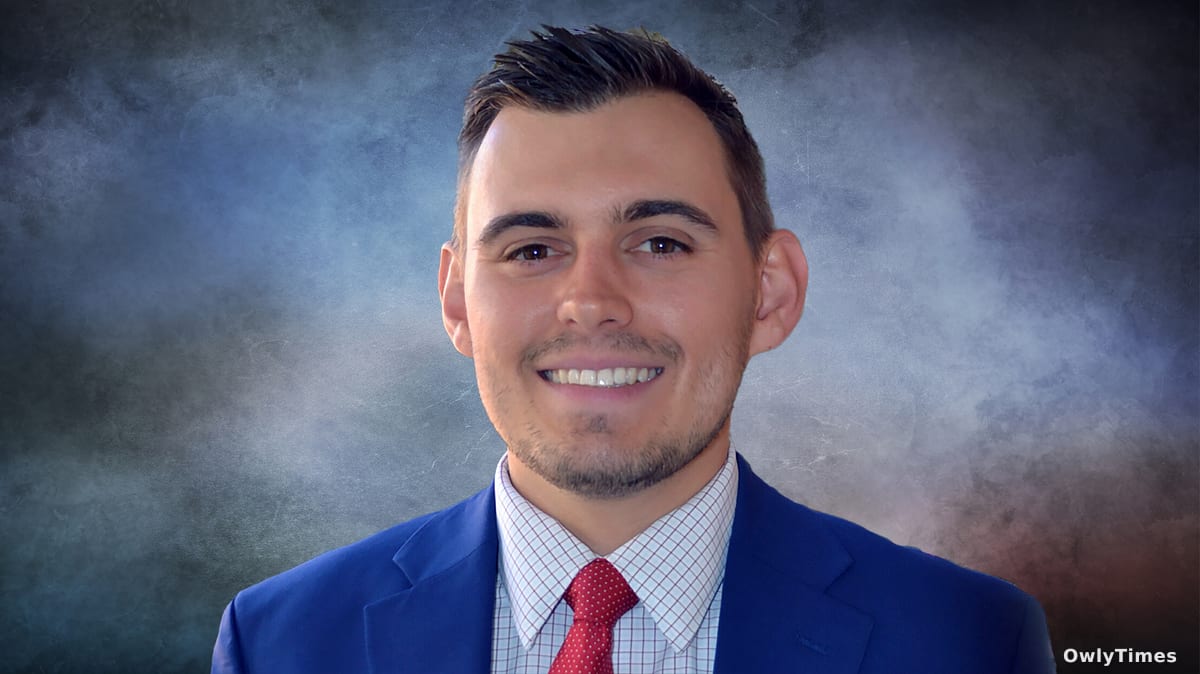
The hiring of Logan Bragdon as coalitions manager at the James Madison Institute (JMI) isn’t simply a personnel move; it’s a strategic realignment signaling a broader effort to consolidate and amplify conservative influence in Florida’s policy landscape. While presented as an expansion of JMI’s reach, the appointment reflects a calculated move to build more robust alliances ahead of anticipated legislative battles on issues ranging from economic development to education reform – and potentially, a future statewide campaign cycle. The emphasis on “coalitions” isn’t about consensus-building, but about strategically leveraging existing networks to achieve pre-determined policy outcomes.
See the original Florida Politics story for the full account.
JMI, a long-standing advocate for limited government and free markets, has historically operated as a think tank generating policy proposals. But the addition of Bragdon, whose resume reads like a directory of Florida’s conservative establishment – stints at the Florida House, Enwright Rimes Consulting, the Foundation for Florida’s Future, and the Florida Housing Finance Corporation – indicates a shift towards more aggressive advocacy and direct political engagement. Bragdon’s experience isn’t in creating policy, but in moving it, navigating the complex relationships between lobbyists, legislators, and advocacy groups. Senior Vice President Logan Elizabeth Padgett’s statement, emphasizing Bragdon’s “motivation” alongside his experience, subtly acknowledges this focus on proactive implementation.
Who benefits and who loses from this shift? JMI’s core constituency – businesses favoring deregulation, taxpayers skeptical of government spending, and advocates for school choice – stand to gain. The organization’s stated goal of “empowering individuals and keeping our state on a path to opportunity and prosperity,” as articulated by Bragdon himself, is a familiar refrain masking a specific agenda. Those likely to lose ground are groups advocating for increased social spending, environmental regulations, or policies that challenge established economic interests. The “community leaders and stakeholder groups” Bragdon will be courting are unlikely to include representatives from labor unions or progressive advocacy organizations. This isn’t a neutral outreach effort; it’s a targeted mobilization of aligned interests.
This strategy echoes historical precedents in conservative movement building. The Heritage Foundation, for example, began as a think tank in the 1970s but quickly evolved into a powerful advocacy organization, actively shaping the Reagan administration’s policies. Similarly, the American Legislative Exchange Council (ALEC) built its influence not through original research, but through providing model legislation to state legislators, effectively pre-packaging policy solutions for adoption. JMI’s move with Bragdon suggests a similar trajectory: from idea generation to active legislative shaping. Doug Wheeler, Director of the George Gibbs Center for Economic Prosperity at JMI, explicitly frames the hire as a means to “invigorate JMI’s presence… nationally,” indicating ambitions beyond Florida’s borders.
The appointment also arrives at a pivotal moment for Florida’s political media landscape. Drew Wilson, Vice President of Florida Politics, a key source of information for Tallahassee insiders, represents a gatekeeper of influence. His background, starting at the student newspaper The Independent Florida Alligator and progressing through roles at The Hollywood Reporter, LobbyTools, and The Florida Current, demonstrates a deep understanding of the state’s political ecosystem. The fact that this personnel move was reported by Florida Politics suggests a tacit acknowledgement of its significance within that network.
The political chess move to watch next isn’t what JMI will advocate for, but which coalitions Bragdon successfully builds. Will he focus on strengthening existing alliances with established lobbying firms, or will he attempt to forge new partnerships with grassroots organizations? The answer will reveal whether JMI intends to operate as a top-down influence operation or a more broadly-based political force. And, crucially, will these coalitions be transparently disclosed, or will they operate behind the scenes, shaping policy decisions without public scrutiny?





