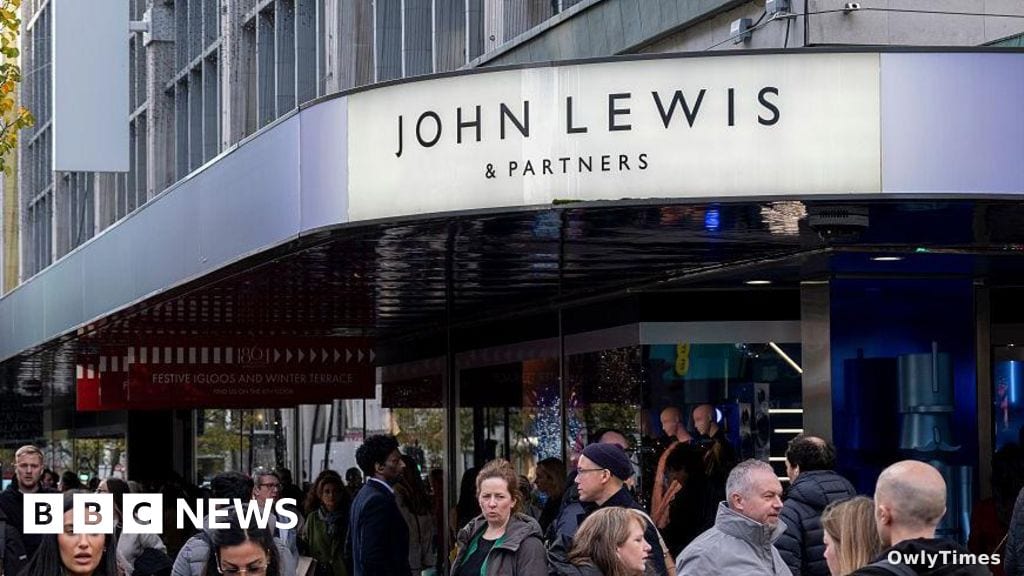

A £1 Billion Retreat: John Lewis’s Housing Gamble Reveals Deeper Economic Cracks
A planned 1,000-unit housing development, representing an estimated £1 billion in potential revenue, is being abandoned by John Lewis, a move that isn’t simply a retail recalibration, but a stark indicator of the escalating crisis in the UK housing market. The employee-owned retailer’s decision to shutter its housebuilding division, launched in 2020, isn’t a failure of concept, but a casualty of a 275 basis point rise in average mortgage rates since the beginning of 2022 – a shift that fundamentally altered the financial equation for all developers. Follow the money: the initial projections for returns on these projects, predicated on a low-interest rate environment, are now demonstrably unachievable.
This piece references the the BBC report.
The Shifting Sands of Investment Returns
John Lewis’s foray into housebuilding was, at its core, a search for diversification. The retail landscape had been eroding for six years, marked by job cuts and store closures driven by the surge in online shopping. The housing market, in 2020, appeared a comparatively stable investment. However, the company spokesperson’s statement – that their “rental property ambition was based on a very different financial environment” – underscores a critical miscalculation. Investment returns, once projected at a healthy margin, have been squeezed by rising borrowing costs and inflated construction expenses. While the exact figures for projected returns haven’t been publicly disclosed, industry analysis suggests developers were anticipating yields of at least 5-7% on new builds in 2020; current market conditions likely push those figures below 2%, rendering projects unprofitable.
London’s Housing “Collapse” and the Ripple Effect
The assertion that housing development has “collapsed” in London isn’t hyperbole. New home registrations in the capital fell by 35% in the first quarter of 2024 compared to the same period last year, according to data from the National House Building Council (NHBC). This isn’t an isolated incident; the broader UK housing market is experiencing a slowdown, with overall housebuilding activity down 10% year-over-year. John Lewis’s planned sites in Bromley, Ealing, and Reading – leveraging existing Waitrose locations and a former industrial site – were intended to capitalize on urban regeneration. The abandonment of these projects signals a loss of confidence not just in the housing market, but in the viability of mixed-use developments reliant on favorable financing terms. The likely sale of the Reading site will likely be at a reduced valuation compared to 2020 estimates.
Beyond Bricks and Mortar: A Retailer’s Balancing Act
The retreat from housebuilding isn’t solely about external economic pressures; it’s also a strategic move to shore up the core retail business. John Lewis is refocusing on its namesake department stores and Waitrose supermarkets, aiming to “simplify its business and strengthen its balance sheet.” This prioritization is evident in the commitment to fulfill existing property management contracts in Leeds, Birmingham, Leicester, and Stratford – a responsible, albeit costly, exit strategy. The company’s financial reports from the last fiscal year revealed a pre-tax loss of £75.3 million, highlighting the urgency of streamlining operations. While the housebuilding venture represented a potential growth avenue, it was diverting resources from a struggling core business. The decision to refocus on retail, while not a guaranteed turnaround, is a pragmatic response to immediate financial pressures.
What this means for your wallet
The John Lewis decision isn’t just a business story; it’s a warning sign for prospective homebuyers and renters. The escalating cost of borrowing, coupled with persistent inflation in construction materials, will continue to put upward pressure on housing prices and rental rates. Expect fewer new builds coming to market, exacerbating the existing housing shortage. The question now is whether the Bank of England will begin cutting interest rates aggressively enough to stimulate housing demand and prevent a more prolonged downturn. Watch closely for the NHBC’s registration numbers in the second half of 2024 – a continued decline will confirm that this isn’t a temporary correction, but the beginning of a more significant housing market contraction.





