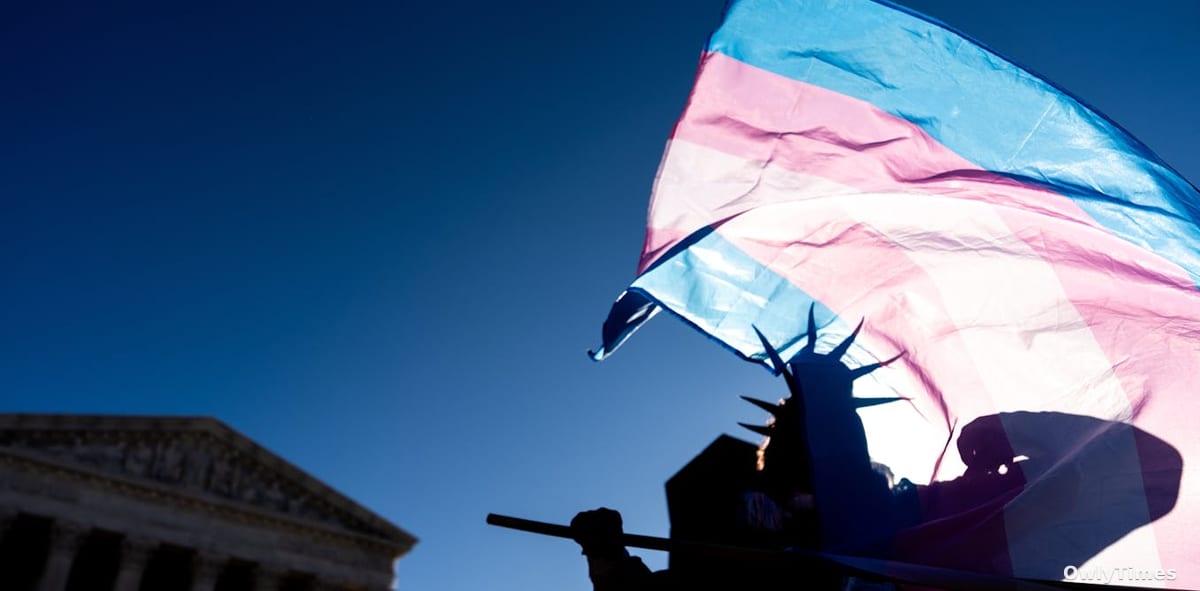

The escalating wave of legislation targeting transgender and nonbinary individuals in the United States reached a stark new point on February 26, 2026, in Kansas. While headlines declared the passage of a law restricting bathroom access and allowing lawsuits against transgender people, the most immediately impactful – and legally unprecedented – element is the overnight invalidation of state-issued identification documents for those whose gender marker doesn’t align with their sex assigned at birth. This isn’t simply a symbolic gesture; it’s a direct assault on the fundamental ability of trans and nonbinary people to navigate daily life, and it represents a significant departure from previous legal challenges to transgender rights. The focus on ID invalidation, rather than solely on bathroom access, shifts the conversation from cultural anxieties to concrete legal and logistical barriers, a change that demands closer scrutiny.
The new law, officially designated as the House Substitute for Senate Bill 244, was enacted after Kansas legislators overrode the governor’s veto, accelerating its passage. This legislative maneuver bypassed typical review processes, raising concerns about thorough consideration of the law’s ramifications. While 21 other states have enacted restrictions on bathroom access based on assigned sex at birth, Kansas is the first to retroactively invalidate legally obtained identification. This distinction is crucial. Previous legislation primarily focused on future access or restrictions; this law actively diminishes the validity of documents individuals relied upon for years, creating immediate legal jeopardy. The potential for fines up to US$1,000 and up to six months in jail for driving with an invalid license isn’t a distant threat, but a reality for many as of that date.
Researchers, including ourselves, who study the impact of marginalization on the health and well-being of transgender and nonbinary people, have long documented the critical role of accurate identification. It’s not merely about convenience; it’s about access. Without valid ID, accessing healthcare, securing employment, renting housing, voting, or even purchasing over-the-counter medication becomes significantly more difficult, if not impossible. The consequences extend beyond individual hardship, impacting community stability and economic participation. The claim that this law is simply about bathroom access obscures the broader, more insidious effect of stripping away legal recognition and creating a class of citizens with diminished rights.
Reporting from theconversation.com informs this analysis.
The Tangible Impacts of Invalidated Documents
The practical implications of this law are far-reaching. Roughly half of the U.S. population lacks reliable access to public transportation, meaning a revoked driver’s license isn’t easily circumvented. Two transgender men who filed a lawsuit against the state highlighted the direct impact on their livelihoods, stating the inability to drive jeopardizes their employment. This isn’t an isolated case. The requirement of valid ID permeates nearly every aspect of modern life. Consider the logistical challenges of opening a bank account, enrolling a child in school, or even traveling within the state. These seemingly mundane tasks become fraught with difficulty, creating a constant state of vulnerability and stress. The law’s impact isn’t limited to those who actively present as a different gender than their assigned sex at birth; anyone with a gender marker that doesn’t match their current self-identification is affected.
Beyond Transportation: Health and Safety Risks
The repercussions extend beyond logistical hurdles to encompass significant health and safety concerns. Our research, alongside that of colleagues in the field, consistently demonstrates a correlation between lack of affirming identification and increased rates of psychological distress and suicidality within the transgender and nonbinary community. The daily stress of navigating a world that doesn’t recognize your legal existence takes a profound toll on mental health. Furthermore, individuals whose physical appearance doesn’t align with their ID are at heightened risk of harassment, violence, and denial of services. Approximately a quarter of trans and nonbinary people report experiencing mistreatment when presenting their identification, including verbal abuse, assault, and discrimination. This law effectively amplifies those risks, creating a more hostile and dangerous environment.
A Broader Legislative Trend and Data on Document Updates
The Kansas law isn’t an isolated incident, but rather a symptom of a broader, escalating trend. As of February 2026, over 700 bills targeting transgender and nonbinary rights are under consideration across 41 states, with another 110 at the national level. These proposals range from restrictions on gender-affirming care to bans on participation in sports and limitations on the use of chosen names and pronouns. The 2022 U.S. Trans Survey, encompassing over 92,000 participants, revealed that 59% of transgender and nonbinary people have not updated their gender on any of their documents, and 23% have only updated some. This means a substantial portion of the community is already vulnerable, and this law will exacerbate existing disparities. The fact that nearly 60% haven’t updated their documents isn’t necessarily a reflection of apathy, but often a result of complex bureaucratic processes, financial barriers, and geographic limitations.
Limitations to Consider and Future Research
It’s important to acknowledge the limitations of current research. While studies consistently demonstrate a correlation between affirming identification and improved well-being, establishing direct causation is complex. Other factors, such as socioeconomic status, access to healthcare, and social support networks, also play significant roles. Furthermore, the long-term effects of this law in Kansas remain to be seen. Will individuals attempt to navigate life without valid ID, risking legal penalties? Will they attempt to change their documents, facing potentially insurmountable obstacles? Will they leave the state, contributing to a brain drain and further marginalizing the community? Future research should focus on tracking these outcomes, as well as exploring the effectiveness of legal challenges to the law.
The immediate question facing policymakers, advocates, and the transgender and nonbinary community is: what will be the response to this unprecedented legal challenge? Will other states follow Kansas’ lead, further eroding the rights of transgender and nonbinary individuals? Or will this law serve as a catalyst for increased activism and legal action, ultimately strengthening protections for this vulnerable population? The coming months and years will be critical in determining the future of transgender rights in the United States.





