
A Shift in Federal Guidance Raises Questions About Flu Prevention in Young People
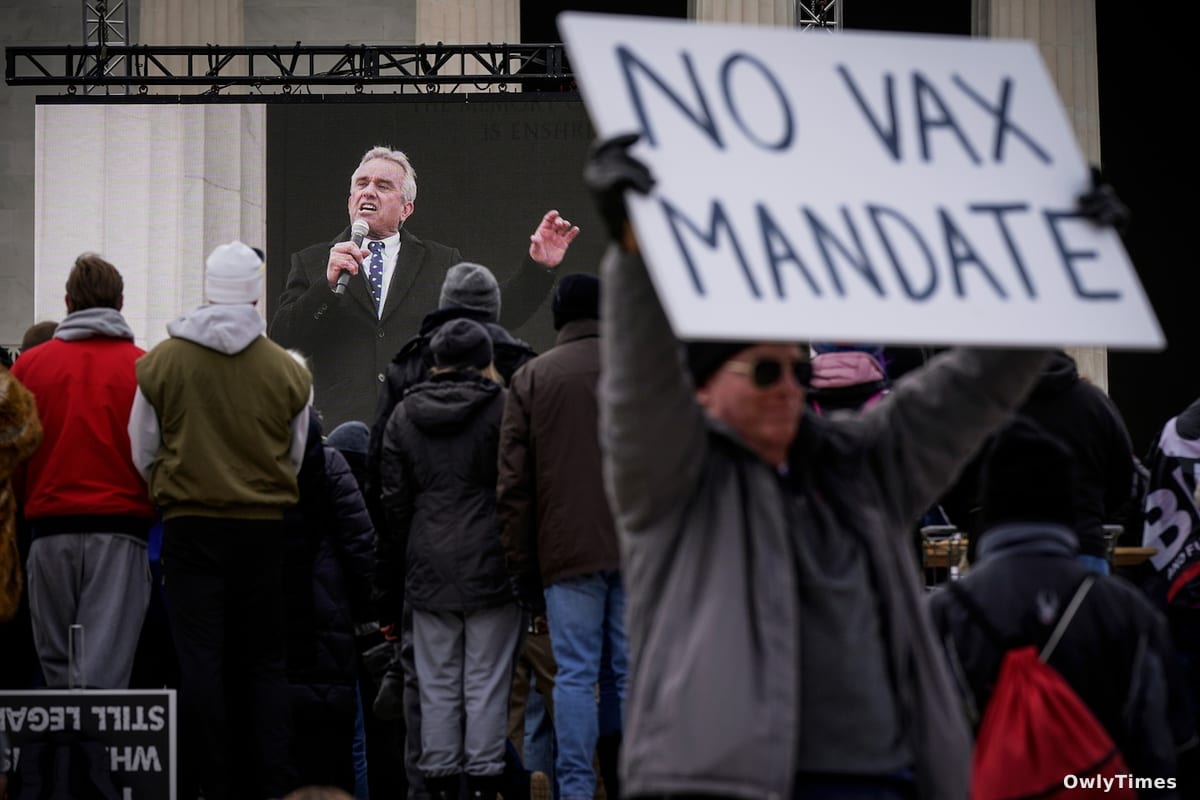
The annual ritual of the flu shot has long been presented as a cornerstone of public health, particularly for vulnerable populations like children. But a recent, and largely under-analyzed, change in federal guidance – spearheaded by Health Secretary Robert F. Kennedy Jr. – has quietly removed the routine recommendation for influenza vaccination in children and adolescents. This isn’t simply a recalibration of messaging; it’s a substantive policy shift occurring during a particularly severe flu season, and it demands a closer look at the methodology behind the decision, the potential consequences, and the broader context of vaccine hesitancy. The immediate impact isn’t a ban on flu shots for young people, but rather a removal of the explicit encouragement from federal health authorities, a distinction often lost in initial reporting.
The revised guidance, implemented last month, represents a significant departure from decades of established practice. For years, the Centers for Disease Control and Prevention (CDC) and other federal agencies have actively promoted annual flu vaccination for all individuals over six months of age. Now, the emphasis has shifted, with the new guidance focusing on allowing parents and individuals to make informed decisions, rather than actively encouraging vaccination. This change follows Kennedy Jr.’s long-standing skepticism towards vaccines, a position he’s maintained throughout his career. It’s crucial to note that the shift isn’t framed as a safety concern, but rather a question of overall benefit, a nuance often overlooked. The Secretary has publicly attributed his own vocal difficulties to flu vaccination, a claim repeatedly refuted by medical professionals who cite no supporting evidence.
This piece references the The Washington Post report.
The timing of this policy change is particularly noteworthy. The United States is currently experiencing a more aggressive flu season than in recent years, with reported cases significantly higher than the five-year average according to data from the CDC. As of mid-December, the CDC estimates between 8.7 million and 14 million illnesses, 4.1 million to 6.2 million medical visits, and 2,900 to 6,200 deaths have occurred due to influenza this season. To put this in perspective, last year at this time, the CDC reported approximately 6.1 million illnesses. The decision to alter vaccination guidance amidst this heightened activity raises questions about the weight given to current epidemiological data versus pre-existing concerns about vaccine efficacy or potential side effects. It’s also important to understand that the CDC’s recommendations are based on extensive modeling and analysis of real-world data, a process that typically takes years to refine.
The methodology behind the revised guidance remains somewhat opaque. While Kennedy Jr. has expressed concerns about the flu vaccine’s effectiveness, particularly in light of the virus’s constant mutation, the CDC maintains that the vaccine is still the most effective way to prevent severe illness, hospitalization, and death. The CDC’s assessment relies on analyzing vaccine effectiveness data collected from multiple sources, including observational studies and clinical trials. However, vaccine effectiveness does vary from year to year depending on how well the vaccine strains match the circulating viruses. The current guidance doesn’t detail how this year’s potentially lower effectiveness factored into the decision to remove the routine recommendation. Furthermore, the change occurred swiftly after Kennedy Jr. assumed office, with his first act as Secretary being the termination of a government ad campaign promoting flu vaccination, suggesting a pre-existing intent to alter the approach.
Limitations to Consider
It’s essential to acknowledge the limitations of interpreting this policy shift. The revised guidance doesn’t prohibit individuals from receiving the flu vaccine; it simply removes the federal endorsement of routine vaccination. This distinction is critical. However, the power of a federal recommendation should not be underestimated. Public health messaging heavily influences individual behavior, and removing that encouragement could lead to decreased vaccination rates, particularly among families who rely on official guidance. Another limitation is the lack of transparency surrounding the data and analysis that informed the decision. A detailed explanation of the rationale behind the change, including the specific data points considered and the weight given to different factors, would be crucial for building public trust and fostering informed debate.
Looking ahead, the crucial next step is rigorous monitoring of flu vaccination rates and influenza-related morbidity and mortality in children and adolescents. We need to determine whether the change in guidance correlates with a measurable decline in vaccination coverage and, if so, whether that decline translates into increased rates of severe illness and hospitalization. Furthermore, independent researchers should conduct a thorough review of the data and analysis that informed the revised guidance, ensuring transparency and accountability. The question isn’t simply whether the flu vaccine is perfect – no vaccine is – but whether the benefits of routine vaccination continue to outweigh the risks, particularly in the context of a changing viral landscape and evolving public health priorities. Will we see a divergence in flu outcomes between states that actively promote vaccination and those that follow the new federal guidance? That’s the scenario public health officials, and parents, should be watching for closely.





