
The Chill of Reality: US Olympic Hopes Face a Stark Winter
The Milan-Cortina Winter Olympics are delivering a sobering reality check for the United States. While the Games are still young, Sunday marked a particularly bleak day for Team USA – a complete shutout in the medal count. This isn’t merely a slow start; it’s a continuation of a troubling trend, and a stark contrast to the expectations surrounding American athletic dominance. The narrative isn’t just about missed opportunities for Ilia Malinin and Chloe Kim, but a broader systemic challenge to US winter sports supremacy. The fact that betting odds now heavily favor Norway (-1500 to win the most golds, requiring a $1,500 wager for a $100 return) while the US languishes at +270 (a $100 bet yielding $270) speaks volumes about the shifting landscape of winter sports power. This disparity isn’t just about gambling; it’s a reflection of perceived probability based on performance.
Drawn from the Los Angeles Times.
Background & Context: A History of Shifting Ice
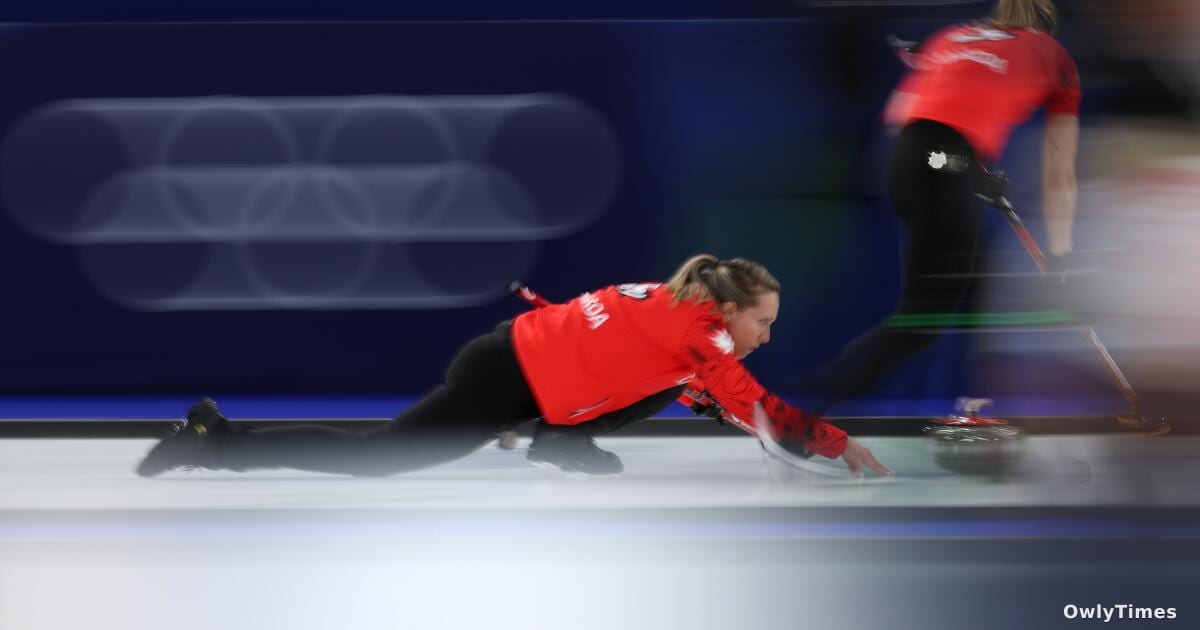
The US has a complex relationship with Winter Olympic success. While boasting a proud history, particularly in events like figure skating and hockey, consistent dominance has been elusive. The 1932 Games remain the sole instance where the US topped the gold medal count, a statistic that underscores the historical anomaly of American winter sports leadership. The current situation isn’t a sudden collapse, but rather a gradual erosion of competitive edge. Funding disparities, a focus on summer sports, and the rise of specialized winter sports programs in nations like Norway, Sweden, and Germany have all contributed to this shift. Consider the investment in cross-country skiing in Norway, a national obsession supported by robust infrastructure and cultural emphasis. This contrasts sharply with the often-underfunded and less-prioritized winter sports programs within the US system. The recent allegations of cheating leveled against Canada’s curling teams – involving accusations of illegally double-touching the stone – add another layer of complexity, highlighting the intense pressure and scrutiny surrounding these competitions and the lengths teams may go to gain an advantage. This follows a similar incident in the 2024 Paris Summer Olympics involving the Canadian women’s soccer team and drone surveillance.
The Significance of Sunday’s Skunking & Curling Controversy
Sunday’s complete lack of medals for the US is particularly significant because it wasn’t a narrow miss. It wasn’t a series of fourth-place finishes. It was a widespread underperformance across multiple disciplines. Erin Jackson’s fifth-place finish in speed skating, despite being the 2022 gold medalist, exemplifies this struggle. Mikaela Shiffrin’s 11th-place finish in the women’s super-G skiing, after winning the event in 2018, further underscores the point. This isn’t simply bad luck; it suggests a deeper issue with preparation, competition, or both. The accusations against the Canadian curling teams, while vehemently denied, are also noteworthy. They tap into a broader concern about fair play and the increasing sophistication of attempts to gain an edge. The fact that the Swedish team proactively deployed a camera to monitor Canadian technique demonstrates a heightened level of suspicion and tactical maneuvering. This isn’t just about curling; it reflects a growing trend of intense scrutiny and technological intervention in competitive sports.
What This Means: Implications for Stakeholders
The implications of this performance are far-reaching. For the US Olympic Committee, it necessitates a serious re-evaluation of funding priorities and athlete development programs. A continued reliance on individual star power, without a robust system to nurture emerging talent, will likely yield similar results in future Games. For sponsors, the lack of American success could impact brand visibility and return on investment. For the American public, it challenges the ingrained expectation of US dominance in the Olympics. The Canadian curling controversy, regardless of its ultimate resolution, damages the reputation of the sport and raises questions about the integrity of competition. It also puts pressure on governing bodies to enforce rules more effectively and address concerns about cheating. The current situation could also lead to increased scrutiny of anti-doping measures and a push for greater transparency in officiating.
Looking Ahead: A Long Road to Recovery
The remainder of the Milan-Cortina Games will be crucial. The US needs to demonstrate resilience and find ways to turn potential into podium finishes. The women’s hockey team’s semifinal matchup against Sweden offers a significant opportunity, as does the strong showing of Elana Mayers Taylor and Kallie Humphries in the women’s monobob. However, simply securing a few more medals won’t address the underlying issues. The US needs a long-term strategy to revitalize its winter sports programs, focusing on grassroots development, increased funding, and a commitment to fostering a culture of excellence. The next few days will reveal whether this Olympics is an anomaly or a harbinger of a more challenging future for Team USA on the winter sports stage. The question isn’t just whether the US can catch Norway in these Games, but whether it can regain its competitive footing in the years to come.

