
The Invisible Infrastructure Supporting Latino Families
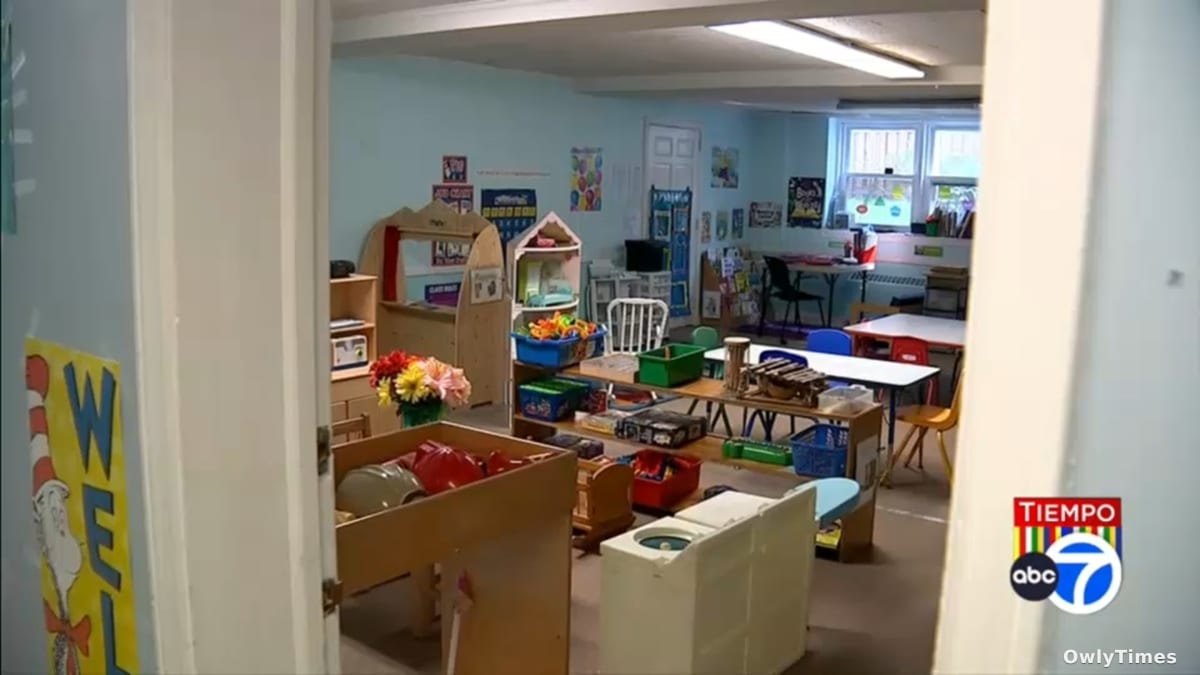
The question of accessible, affordable childcare is often framed as a national crisis, but the solutions frequently overlook a critical component: the network of family-owned, home-based daycares deeply embedded within the Latino community. A recent segment on WABC’s Tiempo highlighted the sheer scale of this reliance, with data from the Hispanic Research Center revealing that over 85% of Latino infants and toddlers in low-income households are cared for in these settings. This isn’t simply a matter of convenience; it’s a foundational element of economic stability for many families, and a system facing increasing strain. The segment, featuring Davon Russell, president of the Women’s Housing and Economic Development Corporation (WHEDco), and Ana Escoto, a home-based daycare owner, underscores a reality often absent from policy discussions – the informal economy is, for many, the only economy.
The Tiempo report didn’t present a new study with novel findings, but rather brought crucial visibility to existing data and the lived experiences behind it. Headlines often focus on the rising cost of center-based childcare, or the lack of available slots, but rarely quantify the dependence on these smaller, less regulated options. What the segment effectively demonstrated is that for a significant demographic, the debate isn’t about choosing between different types of formal care, but about maintaining access to any care at all. Escoto’s participation was particularly valuable, offering a direct counterpoint to abstract statistics. Her story, and those of countless other providers, illustrate the entrepreneurial spirit and community trust that underpin this system. WHEDco’s role, founded in 1992 and now serving over 40,000 people annually, is to bolster that spirit with practical support.
Source material: abc7ny.com.
Beyond Babysitting: The Business of Home-Based Care
WHEDco’s approach, as detailed in the Tiempo segment, isn’t simply about providing a safe place for children. It’s about equipping daycare owners with the tools to run sustainable businesses. This includes extensive training opportunities, addressing a critical gap in resources. Many providers enter this field organically, driven by a need within their community, but lacking formal business training. This can lead to challenges with licensing, financial management, and even basic safety protocols. The organization’s focus on economic empowerment is noteworthy; it recognizes that supporting these businesses isn’t just a childcare issue, but a workforce development strategy. It’s a recognition that these women – and the vast majority of home-based providers are women – are small business owners contributing to the local economy. This is particularly relevant in the South Bronx, where WHEDco is based, and where economic opportunities are often limited.
However, it’s important to acknowledge that even with training and support, home-based care operates within a complex regulatory landscape. Licensing requirements vary significantly by state and even by municipality, creating a patchwork of rules that can be difficult to navigate. The Tiempo segment didn’t delve into these specifics, but they are crucial to understanding the challenges faced by providers. Furthermore, the informal nature of the work can make it difficult to access traditional financial services, such as loans or lines of credit. This limits the ability of providers to invest in their businesses, potentially impacting the quality of care they can offer.
The "Public Charge" Narrative and Broader Systemic Concerns
The segment’s inclusion of a preview of the off-Broadway production, “Public Charge,” is more than just a cultural sidebar. The play, described as an autobiographical account of a Latina diplomat, explores themes of power, government service, and the immigrant experience. This connection, while seemingly tangential, highlights the broader systemic issues impacting Latino families. The “public charge” rule, which dictates whether an immigrant can receive certain public benefits, has historically created fear and distrust within the community, potentially discouraging participation in programs like childcare subsidies. The play’s exploration of navigating these systems, and the ethical considerations involved, adds another layer to the conversation sparked by the segment’s focus on home-based care. It suggests that access to childcare isn’t solely a logistical problem, but is intertwined with broader questions of immigration policy and social justice.
Limitations to Consider and Future Directions
The Tiempo segment, while informative, was limited by its format. It offered snapshots of a complex issue, rather than an in-depth investigation. The data presented, while significant, was primarily descriptive – it showed that a high percentage of Latino families rely on home-based care, but didn’t explore why this reliance exists, or the specific barriers faced by families who cannot access these services. Furthermore, the segment focused primarily on WHEDco’s work in the South Bronx, which may not be representative of the experiences in other communities. It’s crucial to remember that the Latino community is incredibly diverse, and childcare needs will vary depending on factors such as geographic location, income level, and cultural background.
Looking ahead, research should focus on quantifying the economic impact of home-based childcare, both for families and for the broader economy. What is the return on investment for programs like WHEDco’s training initiatives? How can policies be designed to support these businesses without creating undue regulatory burdens? And, crucially, how can we address the underlying systemic issues – such as immigration policy and income inequality – that contribute to the reliance on informal childcare arrangements? The next step isn’t simply to expand access to existing programs, but to fundamentally rethink how we value and support the caregivers who are currently holding the system together. Will we see a shift in policy to reflect the reality presented by the Hispanic Research Center’s data, or will these essential providers continue to operate in the shadows? That’s the question policymakers – and viewers of Tiempo – should be asking.