
The Erosion of Medical Neutrality: A Pattern of Attacks on Healthcare in Lebanon
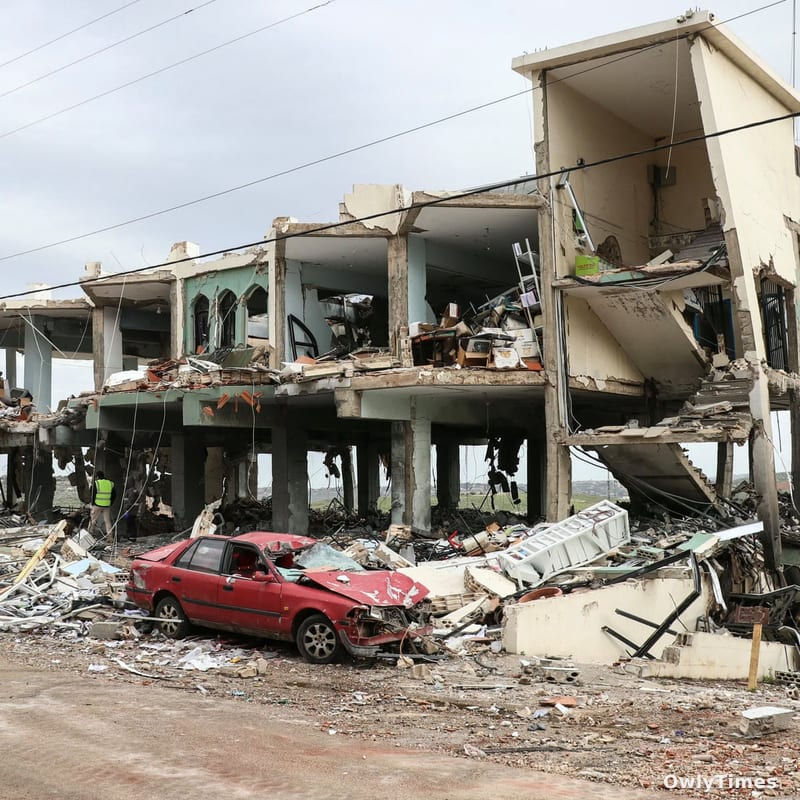
The immediate aftermath of Friday night’s strike in Burj Qalaouiyah, Lebanon, which claimed the lives of 12 medical workers, is a stark tragedy. However, focusing solely on the death toll obscures a deeply concerning pattern: a systematic targeting of healthcare infrastructure and personnel during the current conflict between Israel and Hezbollah. While headlines report escalating violence, the specific and repeated attacks on medical facilities demand a closer examination of how – and whether – the principles of medical neutrality are being upheld in this war, and what this portends for future conflicts. This isn’t simply about counting casualties; it’s about the deliberate dismantling of a civilian population’s ability to receive care, even during wartime.
Drawn from The Guardian.
The Lebanese Ministry of Health has stated that the strike on the primary healthcare facility in Burj Qalaouiyah “violated all international humanitarian laws.” This assessment isn’t hyperbole. International law explicitly protects medical personnel and facilities, recognizing their essential role in alleviating suffering regardless of political alignment. Yet, Lebanese authorities report at least 37 attacks on healthcare workers and facilities since hostilities began on March 2nd, impacting not only hospitals but also the state civil defence and the Lebanese Red Cross. This brings the total number of healthcare staff killed in the last 12 days to 31, adding to the already devastating toll of 826 Lebanese deaths from Israeli strikes and the displacement of approximately one million people. The sheer scale of these numbers – a 300% increase in healthcare worker fatalities in just over a week – should be profoundly alarming.
The response from the Israeli military, delivered by spokesperson Avichay Adraee, immediately shifted the narrative, accusing Hezbollah of using ambulances and medical facilities for military purposes. This claim, presented without supporting evidence, echoes accusations made during the 2024 Israel-Hezbollah war, when 408 healthcare workers were killed. It’s a tactic that raises immediate red flags, particularly given the recent findings of the International Criminal Court regarding similar claims made during the siege of Gaza. A top prosecutor stated that allegations of Hamas fighters operating within hospitals were “grossly exaggerated,” suggesting a pattern of unsubstantiated accusations used to justify attacks on protected sites. The Lebanese Ministry of Health vehemently denied the current accusations, labeling them a “justification for the crimes it is committing against humanity.”
This isn’t a new dynamic. A UN commission of inquiry previously accused Israel of war crimes for attacks on Gaza’s healthcare facilities during a two-year conflict. The concern, as voiced by humanitarian groups, is that the accusation against Hezbollah serves as a pre-emptive justification for further attacks, effectively eroding the already fragile protection afforded to medical personnel. The methodology here is crucial to understand: by framing healthcare facilities as legitimate military targets, the threshold for acceptable collateral damage is effectively lowered. This isn’t about preventing legitimate military activity; it’s about creating a legal and rhetorical space for unchecked aggression against civilian infrastructure.
Limitations to Consider
It’s important to acknowledge the inherent difficulties in verifying claims made during active conflict. Access to affected areas is often restricted, and independent investigations are hampered by security concerns. While the Lebanese Ministry of Health and organizations like the World Health Organization – whose head, Tedros Adhanom Ghebreyesus, called the recent deaths a “tragic development” – provide crucial data, a fully independent assessment remains elusive. Furthermore, determining the extent to which Hezbollah may be operating near medical facilities, even if not within them, is a complex undertaking. However, proximity does not negate the protections afforded to medical personnel under international law. The principle of proportionality still applies, requiring that any military advantage gained from an attack must outweigh the anticipated harm to civilians and civilian infrastructure.
Looking ahead, the international community must prioritize independent investigations into these attacks. Simply condemning violence is insufficient. We need a clear and transparent accounting of the circumstances surrounding each incident, including a rigorous assessment of whether international humanitarian law was violated. More importantly, the focus must shift to preventing future attacks. This requires not only diplomatic pressure on all parties involved but also a renewed commitment to upholding the principles of medical neutrality. Will the international community demand accountability for these alleged violations, or will the erosion of medical protection continue, setting a dangerous precedent for future conflicts? The answer to that question will determine whether healthcare remains a sanctuary, or simply another casualty of war.





