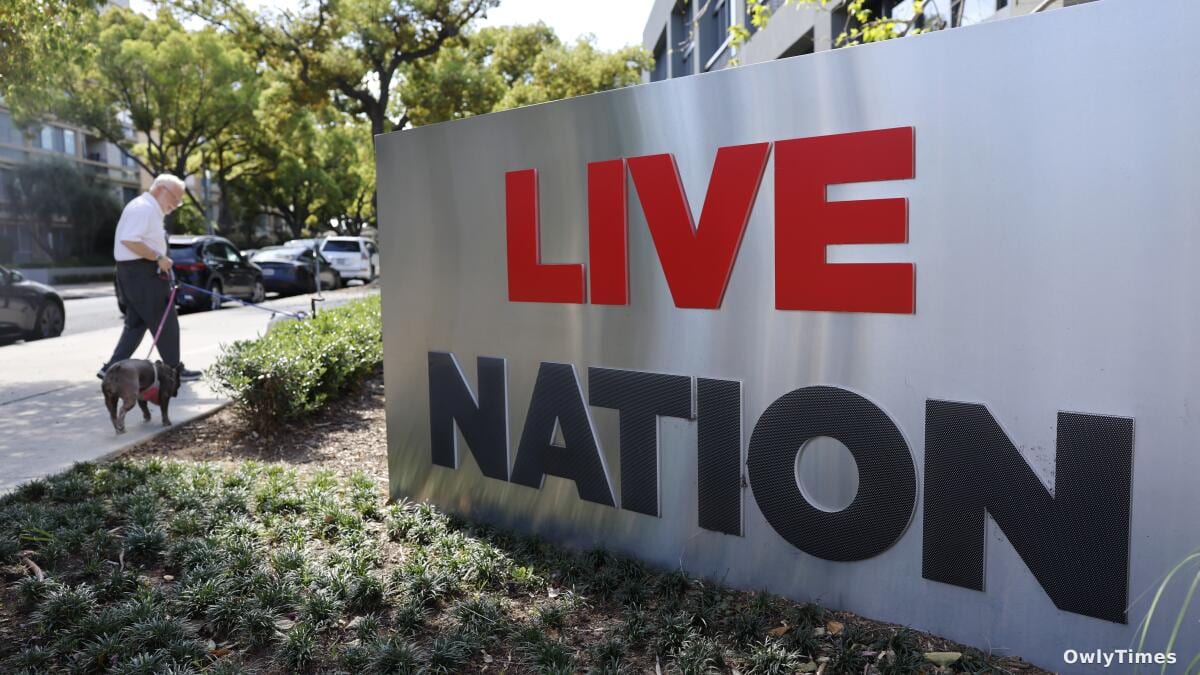

$35 million is the price tag Nicholas Rumanes has placed on his tenure at Live Nation, but the financial implications of his allegations reach far beyond a single wrongful termination suit. Filed Thursday in Los Angeles County Superior Court, the lawsuit claims the world’s largest live entertainment company engaged in systemic financial misrepresentation. By alleging that he was “fraudulently induced” to leave a lucrative real estate investment trust role in 2022 to join the Beverly Hills-based firm, Rumanes has shifted the focus from the company's market dominance to the integrity of its internal accounting.
A Culture of Deception or Strategic Growth?
Follow the money within the complaint, and a narrative of opaque financial reporting emerges. Rumanes, who served as executive vice president of development and business practice, contends that the company’s “basic business model” relied on inflating projected revenues across various venue development projects. He argues that this pattern of exaggeration was not merely an isolated error but a “company-wide pattern of financial misrepresentation.”
The lawsuit alleges that Live Nation deliberately bypassed mandatory internal checks and balances, operating instead through a centralized, opaque structure. This assertion strikes at the heart of corporate governance standards, specifically those requiring independent financial auditing and transparency. If these claims of “misleading disclosures” are substantiated, they suggest that the company’s reported growth metrics may not reflect the operational reality of its diverse portfolio.
Regulatory History and the Monopoly Problem
The timing of this litigation intensifies the pressure on Live Nation’s executive leadership. This suit arrives exactly one week after a federal jury in Manhattan determined that the company and its Ticketmaster subsidiary maintained a monopoly over major concert venues, currently controlling 86% of the concert market. The sheer scale of this market control provides the backdrop for Rumanes’ allegations, suggesting that the firm’s alleged “culture of deception” may have been a tool to protect that dominance.
This is not the first time the company has faced accusations of subverting regulatory oversight. In 2010, the merger between Live Nation and Ticketmaster was finalized under a consent decree that prohibited the firm from coercing venues into using Ticketmaster services. The Justice Department found in 2019 that the company had repeatedly breached this agreement, leading to an extension of the decree. The pattern of regulatory friction suggests that the company’s internal controls have been a point of contention for federal authorities for over a decade.
What This Means for Your Wallet
For the individual investor or consumer, this lawsuit represents a significant red flag regarding the reliability of the company’s financial disclosures. When an executive alleges that the very foundation of business development relies on inflated projections, it creates uncertainty regarding the company’s long-term valuation and profit margins.
Because representatives for Live Nation were not immediately available for comment, the company’s official defense remains unstated. The next reading of the company’s public financial filings and any subsequent responses to these allegations in court will show whether these claims are isolated grievances or evidence of a broader, systemic failure in the company’s accounting practices. Investors should monitor how these legal pressures impact the company’s ability to navigate the existing federal consent decree, as further scrutiny could lead to increased operational costs or additional regulatory penalties.





