
The air in Istanbul hung thick with disbelief last week, a silent question mark over Liverpool’s Champions League campaign. Not because of the 1-0 defeat to Galatasaray – a single goal, even away from home, isn’t insurmountable – but because of how it happened. A listless performance, a midfield overrun, an attack sputtering into silence. It wasn’t just a loss; it was a symptom. And as the round of 16 reaches its crescendo this week, Liverpool’s struggle isn’t an isolated incident. It’s a flashing warning sign for the Premier League, a league that once swaggered into European competition now finding itself humbled, outmaneuvered, and facing a potential collective implosion. This isn’t just about football scores; it’s about a shifting power dynamic, a reckoning with inflated expectations, and a league grappling with its own success.
The numbers are stark. Heading into this week’s second legs, not a single English club secured a victory in their first match. Chelsea, Manchester City, and Tottenham Hotspur are each staring down a three-goal deficit, a chasm that feels less like a challenge and more like a preordained fate. While Bayern Munich appears to have already sealed their passage after a dominant 6-1 win over Atalanta, and Arsenal remains cautiously optimistic after a 1-1 draw with Bayer Leverkusen, the English contingent is reeling. This isn’t the usual narrative of Premier League dominance; it’s a reversal, a humbling reminder that financial might doesn’t automatically translate to on-field brilliance. The six English clubs breezed through the group stages, but the knockout rounds have exposed a fragility, a tactical naiveté, and a worrying lack of adaptability.
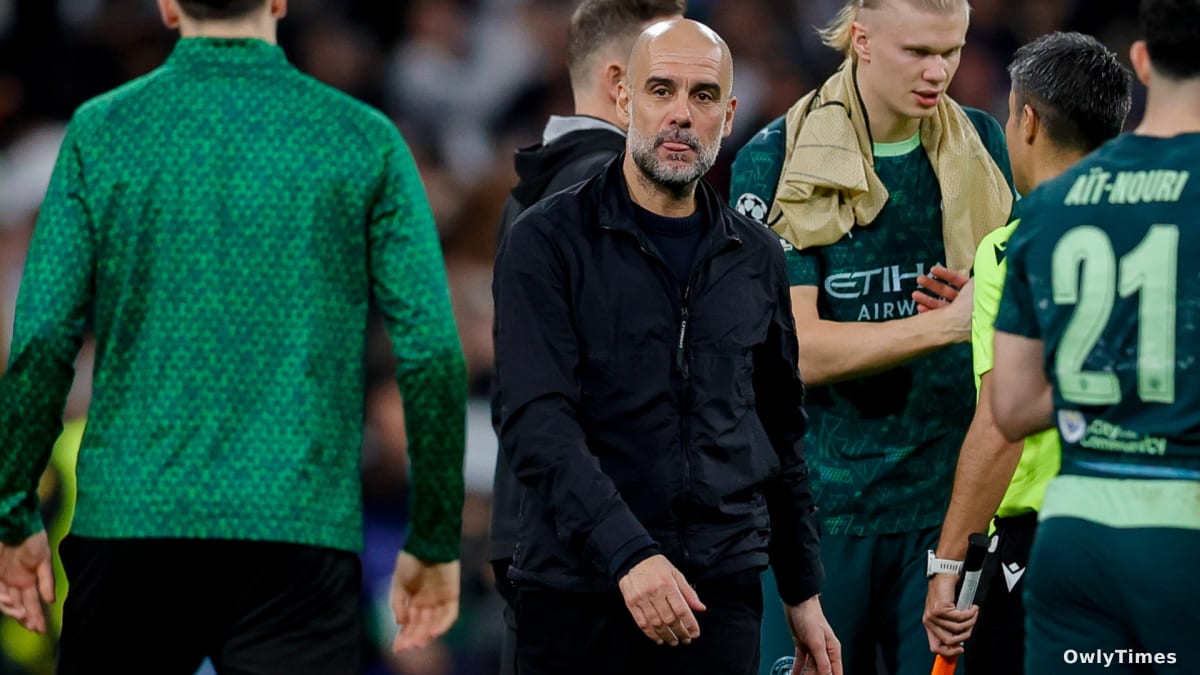
The situation is particularly dire for Chelsea. The arrival of new ownership hasn’t ushered in a new era of success, but rather a period of chaotic spending and inconsistent performances. The injury to Reece James, as noted by CBS Sports’ Chuck Booth, feels like a final nail in the coffin, stripping away one of their few reliable performers. Manchester City, despite the immense talent at Pep Guardiola’s disposal, are facing a similar crisis of confidence. Erling Haaland’s recent dip in form is a major concern, and Real Madrid, a team steeped in Champions League history, exposed their vulnerabilities in the first leg. The question isn’t just whether City can score enough goals to overcome the deficit, but whether they can rediscover the relentless intensity that defined their treble-winning campaign. Tottenham Hotspur, meanwhile, seem almost relieved to have a distraction from their domestic struggles, but even their most optimistic fans wouldn’t bet on a comeback against Atletico Madrid.
Based on the original CBS Sports report.
But the Premier League’s woes aren’t simply about individual team failures. It’s about a broader trend. The financial gap that once allowed English clubs to hoover up the best talent is closing. Clubs like Paris Saint-Germain and Real Madrid possess comparable financial resources and are increasingly adept at attracting top players. More importantly, they’re developing sophisticated tactical approaches that can exploit the weaknesses of Premier League teams. As James Benge points out, Barcelona aren’t going to change their approach to accommodate Newcastle’s strengths, and that’s precisely the problem. English teams have become predictable, reliant on physicality and pace, while their European counterparts are prioritizing tactical flexibility and intelligent pressing. The Premier League’s emphasis on high-intensity, end-to-end football is becoming a liability, leaving teams exposed at the back and vulnerable to counter-attacks.
Beyond the immediate drama of this week’s matches, the bigger story is the potential for a fundamental shift in the European football landscape. The dominance of the Premier League, fueled by lucrative television deals and a global fanbase, has been a defining feature of the past decade. But that dominance is now under threat. The Champions League is becoming more competitive, more unpredictable, and less susceptible to the financial power of a single league. The fact that teams like Bodo/Glimt continue their historic run, facing Sporting Lisbon, speaks to a broadening of the competition, a democratization of opportunity. The question now isn’t just which teams will reach the quarterfinals, but whether the Premier League can adapt and regain its competitive edge. Will clubs invest in tactical innovation? Will they prioritize squad depth over star power? Will they be willing to embrace a more nuanced and sophisticated approach to the game? The answers to these questions will determine whether the Premier League remains a force in European football, or fades into the background as a league living on past glories.

