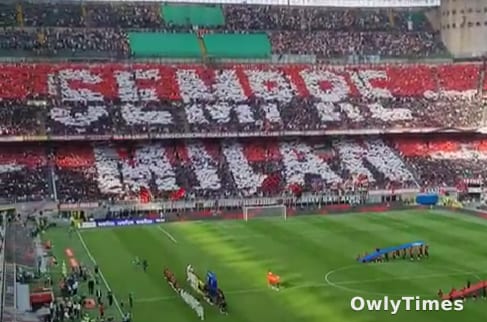

The air at the San Siro was thick with more than just the usual tension of a high-stakes match; it was heavy with the sound of collective frustration. As Atalanta walked away with a 2-3 victory, the deafening boos echoing through the stands signaled a breaking point for Milan. For a club of such stature, being caught in a Champions League "bagarre"—a chaotic, crowded fight for European qualification—is a stark departure from the prestige associated with the Rossoneri. The team’s inability to maintain defensive composure, underscored by a disastrous performance from the now-banned Leao, has left their continental aspirations hanging by a thread.
The Margin of Chaos in Parma
While Milan suffered under the weight of their own expectations, the narrative of the weekend was rewritten in the final, agonizing seconds of other fixtures. Donyell Malen proved to be the ultimate disruptor, single-handedly turning Parma upside down with a decisive goal at minute 101. This isn't just a statistical anomaly; it is a testament to the sheer volatility currently gripping the league. Across the table, Roma echoed this frantic energy, securing their own 2-3 comeback victory in the dying moments of their clash. These late-game heroics have pushed Roma level with Milan, creating a pressurized environment where every second of injury time carries the weight of a season’s worth of effort.
Inter’s Engine Room and the Quest for the Double
Amidst the tactical madness, Inter remains the standard-bearer for structural stability. Their pursuit of the "double" is being fueled by a unique reliance on their midfield, with an impressive 29% of their 113 total goals scored by attacking or central midfielders. This distribution of offensive responsibility is a fascinating case study in modern squad management; even as Zielinski and Micki find the back of the net, the fact that only Frattesi remains scoreless among the primary rotation shows a relentless, multi-faceted attack. As they prepare for the Coppa Italia final against Lazio this Wednesday, Inter’s reliance on these engine-room creators provides a sharp contrast to the reliance on individual star power seen elsewhere.
Juve and the Pressure of Renewal
Beyond the immediate scorelines, the power dynamics at Juve are shifting under the weight of Spalletti’s clear demands. With the coach publicly pushing for the renewal of Vlahovic—insisting that the club "can't play without somebody like him"—the administrative side of the game is colliding with the sporting reality. While Elkann has reached out from Taormina to offer reassurances, the necessity of an operative agreement with Comolli looms large. The club’s internal focus on securing its core assets, alongside potential reinforcements, highlights the high-stakes chess match occurring in the front offices of Italian football’s elite.
The Historic Shift in the European Race
As the dust settles, the broader landscape of the sport is undergoing a tectonic shift. Como has achieved a historic feat, marking their first-ever entry into European competition, a milestone that serves as a reminder of the sport's capacity for renewal. Meanwhile, Napoli stands on the precipice of securing their own Champions League qualification with just three points, bolstered by the return of Di Lorenzo to the starting XI after a 100-day absence. Whether the league’s traditional giants can stabilize or if the current volatility continues will be measured by the upcoming points tally of those fighting for the final European spots, a metric that will dictate the hierarchy of the sport for the next calendar year.