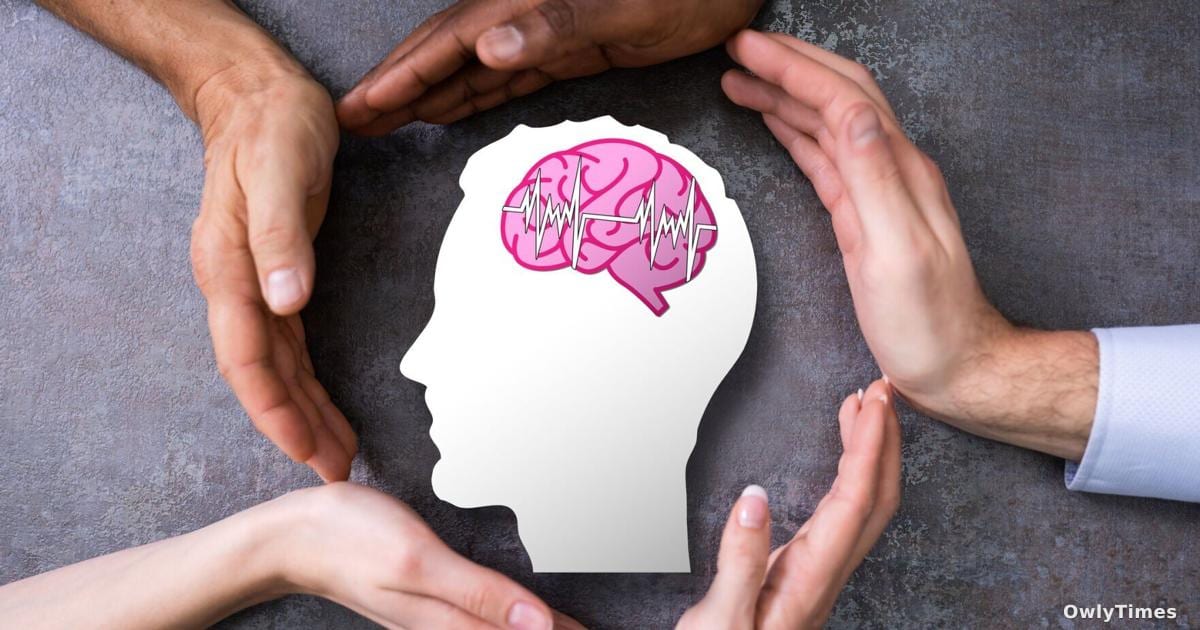

Defining brain health has long been a pursuit of simple, prescriptive lists—prioritize sleep, maintain a social circle, and stay physically active. However, for those navigating the clinical reality of cognitive disorders, these broad lifestyle pillars often fail to capture the complexity of the human experience. As medicine enters an era of precise, protein-targeted interventions, the fundamental question shifts from how we maintain a "healthy" brain to how we identify and intervene in the biological cascades that lead to irreversible decline.
The Biology of the Inflection Point
At the Ochsner Neuroscience Institute in New Orleans, James Rini, a behavioral neurologist specializing in memory and cognitive disorders, suggests that true brain health is rooted in engagement. "I think brain health is the ability to stay engaged," Rini said. "It's how you as a human are part of a greater whole—not just your physical environment, but your personal environments."
This perspective is crucial because it bridges the gap between patient quality of life and the clinical reality of Alzheimer's disease. The scientific community is currently grappling with the mechanics of amyloid scar tissue, an abnormally folded protein that accumulates in everyone’s brain over time. While the presence of amyloid is a natural byproduct of aging, the pathology of Alzheimer’s occurs when this buildup overwhelms the brain's drainage system, triggering the development of toxic tau proteins that ultimately cause neurons to die.
Decoding the Headlines on Infusion Therapy
Recent headlines often highlight new infusion therapies—specifically lecanemab and donanemab—as potential "cures" for cognitive decline. In reality, these treatments do not restore lost function or regrow damaged neurons. Instead, they represent a sophisticated "upstream" strategy. By administering lecanemab every two weeks or donanemab every four weeks, clinicians target and clear amyloid plaques before they induce the cascading failure of tau-driven neuron death.
The clinical reality is more sobering: "Once major neurological losses occurred, there is, at this time, no way to reverse it," Rini noted. "We have no therapies that can regrow neurons." The efficacy of these treatments is strictly tied to timing; they are effective at slowing the progression of decline only if initiated during the earliest stages of the disease.
The Regional Challenge in Louisiana
The urgency of this research is particularly acute in Louisiana, which currently ranks among the worst states in the U.S. for cognitive decline. Data indicates that over 95,000 people in the state are currently living with Alzheimer's dementia, a figure representing at least one in eight adults.
Dr. Karen Blessey, a primary care physician for Ochsner Health, emphasizes that we are at an "inflection point in neurocognitive care." The strain on the system is expected to intensify, with Rini projecting a 20% increase in cases over the next five years as the baby boomer generation ages. Rini is currently working to build a more robust system within Ochsner to streamline patients into appropriate treatment trials, hoping to transform the state’s current standing into a hub for cognitive research solutions.
Limitations and Future Directions
A significant hurdle remains the lack of standardized, objective screening. While tools like Lawton’s Instrumental Activities of Daily Living Scale help clinicians assess a patient’s ability to manage complex tasks like finances or cooking, there are currently no universal medical guidelines on exactly when individuals should begin screening for dementia. Blessey suggests that, for now, identification remains largely dependent on self-reporting or clinician observation, noting that definitive screening guidelines may not emerge for another five to 10 years.
Future research efforts will focus on refining how these biomarkers are identified before symptoms manifest, as well as addressing the "modifiable risk factors" like sleep hygiene and stress management. The next reading of the state's prevalence statistics and the ongoing success rate of patient enrollment in Ochsner’s clinical trials will determine whether these new therapeutic interventions can successfully flatten the projected curve of Alzheimer's cases in Louisiana.





