
Is our obsession with reality television finally reaching its "uncanny valley" moment, where the boundary between human connection and algorithmic performance has become impossible to distinguish?
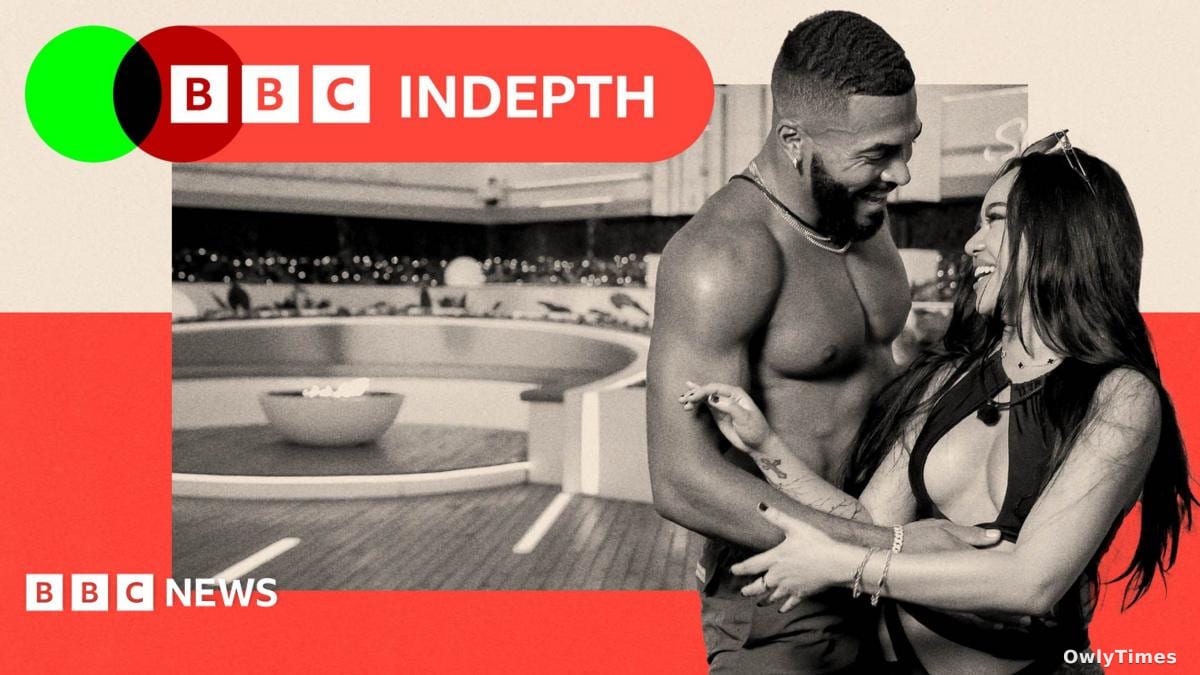
The real story here isn’t just the shifting interpersonal dynamics inside a reality show villa—it’s the collision between a decade-old format and the brutal reality of the digital age. As the latest series of Love Island UK approaches its finale this Monday, July 27, the show finds itself caught between two competing narratives: a societal evolution in dating norms and a growing, darker scrutiny of the fame factory itself.
According to the BBC, this season marked a significant structural pivot, with the show’s producers finally allowing women to make the first choice in couplings. Sociologist Alicia Denby of Manchester Metropolitan University frames this as a mirror to modern dating, where women are increasingly comfortable initiating contact. Yet, the data suggests the "progress" is messy. While the show remains a powerhouse for the 16 to 34-year-old demographic, The Guardian reports that viewing figures for the 2026 launch have settled at a more modest 600,000, a far cry from the show’s peak of five million.
The disconnect between the villa's "progressive" rules and the reality of the contestants' experiences is stark. While the show attempts to modernize, former contestants like Malin Andersson and Luis Morrison have publicly criticized the production as "toxic" and "superficial," alleging that producers actively meddle to manufacture drama. This criticism arrives alongside a new Amazon Prime documentary, The Curse of Love Island, which examines the deaths of former participants Mike Thalassitis, Sophie Gradon, and presenter Caroline Flack. As The Guardian notes, while the show has since implemented increased duty-of-care measures—including 14 months of post-show therapy—critics argue that the root problem, the "curse of overnight fame," remains unaddressed by the format.
The instability of the show's ecosystem extends to its leadership. Host Maya Jama has spent recent weeks batting away persistent tabloid rumors regarding her future with the franchise. In an interview with Deadline, Jama confirmed that her participation is decided on a series-by-series basis, explicitly dismissing separate rumors that she is slated to replace Emma Willis on The Voice UK. For the audience, this creates a sense of perpetual uncertainty; the face of the brand is constantly in flux, much like the relationships it purports to foster.
Ultimately, Love Island functions like a high-stakes tech platform: it promises to optimize the "user experience" of love, yet it struggles to handle the unintended consequences of its own design. Whether it is the pressure of the "Hideaway" room—where contestants like Elicia Bailey faced public vitriol for taking a non-traditional approach—or the psychological toll of being distilled into a reductive "catchphrase" like "Muggy Mike," the show acts as a petri dish for the same social media toxicity that plagues our everyday lives.
We are watching the end of an era where we can pretend these shows are just entertainment. The next signal of where this industry is heading will arrive on July 30, when U.S. audiences on Hulu and Disney+ finally catch up to the UK finale. Keep an eye on the post-show engagement metrics; if the audience continues to prioritize the "curse" narrative over the actual romantic arcs, we can expect a fundamental shift in how networks package human intimacy. Reality TV is currently undergoing a painful software update, and it is far from certain that the user base will like the new interface.