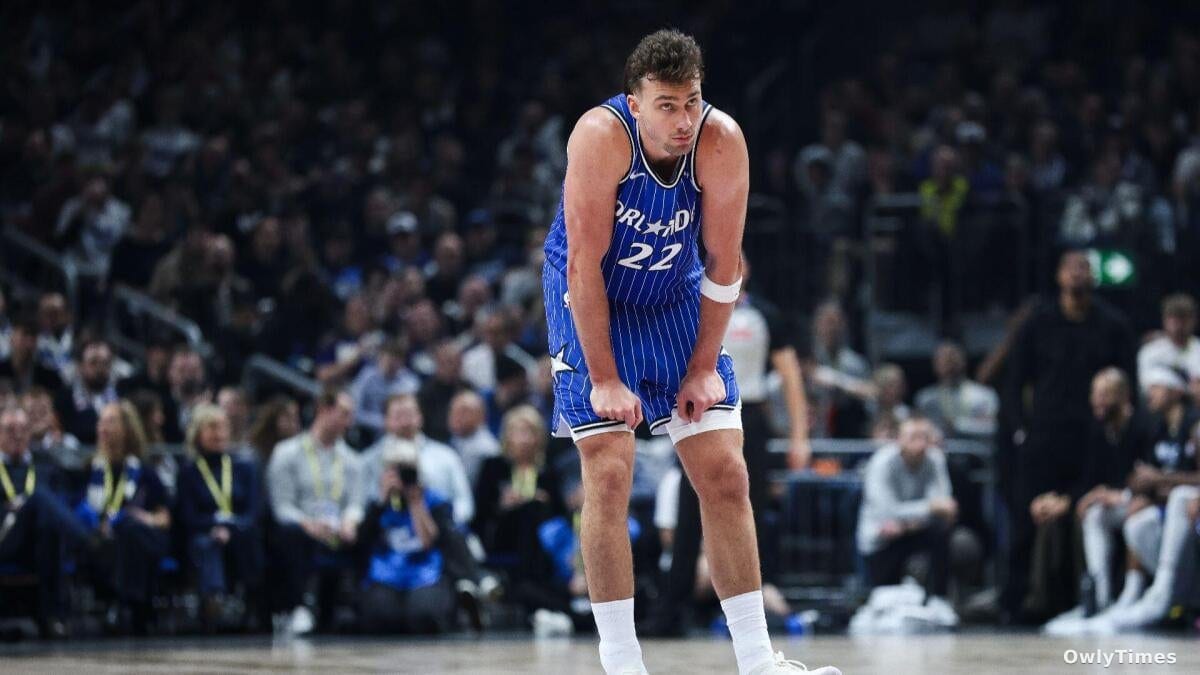

The air in the Amway Center felt different even before the announcement. It wasn’t the usual pre-All-Star break buzz, but a quiet apprehension that settled over the few fans lingering after Franz Wagner’s brief return to the court. Two games. That’s all Orlando Magic fans got before the familiar ache of uncertainty returned, confirmed this week with the news of Wagner’s indefinite sidelining due to a recurring high left ankle sprain. It’s a blow, certainly, but it’s also a stark illustration of a pattern emerging in Orlando – a pattern that’s forcing a difficult question about the very foundation of their young core.
The Fragility of Potential in a Physical Game
The Magic envisioned a different narrative this season. After a promising playoff run last year, finishing with a 47-35 record and a hard-fought seven-game series against the Cleveland Cavaliers, expectations were rising. They weren’t just aiming for the play-in tournament; whispers of challenging the Eastern Conference elite were growing louder. But the reality has been a frustrating slide into mediocrity, currently sitting with the league’s 19th-ranked offense and 14th-ranked defense. The numbers aren’t just disappointing; they’re a warning sign. A team built on athleticism and potential is being consistently undermined by the brutal physicality of the NBA. Wagner’s injury is the latest, but far from isolated. Paolo Banchero was limited to 46 games last season, contributing to a 41-41 finish. Jalen Suggs has battled limitations for two consecutive years. This isn’t bad luck; it’s a systemic issue. The Magic are building a team predicated on players who need to be on the court to reach their ceiling, and they simply aren’t staying healthy.
Reporting from CBS Sports informs this analysis.
Beyond the Box Score: A Chemistry Question?
The 12-13 record the Magic have posted during Wagner’s absences this season is a telling statistic, but it doesn’t tell the whole story. Even when both Wagner and Banchero are healthy, the team struggles to find consistent success, boasting a mere 9-9 record in the 18 games they’ve played together. This isn’t about individual talent – both players are capable of averaging over 25 points per game – it’s about synergy. The question isn’t just can they play together, but should they? Last season, despite their individual scoring prowess, neither Banchero nor Wagner shot efficiently, hinting at a potential conflict in usage and offensive flow. The Magic organization is understandably hesitant to even entertain the idea of disrupting their carefully constructed core, but the data suggests a deeper issue than simply waiting for everyone to get healthy. It’s a tension between individual brilliance and collective cohesion, a struggle many young teams face as they attempt to transition from promising potential to legitimate contention.
The Eastern Conference’s Shifting Landscape
Orlando’s struggles aren’t happening in a vacuum. The Eastern Conference has become increasingly competitive, with teams like Boston, Milwaukee, and Cleveland establishing themselves as clear contenders. The Magic were supposed to be part of that next wave, alongside teams like Indiana and Miami. But while those teams have found ways to navigate injuries and build consistent identities, Orlando remains stuck in a frustrating cycle of promise and disappointment. Their current position, clinging to the No. 7 seed, feels precarious. Making the playoffs is no longer a guarantee, and even if they do, a repeat of last year’s first-round exit against the Celtics feels likely. The league is witnessing a shift in power, and the Magic are in danger of being left behind, not because of a lack of talent, but because of an inability to stay on the court.
What This Means for the Future of Orlando Basketball
The Magic’s current predicament isn’t just about this season; it’s about the long-term viability of their core. The organization faces a critical decision: continue to invest in a duo that struggles to stay healthy and find consistent chemistry, or explore alternative paths that prioritize durability and complementary skillsets? The re-evaluation of Wagner’s injury in three weeks will be a pivotal moment, but the real evaluation needs to extend far beyond his ankle. Will the Magic be willing to confront the possibility that their two brightest stars might be better served apart? Will they prioritize building a team that can withstand the physical demands of the NBA, even if it means sacrificing some individual scoring potential? The answer to these questions will define the future of Orlando basketball, and the league will be watching closely to see if they can break free from this cycle of fragility and finally realize their potential.

