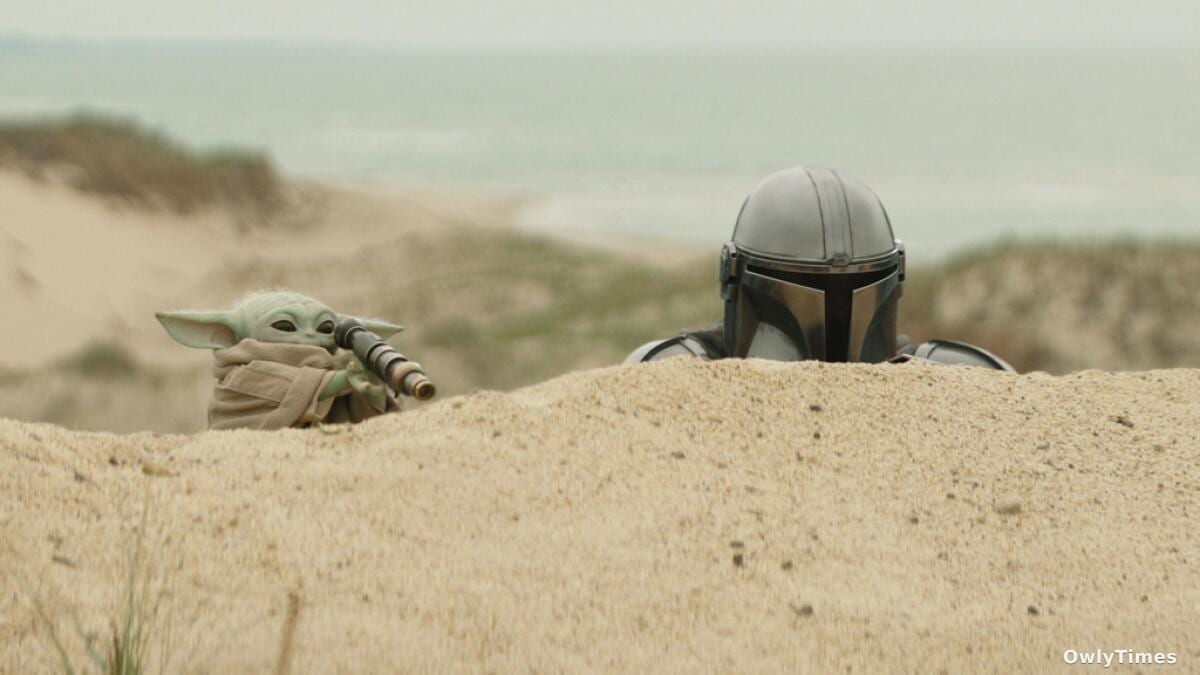

The desert sands of Tatooine have long been a sanctuary for the imagination, but for Walt Disney Co., the last seven years in the theater business have felt less like a galaxy far, far away and more like a long, arduous trek through the Dune Sea. When the lights dimmed for the opening of “The Mandalorian and Grogu,” the stakes were not merely about ticket stubs; they were about reclaiming the cultural dominance of the most storied franchise in cinematic history. According to the Los Angeles Times report, the film is currently tracking to earn $102 million in the U.S. and Canada over the Memorial Day weekend, a figure that provides a much-needed pulse check for the brand’s theatrical viability.
A Calculated Return to the Big Screen
The transition from the small screen to the multiplex is never a guaranteed flight. This latest installment is a direct evolution of the streaming series that debuted on Disney+ in 2019, marking a pivot for the San Francisco-based Lucasfilm. Having spent years navigating a landscape of mixed reviews for various streaming entries, the studio needed a win that felt both nostalgic and necessary. While the $82 million Friday-Sunday haul—as reported by Comscore—positions it as the year’s third-highest domestic opening, it lands in a complicated space. It is a solid performance, yet it mirrors the $103 million debut of 2018’s “Solo: A Star Wars Story,” a film famously remembered for underperforming against industry expectations.
Beyond the Box Office Ledger
For a conglomerate like Disney, the financial story is never contained to a single weekend spreadsheet. The film played in 4,300 theaters, but its true utility lies in its ability to anchor a massive, interconnected ecosystem. The company is leaning on the film to drive engagement across the Disney+ platform, fuel collaborations with Fortnite, and sustain the momentum of their theme parks. With characters from the film already integrated into Star Wars: Galaxy’s Edge, the movie serves as a high-budget marketing engine for the Millennium Falcon: Smugglers Run ride in both Anaheim and Orlando. This strategy highlights a shift where the film is not the end product, but the centerpiece of a retail machine that generates more than $1 billion in annual sales.
The Cost of Staying Local
Perhaps the most unique narrative thread in this production is its physical footprint. Director Jon Favreau has steered the franchise into new territory by making “The Mandalorian and Grogu” the first Star Wars film to be produced entirely in Los Angeles. By leveraging state tax credits, the production has tethered itself to the California economy, a strategic move that reflects the evolving realities of high-stakes filmmaking. With stars like Pedro Pascal, Sigourney Weaver, and Jeremy Allen White headlining, the film is tasked with keeping the franchise relevant as the studio looks toward the upcoming 50th anniversary of the original saga.
The Metric That Defines Success
The industry now waits to see if this momentum can sustain itself throughout the summer season. While the film faced minimal competition this holiday weekend—with the horror film “Obsession” trailing at $22.4 million—the true test of the franchise’s health lies in its longevity. The next reading of the film's domestic and global gross will determine whether the audience's appetite for theatrical Star Wars remains as voracious as it was during the height of the Skywalker era, or if the streaming-first strategy has permanently altered the way fans consume this galaxy.