
The buzzer sounds, the crowd noise fades, and for a generation of athletes, the question has shifted from "What’s next after the game?" to "How do I own the story?" For Carmelo Anthony, the transition from the hardwood to the studio is no longer just about lending a famous face to a project. By securing a strategic partnership between his production company, Creative 7, and the tech-forward Utopai Studios, Anthony is betting that the future of athlete-driven media lies in the marriage of human experience and silicon-based efficiency.
Replacing the Gatekeepers with Algorithms
The traditional Hollywood development pipeline is notorious for its inertia, often diluting the vision of creators before a single frame is shot. Anthony and his longtime business partner and Creative 7 co-founder Asani Swann are aiming to bypass these legacy hurdles. By integrating PAI, Utopai Studios’ proprietary cinematic storytelling AI system, the partnership promises to grant athletes something that has historically been elusive: direct ownership and creative control.
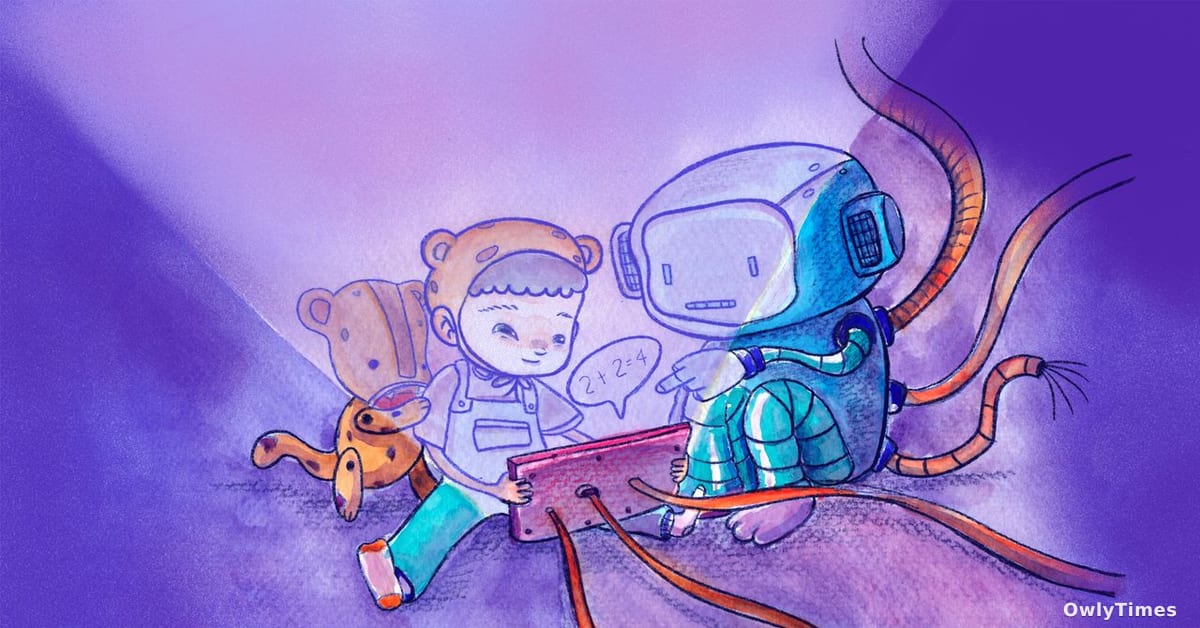
This is not merely an attempt to speed up production timelines; it is a fundamental shift in how intellectual property is built. According to Cecilia Shen, co-founder and CEO of Utopai Studios, the goal is to build a "new studio system for the AI era." By embedding AI directly into professional entertainment workflows—covering everything from scene planning and continuity management to localization—the studio aims to mirror traditional production structures while drastically increasing global scalability.
From Basketball Court to Digital Canvas
The first test of this infrastructure is already in the works: an anime-inspired project that draws from the defining moments of Anthony’s career. This isn't a documentary in the traditional sense, but a stylized exploration of the basketball world through an AI-native lens. It is a calculated move that follows Utopai’s recent successful collaboration with James Harden on an AI-animated short, signaling a broader trend where athletes are leveraging emerging tech to capture their own narratives in real-time.
For Anthony, the appeal of PAI lies in its ability to translate the visceral, human nature of sports into scalable franchises without the standard friction of traditional media development. Creative 7 has long focused on purpose-driven storytelling, aiming to amplify underrepresented voices and address themes of social activism and diversity. This partnership provides a technical backbone to those intentions, allowing for the rapid transformation of personal history into film, television, streaming, and animation.
Scaling the Global Narrative
Utopai Studios is not keeping this vision localized to a single region. The company is actively building an international footprint, with Utopai East in Korea and Utopai GmbH in Germany already established. This geographic expansion is essential for an AI-native entertainment company that views itself as a globally connected entity rather than a localized production house.
The industry is watching closely to see if this marriage of high-profile talent and AI infrastructure can truly deliver on its promise of preserving creative authorship. If successful, it could redefine the role of the modern athlete-producer from a mere participant in the entertainment ecosystem to a primary architect of it. The next reading of the production output and the rollout of these initial athlete-driven properties will show whether this "AI-era studio system" can successfully convert the raw, authentic drama of the sports world into a sustainable, scalable model of entertainment.