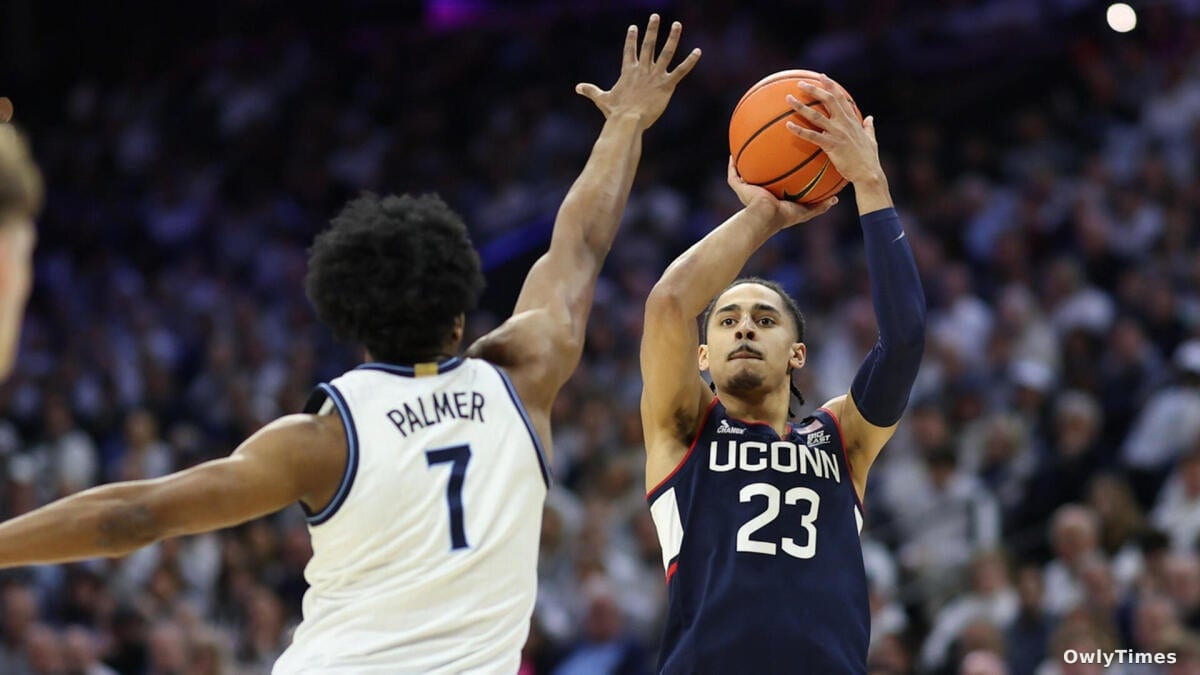

The air in Indianapolis already feels thick with possibility, even before the first buzzer sounds. Last year, the narrative was neat, almost suspiciously so: all four No. 1 seeds – Duke, Arizona, Michigan, and Florida – marched into the Final Four, a statistical anomaly only seen once before in March Madness history. It felt like a coronation, a validation of the established order. But the beauty, and the agonizing frustration, of this tournament lies in its inherent chaos. Because while the top seeds can dominate, history whispers a far more unpredictable story, one where giants fall and double-digit seeds become legends.
That’s the tension hanging over the 2026 tournament. Since the field expanded to 64 teams in 1985, there have been three years where no No. 1 seeds even reached the Final Four. Three years where bracket perfection was utterly impossible. This isn’t simply about luck; it’s about the increasing parity in college basketball, the rise of experienced coaching at mid-major programs, and the sheer, unpredictable energy of young athletes playing with nothing to lose. The 2026 tournament, despite the presence of blue bloods and highly touted teams, feels poised to deliver another dose of that delightful disruption.
Reporting from CBS Sports informs this analysis.
The reliance on predictive models is, understandably, skyrocketing. SportsLine’s computer model, which simulates each game 10,000 times, boasts an impressive track record. It correctly predicted UConn’s championship run two years ago, nailed 12 Sweet Sixteen teams last year, and even called all four Final Four teams in 2025. More impressively, since 2016, it’s identified 25 first-round upsets by double-digit seeds – a statistic that should give any bracket-buster hope. But even these sophisticated algorithms can’t account for the intangible: a hot shooting night, a questionable call, the sheer will of a team believing they’re destined for something more. The model’s success isn’t about eliminating uncertainty, but about quantifying it, providing a data-driven edge in a game fundamentally built on unpredictability.
Beyond the headlines about potential champions, several matchups in the West Region are already shaping up to be fascinating tests. The No. 8 vs. No. 9 clash between Villanova and Utah State is a prime example. Villanova, returning to the tournament for the first time since the retirement of legendary coach Jay Wright, carries a weight of expectation and a losing record against ranked opponents. Utah State, meanwhile, cruised to a 28-6 record without facing a single top-25 team. This disparity highlights a growing trend: the strength of schedule debate. Does a team’s record matter as much if it hasn’t been truly tested against elite competition? The Aggies’ reliance on interior scoring, ranking in the top 15 in both field goal percentage and two-point percentage, will be a key factor. Similarly, the 7 vs. 10 matchup between Miami and Missouri is a battle of programs enjoying recent success – Miami’s football team reached the national championship, while Missouri has made three tournament appearances under Dennis Gates. The game’s location in St. Louis effectively gives Missouri a home-court advantage, adding another layer of complexity.
And then there’s the story of programs seizing their moment. Arkansas, under new leadership with John Calipari, won the SEC tournament, making him the first coach to win the conference tournament with two different teams. Hawaii, a Big West champion, arrives as a No. 13 seed with a similar narrative of overcoming adversity. These aren’t just underdog stories; they’re reflections of a broader shift in college basketball, where coaching stability and program building are increasingly valued. Calipari’s move to Arkansas itself is a testament to this, a recognition that sustained success requires more than just recruiting five-star players.
The 2026 tournament isn’t just about picking winners and losers; it’s about recognizing the evolving landscape of college basketball. It’s about understanding that the dominance of No. 1 seeds is far from guaranteed, that mid-major programs are capable of stunning upsets, and that the human element – the passion, the resilience, the sheer unpredictability of March – will always be the defining characteristic of this uniquely captivating event. The question isn’t simply who will win, but how the established order will be challenged, and what new narratives will emerge from the chaos. Will the model’s predictions hold true, or will we witness another year of bracket-busting brilliance? That’s the story we’ll all be watching unfold.